6 min read

Meter Calibration Is Not a Sticker: What a Good Visit Leaves Behind

Meter Calibration Is Not a Sticker: What a Good Visit Leaves Behind

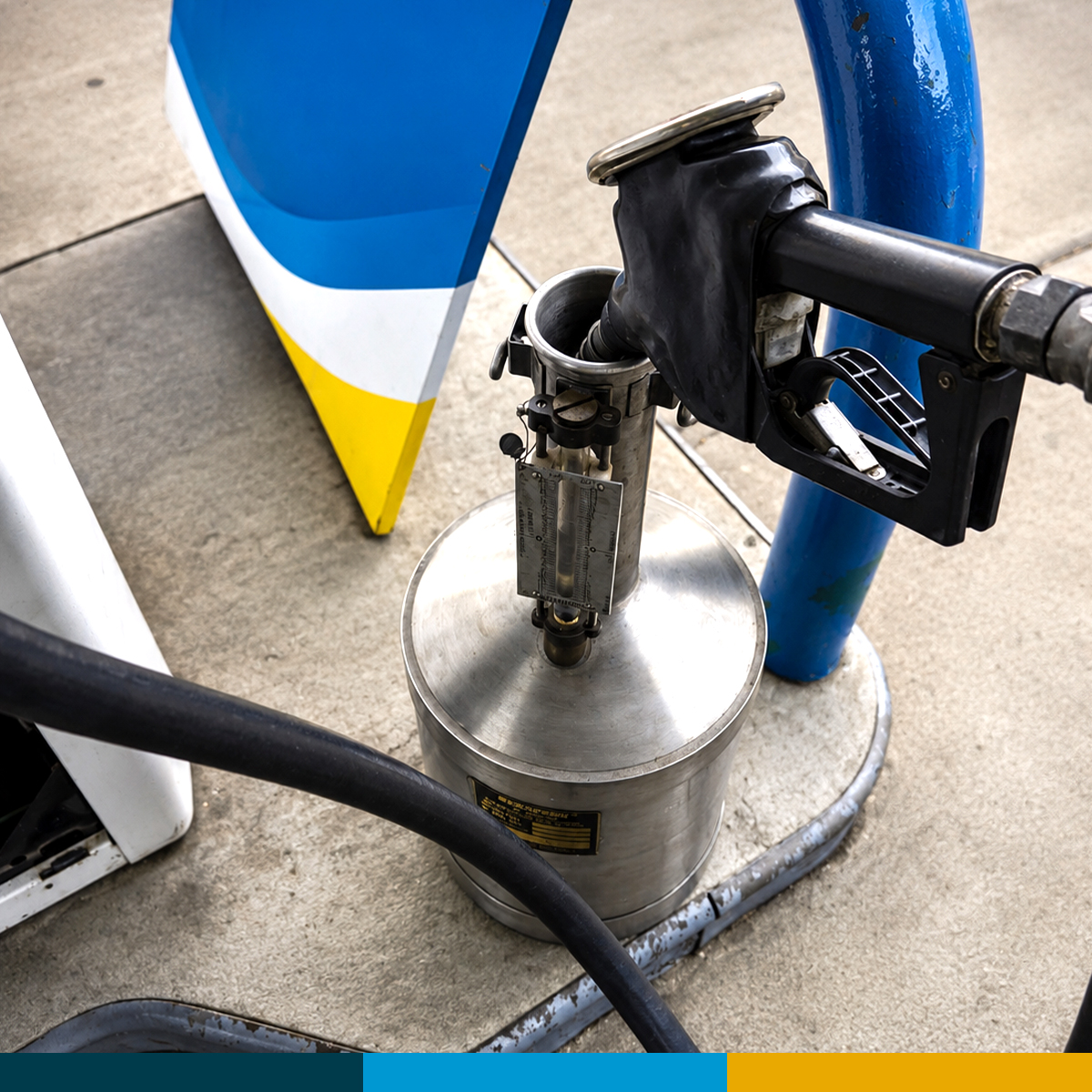
The state inspector's truck is parked at pump 4. He hangs his certified test measure on the nozzle, runs five gallons, and checks the reading. You watch from the window and realize you have no idea what that meter is going to say. It has been dispensing fuel every day for years, and nobody has looked at what it is actually measuring since the last time someone official made you.

Most equipment problems on a fuel site make noise. A sensor alarms. A dispenser goes dark. A customer complains. Meter drift does none of that. The fuel keeps flowing, the sale keeps ringing, and the numbers slide a little further from reality every month.

That quiet is exactly what makes it expensive. A meter that reads high is giving fuel away with every transaction. A meter that reads low is shorting your customers, and that is the version Weights and Measures exists to catch. Either direction, you are paying for the drift. You just have not seen the bill yet.

Here is what every convenience store operator should understand about how meters drift, what the state checks, and what a good calibration visit should leave behind. We covered what drift does to your revenue earlier this year. This time we are focused on the visit itself, and the record it should produce.

Key Takeaways

  • Meter drift is silent. Fuel keeps flowing and sales keep ringing while readings slide out of tolerance, so it never announces itself the way other equipment problems do.
  • Drift comes from mechanical wear in the meter itself, not the pulser, and high-volume positions drift fastest.
  • Weights and Measures testing can tag an out-of-tolerance meter out of service on the spot. Check local and state requirements for testing frequency and tolerances in your area.
  • Drift costs you either way. Over-dispensing gives fuel away invisibly, and under-dispensing risks violations and customer trust.
  • A proper calibration visit records as-found and as-left readings for every meter. That record, not the sticker, is what protects you during an inspection.

1. Why Meters Drift in the First Place

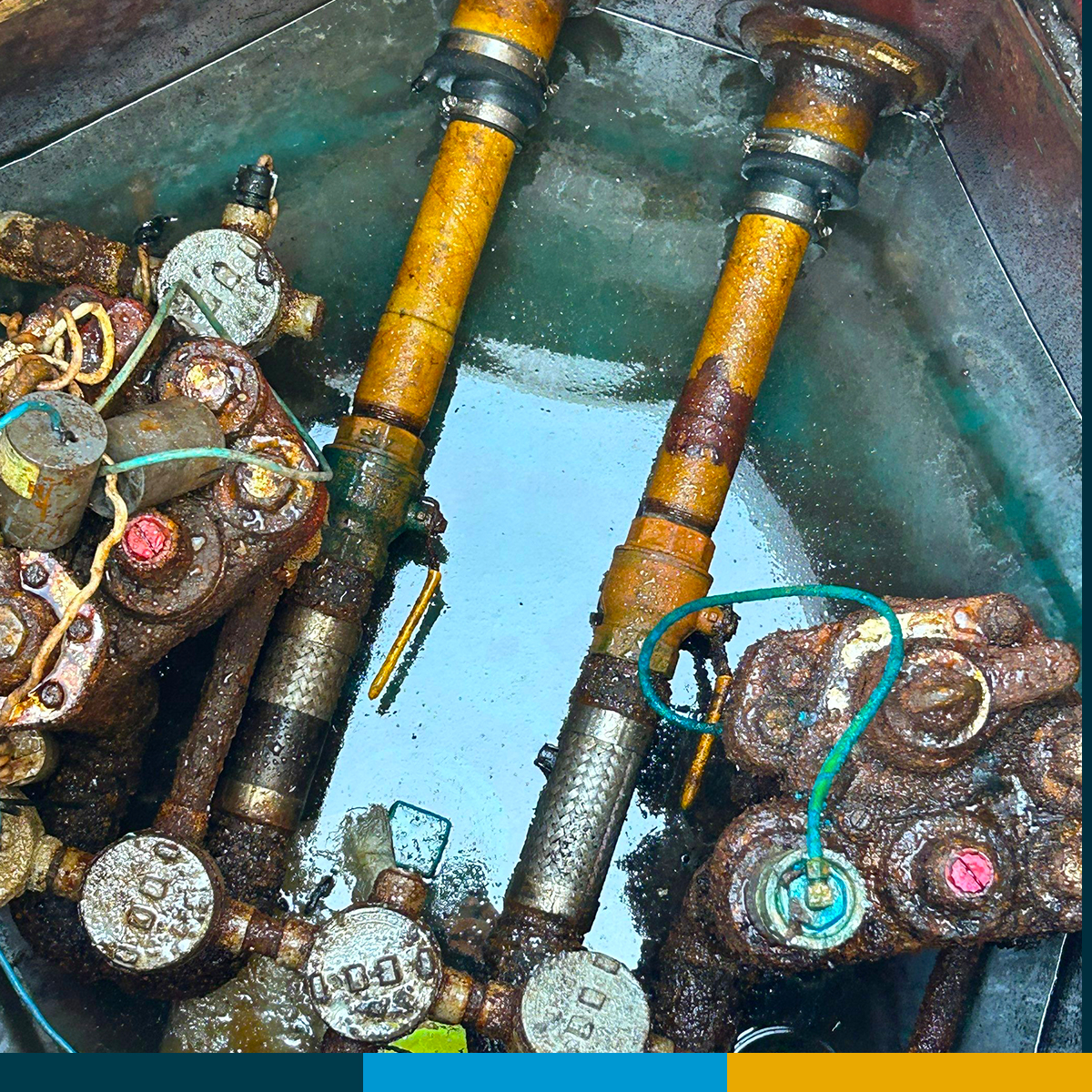
A fuel meter is a mechanical device. Fuel physically turns internal components with every gallon dispensed, and those components wear. As they wear, the relationship between the fuel that actually moves and the volume the meter reports shifts. That shift is drift.

Two things are worth getting straight, because they change how you think about repairs:

Drift comes from the meter, not the pulser. The pulser's job is to translate the meter's mechanical measurement into an electronic signal for the dispenser's electronics. It passes along whatever the meter tells it. When readings wander, the wear is in the meter itself.

Drift is normal, not a defect. Every meter drifts eventually. High-volume dispensers drift faster because they simply move more fuel. The question is never whether your meters will drift. It is whether you find out from your own calibration schedule or from an inspector's test measure.

A meter never sends you an alarm. The only way to know what it is doing is to test it.

2. What Weights and Measures Actually Checks

Weights and Measures officials test whether the volume your dispenser claims matches the volume it delivers, using a certified test measure known as a prover. Meters have to perform inside a tight tolerance band. Outside the band, the device can be tagged out of service on the spot, and depending on your state, the finding can carry fines or follow-up requirements.

A meter tagged out of service is a fueling position that earns nothing until it is repaired, recalibrated, and cleared. If several positions on the island fail at once, which happens when they are all the same age and wear at the same rate, the math gets ugly fast.

Testing frequency, tolerance details, and enforcement vary by state. Check local and state requirements for meter testing and calibration in your area.

3. The Cost Question Nobody Runs

An out-of-tolerance meter costs you money in one of two ways. If it over-dispenses, the loss is invisible. It never shows up as a line item. It just quietly widens the gap between the fuel you bought and the fuel you sold, and busy stores bleed the most because the error rides on every gallon.

If it under-dispenses, the cost shows up as something worse than money: a customer who believes your pumps are short, or a violation notice that says so. Fuel margins are thin enough without either.

This is also where inventory numbers earn their keep. If your tank gauge, delivery records, and dispenser totals refuse to reconcile month after month, meter drift belongs on the suspect list alongside leaks and delivery shortages. Persistent unexplained variance is a signal worth taking seriously, not a rounding error to shrug at.

You cannot see drift in the moment. You can see it in the gap between what you bought and what you sold.

4. What a Real Calibration Visit Involves

Calibration is not a glance and a sticker. A qualified technician should:

  • Run a certified test measure on each grade and hose position, because each meter drifts on its own schedule
  • Record the as-found reading before touching anything, so you know what the meter was doing to you
  • Adjust the meter back into tolerance
  • Re-test and record the as-left reading proving the fix
  • Note any meter that is drifting faster than its neighbors, which is often the early sign of a meter reaching the end of its serviceable life

The as-found and as-left numbers matter more than the sticker on the dispenser. As-found readings tell you what the drift was costing you. As-left readings prove the problem is fixed. A pattern of rapid re-drift on one position tells you a repair conversation is coming, and it is far cheaper to have that conversation on your schedule than during an inspection.

WHAT TO DO THIS WEEK

  • Find your most recent calibration record for every fueling position. If you cannot find one, that is the finding.
  • Check the date. If you cannot remember the last calibration, the meter can. It has been drifting the whole time.
  • Compare your monthly fuel variance numbers. Consistent unexplained loss is a reason to test now, not at the next inspection.

5. The Paper Trail That Should Exist

When a calibration visit is done right, you should be able to put your hands on:

  • A calibration form for each meter tested, with as-found and as-left readings
  • Tech notes explaining what was adjusted and why
  • Parts detail if anything was replaced, including what was used and what is still needed
  • A clear statement of next steps if any meter needs follow-up work

That record is what stands between you and an argument. When an inspector, an auditor, or a fuel supplier questions your numbers, a dated calibration history answers the question in seconds. When the record does not exist, the conversation gets longer and the benefit of the doubt gets shorter.

The calibration sticker says someone was there. The calibration record proves what they found and what they fixed.

If you operate multiple sites, the same rule scales: one consistent calibration record format across every location, so any site can answer the same question the same way. It is the same principle that applies to the rest of your compliance records: the file you can produce is the one that protects you.

Keeping Your Site Running

Meters are the cash registers of the forecourt. Every gallon you sell passes through one, and every gallon carries whatever error the meter has quietly accumulated. A calibration rhythm, run on your schedule instead of the state's, turns an invisible slow leak of margin into a known, managed number, and turns inspection day into a formality instead of a gamble. And if a dispenser problem turns out to be more than drift, knowing the patterns behind offline equipment helps you ask the right questions.

If you are not sure when your meters were last calibrated, or your fuel numbers will not reconcile and you want a qualified set of eyes on the problem, United Uptime Services can help. Contact us to get a calibration check on the schedule and a clear record of where every meter stands.

FAQ

How do I know if my fuel dispenser meters are out of calibration?

You usually cannot tell by looking. The two practical signals are unexplained fuel variance that persists month after month when you reconcile tank gauge, delivery, and sales numbers, and a failed test during a Weights and Measures inspection. The only reliable answer is a calibration test with a certified test measure.

Who does fuel dispenser meter calibration for convenience stores?

Qualified fuel equipment service technicians with certified test measures perform meter calibration. United Uptime Services provides meter calibration for convenience stores and fuel retailers, records as-found and as-left readings for every meter, and leaves you a clear calibration record for your files.

How often should fuel dispenser meters be calibrated?

It depends on your state's requirements and your volume. High-volume positions drift faster. Many operators calibrate on a regular preventive schedule rather than waiting for an inspection, because as-found readings tell them what the drift was costing. Check local and state requirements for your area.

What happens if a Weights and Measures inspector finds a meter out of tolerance?

The device can be tagged out of service immediately, which means that fueling position stops selling until it is repaired, recalibrated, and cleared. Depending on the state, fines or follow-up requirements can apply. Requirements vary, so check local and state rules.

Can meter drift explain my fuel inventory variance?

It can contribute. If your numbers will not reconcile, meter drift belongs on the same suspect list as delivery shortages and leaks. A calibration test either confirms the meters are part of the story or rules them out, and both answers make the rest of the investigation easier.

A Notice of Violation Just Arrived. Now What?

5 min read

A Notice of Violation Just Arrived. Now What?

The mail comes in with the fuel invoices and a plain envelope from the state. Inside is a Notice of Violation from your last inspection. There is a...

Read the Full Article
Why Your Vapor Recovery System Has Opinions in July.

5 min read

Why Your Vapor Recovery System Has Opinions in July.

July rolls in. The inspector schedule starts filling up. Somewhere across your sites, a vapor recovery boot has gotten just a little too soft in the...

Read the Full Article
The Mid-Year Compliance Walk. Seven Records to Verify Before July Audits.

5 min read

The Mid-Year Compliance Walk. Seven Records to Verify Before July Audits.

Late June. The inspector schedule for July is already filling up. You know they are coming. You think you are ready. You will probably find out in...

Read the Full Article