5 min read
The Mid-Year Compliance Walk. Seven Records to Verify Before July Audits.
Late June. The inspector schedule for July is already filling up. You know they are coming. You think you are ready. You will probably find out in...
The inspector's car is in the lot, and you are suddenly seeing your site the way a stranger sees it. The spill bucket you have been meaning to bail out. The sump lid nobody has opened since spring. The test paperwork that is in a binder, or a drawer, or possibly in the old manager's email. Every operator has lived some version of that morning. The operators who get through it calmly did one thing differently: they walked the site first.
A state fuel system inspection is not designed to trick you. Inspectors work from a list, and most of that list never changes. That means inspection prep is not a mystery. It is a walk you can do yourself, this week, with a notepad and half an hour.
This guide covers the walk in the order an inspector tends to take it: records first, then the equipment that fails most often, then the small visible items that set the tone for the whole visit. Requirements vary by state and by site, so treat this as the general pattern. Check local and state requirements for the specifics that apply to you.
Before anyone lifts a sump lid, most inspections start with documents. The questions are predictable. When was your last line leak detector test? Where are your ATG monitoring records? Who is your Class A/B operator, and where is the certificate?
Pull the file before you walk the lot. You are looking for three things: that the records exist, that they are current, and that you can put your hands on them quickly. A passing test you cannot produce works out the same as a test that never happened.
The difference between a clean inspection and a long one is usually the file, not the equipment.
If your records live in three places, consolidate them now. One binder or one folder per site, organized by system: tank and line testing, leak detection, ATG records, calibration, training certificates, and repair history with what was done and what parts were used. When a service visit ends, the documentation from that visit should land in the same place every time.
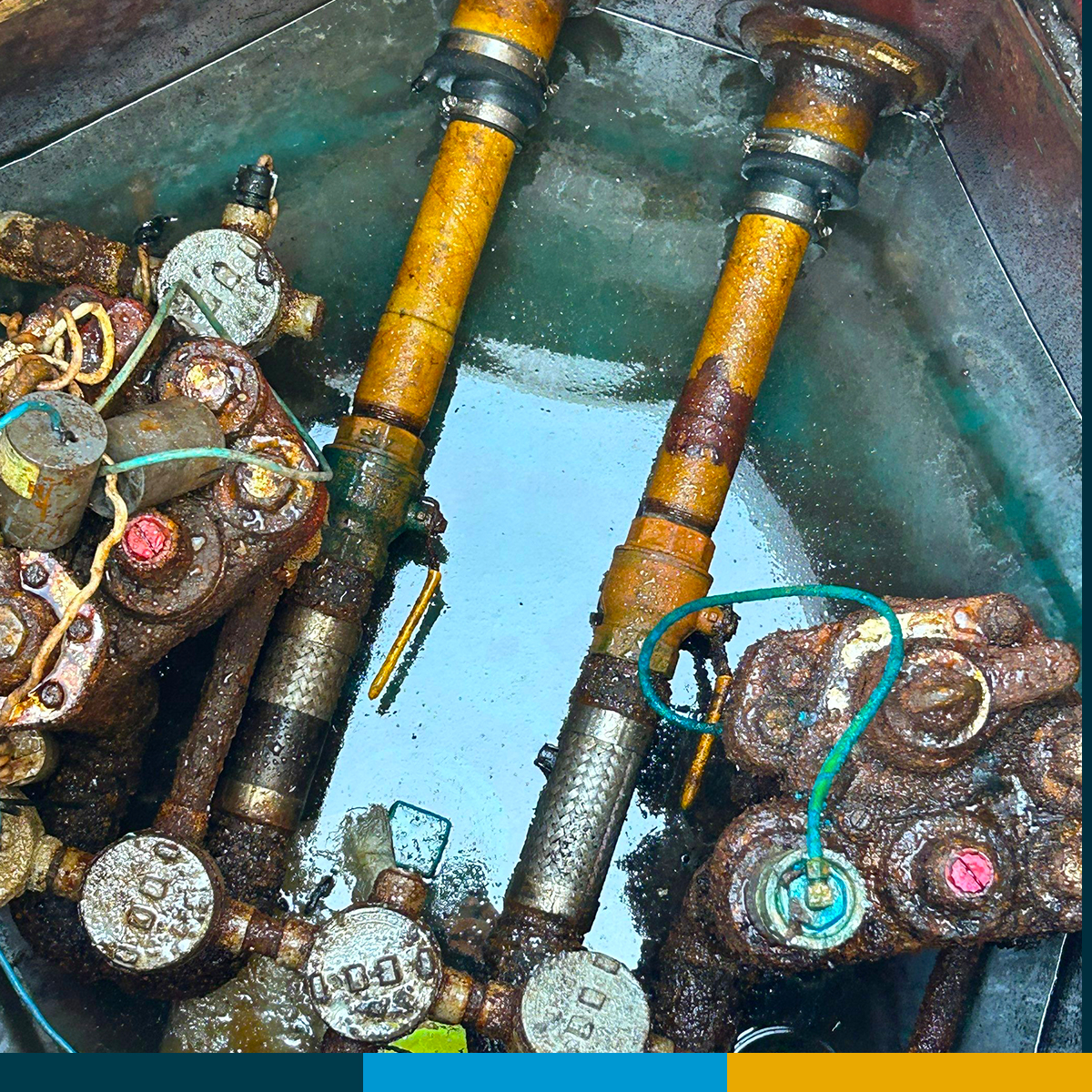
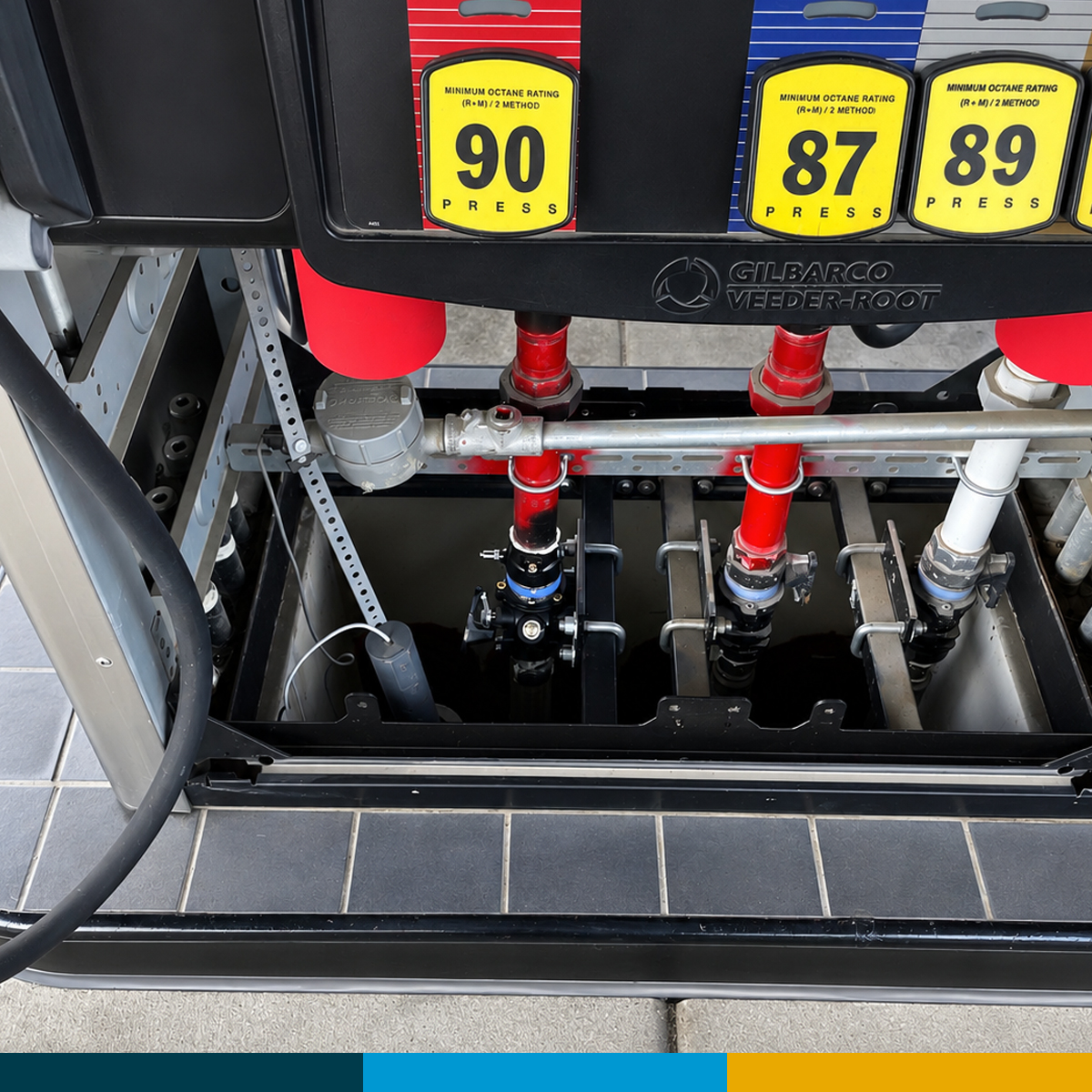
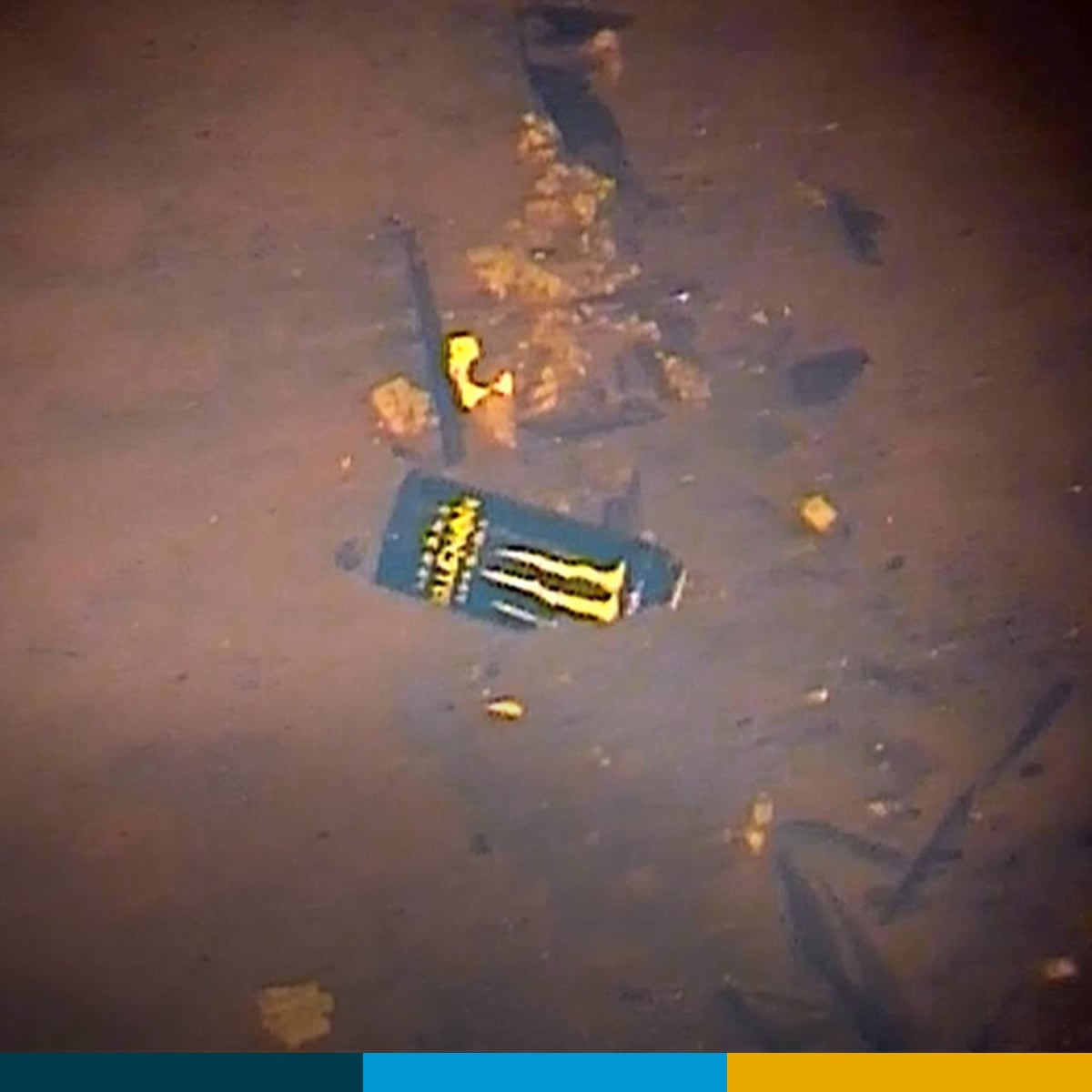
This is the part of the walk most operators skip, and it is the first physical thing many inspectors check. Open the spill buckets at your fill points. Open the containment sumps at your submersible pumps and under your dispensers. Look for liquid, debris, cracks, and loose or missing lids.
Liquid in a sump is a question, not automatically a violation. Rainwater happens. The problem is liquid that nobody can explain and nobody has tested. If you find liquid, do not guess what it is. Identify it, document what you found and what you did about it, and get help if there is any chance it is product.
We covered this decision in depth in the containment sump guide. The short version for inspection prep: an empty, clean, intact sump is the single best first impression a fuel site can make.
Two questions come up at nearly every visit. Does your line leak detection work, and can you prove it was tested? Does your ATG actually monitor what it is supposed to monitor?
Walk to the ATG console. Review the alarm history. A console full of unacknowledged alarms tells an inspector that nobody is watching the system, and that invites a longer look at everything else. If there are alarms you cannot explain, chase them down now, before the visit, with your service partner if needed.
Then confirm the annual test dates for your line leak detectors and any other required testing for your equipment. If a test is coming due, schedule it before the inspection instead of after the finding.
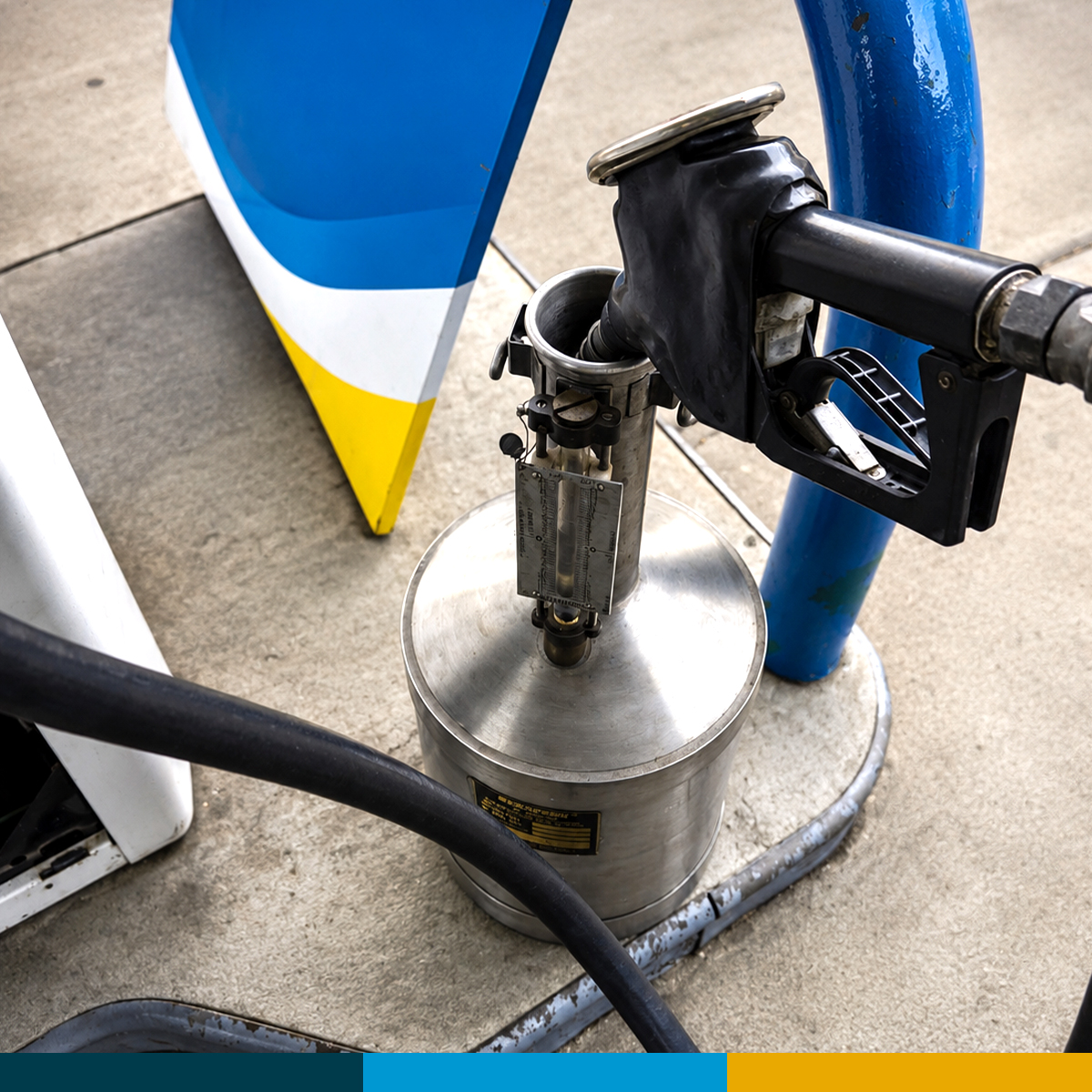
Hanging hardware is the most visible equipment on your site, and inspectors see it the way customers do: from arm's length. Walk every dispenser and look at nozzles, hoses, breakaways, and swivels. You are looking for cracked or weather-checked hoses, fuel weeping at fittings, missing nozzle covers, and anything held together with tape.
While you are there, look at the dispenser cabinets themselves. Do the panels close and lock? Are shear valve areas clear? Is there staining on the concrete under any unit that suggests a slow drip that has been slow for a while?
None of these items takes long to fix. All of them shape the inspector's read on how the site is run.
Most states require designated trained operators, and inspectors ask. Know who your Class A, B, and C operators are, confirm their certificates are current, and make sure the people on shift can answer the basic questions: where the emergency shutoff is, what to do if the ATG alarms, and who to call when something fails. Check local and state requirements for the operator training rules in your state.
WHAT TO DO THIS WEEK
An inspection-ready site is not a site that scrambles well. It is a site where the monthly walk already happened, the records already say what the equipment already shows, and the visit confirms what you already know.
That is also the quiet payoff of this kind of prep: the same walk that gets you through an inspection catches the slow failures that take equipment out of service. The cracked hose you replace this week is a dispenser that keeps selling next month. The alarm you chase down today is a repair on your schedule instead of a violation notice later.
If your last documented site walk is hard to find, or your file has gaps you would rather close before an inspector finds them, United Uptime Services can help. Our teams handle compliance testing, leak detection, and the repairs that findings turn into, and every visit ends with clear documentation of what was found, what was done, and what comes next. Contact us to get your site walked, tested, and inspection-ready.
Start with records: leak detection tests, ATG monitoring history, operator training certificates, and repair documentation, organized where you can produce them quickly. Then walk the site the way the inspector will: open spill buckets and sumps, review the ATG alarm history, confirm test dates, and check hanging hardware. Fix what you find before the visit. Check local and state requirements, since inspection scope varies.
Most start with paperwork, because it is the fastest way to see how a site is run. After that, the common physical checks are spill buckets, containment sumps, leak detection equipment and test records, ATG alarm history, and the visible condition of dispensers and hanging hardware.
Not automatically. Rainwater intrusion happens. The problem is unexplained liquid nobody has tested or documented. If you find liquid, identify it, document what you found and what you did, and involve a service partner if there is any chance it is fuel.
Monthly is a practical rhythm for most sites, with a quick daily glance at dispensers and fill areas. The goal is simple: nothing an inspector finds should be news to you.
Treat finding it first as the win. Document it, fix what you can, and schedule service for what you cannot. A problem you found, documented, and are fixing reads very differently to a regulator than the same problem discovered cold during a visit.
5 min read
Late June. The inspector schedule for July is already filling up. You know they are coming. You think you are ready. You will probably find out in...
6 min read
The state inspector's truck is parked at pump 4. He hangs his certified test measure on the nozzle, runs five gallons, and checks the reading. You...
5 min read
Nozzles, hoses, breakaways, swivels. Your customers grab them hundreds of times a day. They are the most visible, most abused, and most overlooked...