5 min read

A Notice of Violation Just Arrived. Now What?

A Notice of Violation Just Arrived. Now What?

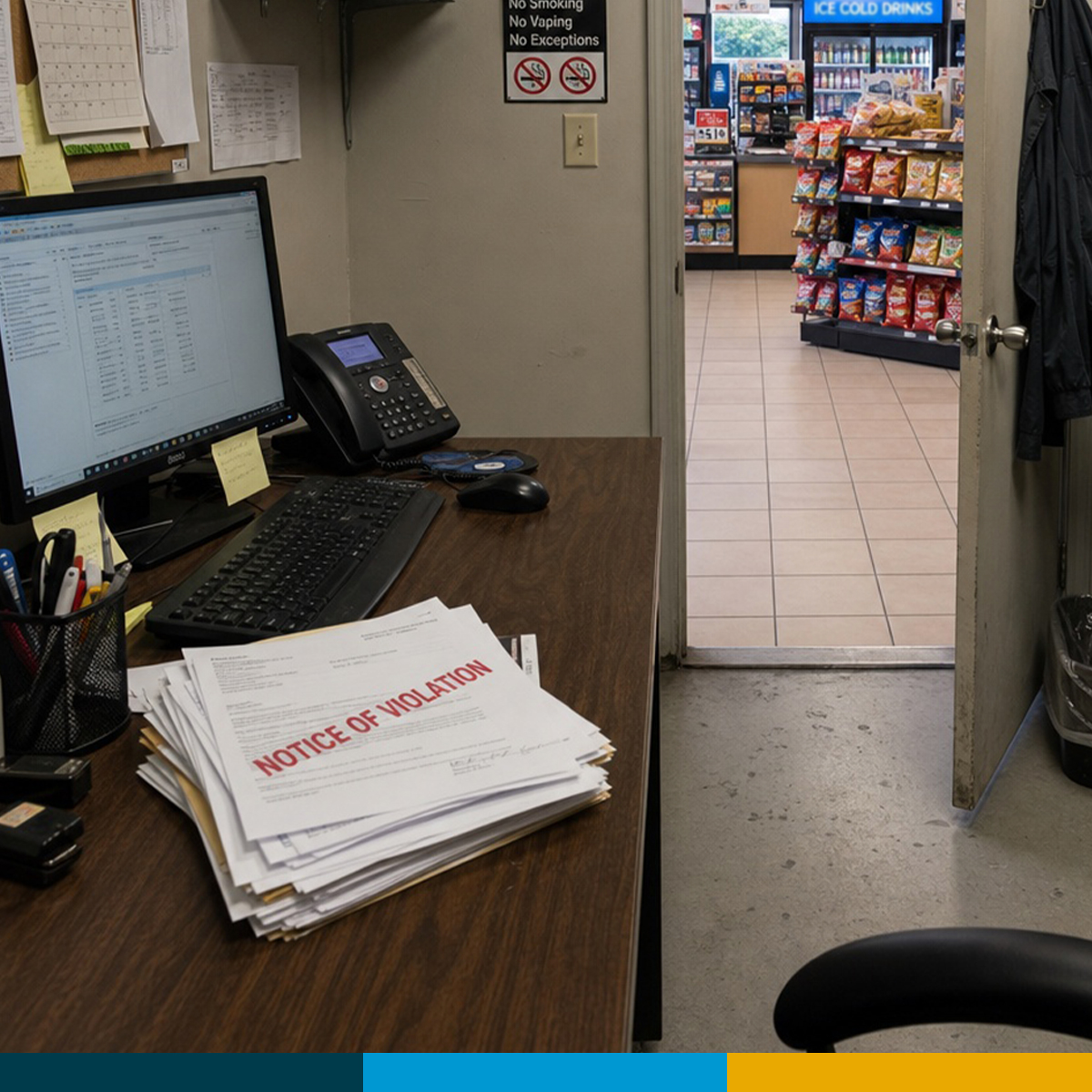
The mail comes in with the fuel invoices and a plain envelope from the state. Inside is a Notice of Violation from your last inspection. There is a list of findings, a deadline, and a case number. You read it twice in the parking lot, then put it in the truck and go unlock the doors, because you still have a store to open.

That moment is where NOV outcomes get decided. Not at the hearing. Not at the re-inspection. In the first days after the letter arrives, when you either start a clean corrective-action trail or let the deadline get closer while the letter sits in the truck.

This is a plain-language walk through what a Notice of Violation actually is, what regulators expect to happen next, and how to respond in a way that closes the case instead of growing it.

Key Takeaways

  • A Notice of Violation is a formal finding with a deadline, not a shutdown order. How you respond usually matters more than what was found.
  • Read the whole notice first. The specific findings, the corrective-action requirements, and the response deadline vary by state and by violation type.
  • Regulators want proof, not promises. The repair, the retest, and the documentation together are what closes a violation.
  • One ignored violation can invite a closer look at your whole compliance program. A clean, documented response does the opposite.
  • Check local and state requirements. Timelines and required forms differ, and your notice controls.

1. What a Notice of Violation Actually Is

A Notice of Violation, or NOV, is a formal written finding from a regulator that something at your site did not meet a requirement. For fuel sites, common triggers include liquid found in a containment sump, a failed or untested line leak detector, missing release detection records, an alarm history nobody responded to, and overdue testing.

An NOV is not the same thing as a fine, and it is not a shutdown order. It is the regulator putting a finding on the record and starting a clock. Most notices spell out three things: what was found, what corrective action is required, and when the response is due.

The NOV itself is rarely the expensive part. The expensive part is what happens when the response is late, incomplete, or undocumented.

2. Read the Whole Notice Before You Fix Anything

The instinct is to jump on the most visible problem. Slow down for one hour first.

Read every finding, not just the first one. Note the deadline for each item, because they are not always the same. Look for the required response format. Some states want a written corrective-action plan before the work. Some want specific forms with the completed work. Some require a licensed or qualified contractor for certain repairs and tests.

Then put the deadline somewhere you cannot ignore it. The operators who get in trouble with NOVs are usually not the ones with the worst equipment. They are the ones who lost track of the clock.

Check local and state requirements for NOV response in your area. Your notice and your state program control the process, and they differ state to state.

3. Fix It, Then Prove You Fixed It

Regulators close violations on evidence. The pattern that works is the same one that works for any compliance issue: test, repair, retest, and document every step.

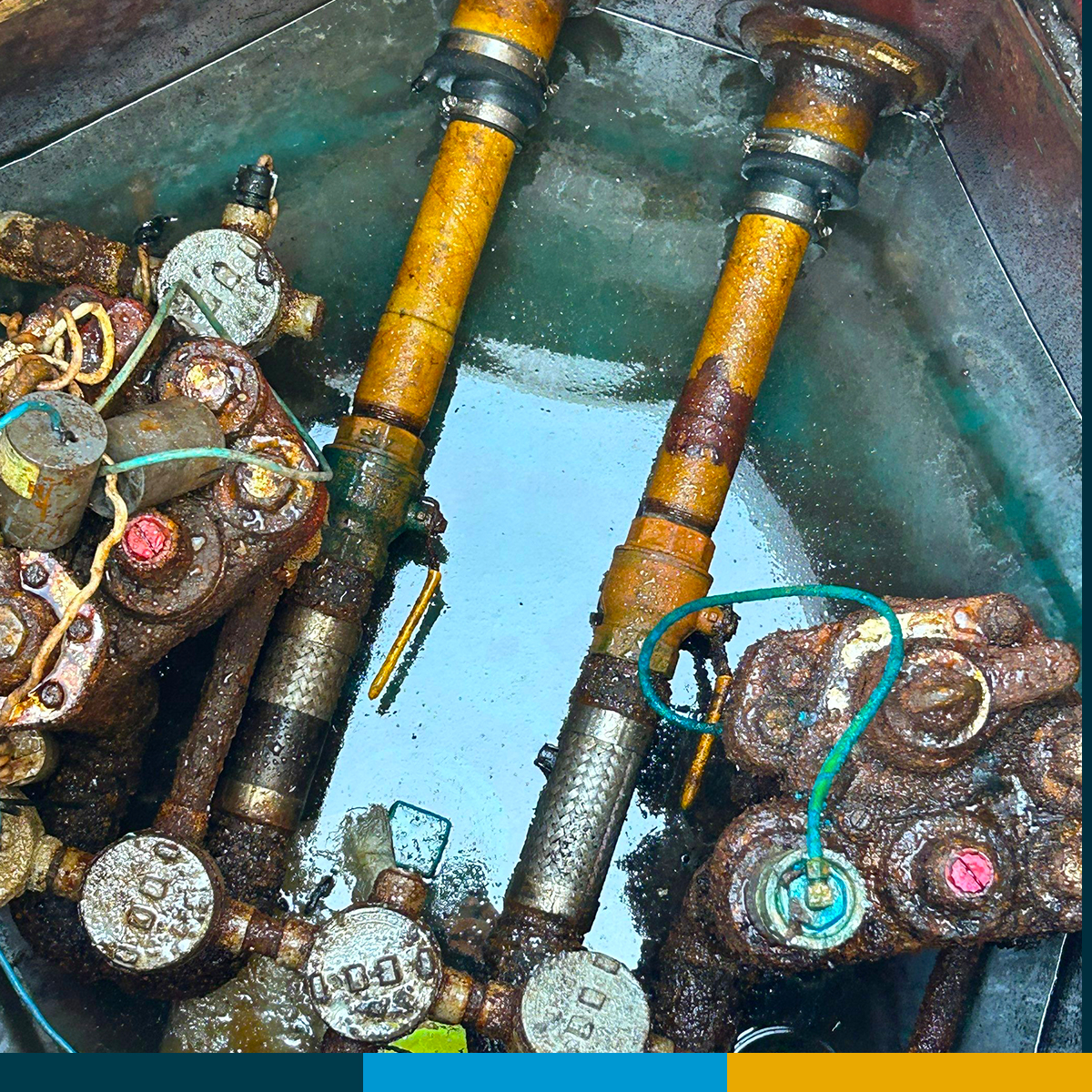
If the finding was liquid in a sump, that means the liquid gets identified and removed, the cause gets corrected, the sensor gets verified, and each of those steps produces a record. If the finding was a failed line leak detector, that means the repair or replacement, then a passing test result from a qualified technician, on paper.

If it is not documented, from the regulator’s point of view it did not happen.

Good closeout documentation from your service partner does most of this work for you. Tech notes that say what was found and what was done. Photos of the condition before and after. Test results and the required compliance forms. Parts detail that shows what was replaced. When the work record answers the regulator’s questions on its own, the case closes faster and stays closed.

4. What to Send Back, and What to Keep

Your response package should map one-to-one to the findings. For each item: what was done, who did it, when, and the supporting records. Send copies, keep originals, and keep your own copy of everything you submit, including the date you submitted it.

Then hold onto the whole file. A closed NOV with a complete corrective-action trail is one of the most useful records a site can have. It shows the next inspector, a lender, or a buyer that when something went wrong here, it got handled properly. The records inspectors pull are exactly the ones a clean NOV file already contains.

5. Why One Violation Sometimes Becomes a Bigger Problem

A single finding, ignored, tells a regulator something about the site. If a sensor alarm was cleared for weeks without action, an inspector may reasonably wonder what else is being cleared without action. That is how one NOV turns into a broader records request or a follow-up inspection.

The reverse is also true. A fast, complete, documented response tells the regulator the site has a working compliance program that caught a bad week. Operators who respond that way tend to get the benefit of the doubt the next time something is borderline.

6. When to Call a Service Partner

Call one early if the notice involves testing, repairs that must be performed by qualified technicians, or findings you cannot verify yourself, like whether a leak detector actually passed. Share the notice itself, so the work order matches the findings and the paperwork matches the requirement.

A service partner who works NOV corrective actions regularly will also know what your state program expects the response to look like, which saves a round of back-and-forth with the regulator.

Keeping Your Site Running Through a Violation

An NOV feels like a compliance problem, and it is. But it is also an uptime problem. Equipment tied to an open violation can end up out of service, and lost selling time compounds everything else the letter costs you. The fastest way back to normal operations is a response that is complete the first time: fix, verify, document, submit, and keep the file.

If a Notice of Violation is sitting on your desk right now and you are not sure what the response needs to include, United Uptime Services can help with the testing, the corrective work, and the documentation that closes it. Contact us to talk through the notice and the next steps.

Frequently Asked Questions

I got a Notice of Violation for my gas station. Do I have to close?

Usually no. Most NOVs are corrective-action notices with a deadline, not shutdown orders. Closure or delivery restrictions typically only come into play for serious findings or ignored deadlines. Read your notice for the specific requirements, and check local and state requirements in your area.

How long do I have to respond to an NOV?

It varies by state and by violation type. Some states allow 30 days, some allow far less, and different findings on the same notice can carry different deadlines. The dates printed on your notice control, so confirm them the day the letter arrives.

What proof do regulators want that I fixed a violation?

Records that match each finding: test results, repair invoices or work orders from qualified technicians, photos, and any state-required compliance forms. A written note that says “fixed” is not enough on its own.

Can my service company handle the NOV response for me?

A qualified service partner can perform the corrective work, run the required tests, and produce the documentation. The response itself is usually submitted under the operator’s name, so stay involved and keep copies of everything that goes out.

Will one NOV raise my chances of more inspections?

An unanswered or repeat violation can invite closer attention. A complete, documented, on-time response tends to do the opposite, because it shows the site has a working compliance program.

The Mid-Year Compliance Walk. Seven Records to Verify Before July Audits.

5 min read

The Mid-Year Compliance Walk. Seven Records to Verify Before July Audits.

Late June. The inspector schedule for July is already filling up. You know they are coming. You think you are ready. You will probably find out in...

Read the Full Article
Why Your Vapor Recovery System Has Opinions in July.

5 min read

Why Your Vapor Recovery System Has Opinions in July.

July rolls in. The inspector schedule starts filling up. Somewhere across your sites, a vapor recovery boot has gotten just a little too soft in the...

Read the Full Article
Card Skimmers Follow the Crowds. The World Cup Is No Different.

7 min read

Card Skimmers Follow the Crowds. The World Cup Is No Different.

It is a busy Saturday on the forecourt. Cars are stacked three deep at every island. A week later, a regular customer calls, upset, because his bank...

Read the Full Article