4 min read

Tank Cleaning Isn't on a Calendar: What Actually Decides When You Need One

Tank Cleaning Isn't on a Calendar: What Actually Decides When You Need One
How Often Does a Fuel Tank Need Cleaning? | United Uptime Services
12:22

KEY TAKEAWAYS

  • Fuel tank cleaning timing is decided by fuel quality signals and inspection findings, not a fixed calendar interval.
  • A tank video inspection shows sediment, water, and microbial growth at the bottom of the tank that a fuel sample alone can miss.
  • Skipping a needed cleaning shows up first as fuel quality complaints and filter changes, then as compliance findings.
  • The cleaning decision follows the industry's recommended practice for underground storage tank inspection and maintenance, applied to what your own site's inspection and fuel quality history show.
  • What should be in the file after a cleaning: the inspection video or photos, the volume and type of material removed, and the date logged against the tank's service history.

The sample from the bottom of the tank comes back cloudy again. Same tank, third time this year. The operator has already swapped filters twice and started fielding a customer complaint about rough-running engines. Nobody on site can say whether the tank has ever actually been cleaned, or when.

That scenario repeats at fuel sites more than almost any other. Tanks don't fail on a schedule, and neither does the fuel quality problem that eventually traces back to what's sitting on the bottom of one. Water gets in through a loose fitting or condensation. Microbial growth feeds on that water layer. Sediment builds slowly enough that nobody notices until a filter starts clogging every few weeks instead of every few months.

The question operators ask is understandable: how often should a fuel tank actually be cleaned? The honest answer is that it isn't on a calendar. It's decided by what the fuel quality and the tank itself are showing.

1. What Actually Decides the Timing

How often does an underground fuel tank need to be cleaned? There is no fixed interval. The timing is decided by what fuel quality and the tank itself are showing, not by a date on a maintenance plan. Tank video inspection and cleaning exists precisely because that decision depends on what's inside the tank right now. A handful of signals matter more than the calendar:

  • Water found on fuel samples or at the tank bottom
  • Filter change frequency climbing outside the normal pattern
  • Customer complaints tied to fuel quality (rough running, stalling, injector issues)
  • Findings from the last compliance testing or inspection cycle
  • Tank age and any known history of water intrusion

When two or more of those line up, that's the signal to schedule a cleaning, not a date on the calendar.

Fuel quality problems are rarely sudden. They're the tank telling you something it's been showing for weeks.

2. What a Video Inspection Actually Shows

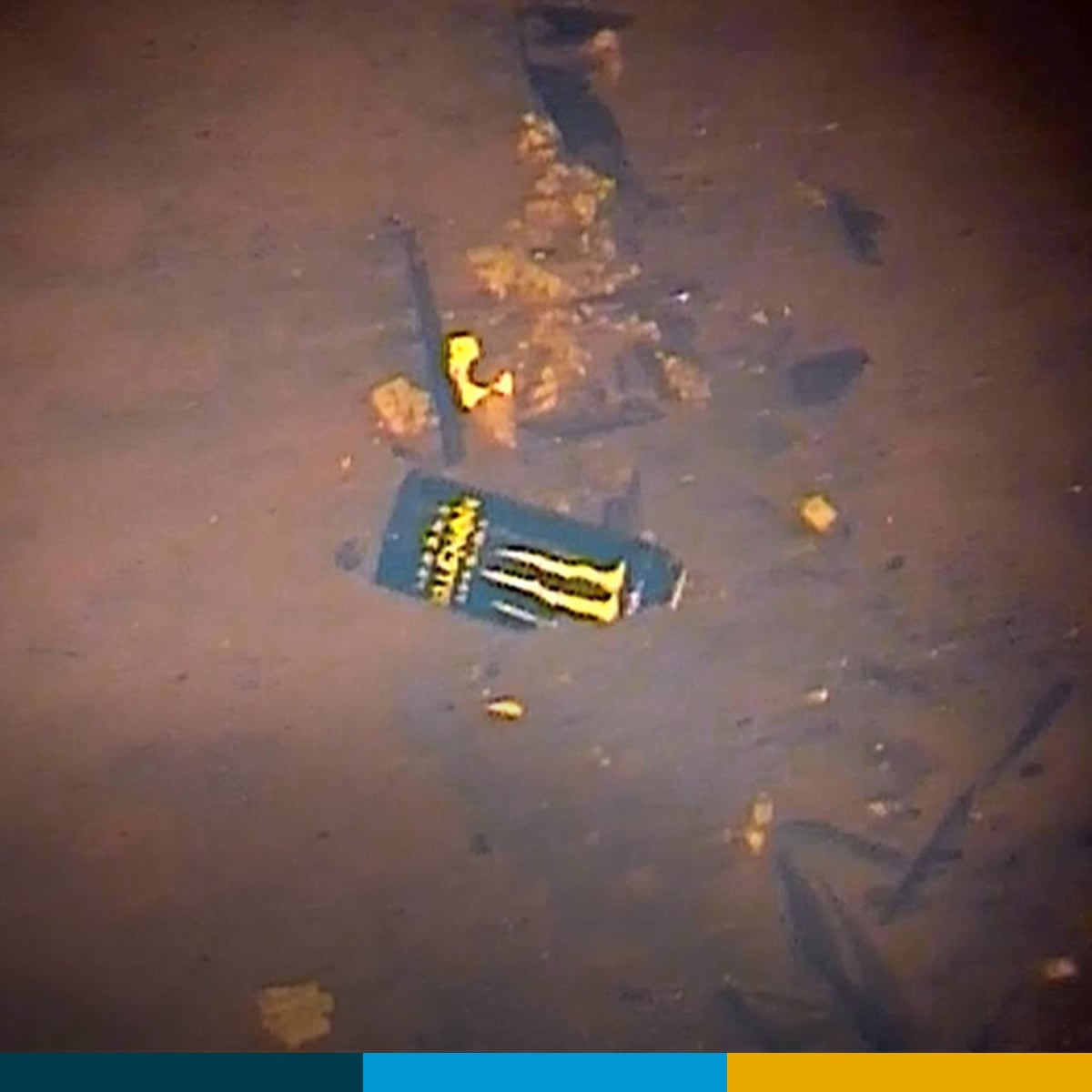
A fuel sample tells you what's in suspension. A tank video inspection shows what's settled. That distinction matters, because the material causing the most damage, sediment, water, and microbial growth, sits at the bottom where a routine sample often doesn't reach.

Tanknology, the tank inspection and testing brand inside the United Uptime Services portfolio, put it plainly in a recent industry session: real-world inspections consistently catch conditions that fuel sampling alone misses. That's the whole reason the inspection step exists ahead of a cleaning decision. It turns "we think the tank might need cleaning" into "here's exactly what's down there and how much of it."

3. What Happens If Cleaning Gets Skipped

Nobody loses a tank overnight from skipped cleaning. What happens instead is a slow accumulation of smaller problems: more frequent filter changes, more fuel quality complaints, more time spent chasing a symptom instead of the cause. Eventually it shows up in a compliance inspection, and by then the conversation is about a finding and a deadline instead of a scheduled visit on the operator's own terms.

The cost of staying ahead of it isn't complicated. It's the cost of an inspection and, when the inspection calls for it, a cleaning. What it prevents is losing selling time to a dispenser or tank problem that traces back to fuel quality, and it keeps the conversation with an inspector about routine maintenance instead of a violation.

4. What Should Be in the File Afterward

A cleaning that isn't documented is hard to defend later, whether that's to an inspector, an insurer, or the next person who inherits the site. The file should hold:

  • The inspection video or photo documentation from before the cleaning
  • What was found: water, sediment, or microbial growth, and roughly how much
  • The date the cleaning was performed and by whom
  • Confirmation the tank was returned to service and fuel quality retested

Check local and state requirements for underground storage tank recordkeeping in your area. Some jurisdictions expect this documentation on file and ready before an inspector asks for it.

Keeping Your Site Running

Tank cleaning isn't a box to check on a set interval. It's a decision made from what an inspection actually shows, grounded in the industry's recommended practice for underground storage tank inspection and maintenance. If fuel quality complaints, rising filter changes, or an upcoming inspection have you wondering whether a tank needs a closer look, contact United Uptime Services to schedule a tank video inspection and get a straight answer on timing.

Frequently Asked Questions

How often does an underground fuel tank need to be cleaned?

There's no fixed interval. Timing is decided by fuel quality signals (water, rising filter changes, customer complaints) and by what a tank video inspection finds, not by a calendar date.

What does a tank video inspection actually check for?

It documents the condition at the bottom of the tank, water, sediment, and microbial growth, that a routine fuel sample can miss.

What's the difference between tank cleaning and fuel polishing?

Cleaning removes accumulated water, sediment, and contamination from the tank itself. Fuel polishing filters and treats the fuel in place. Sites sometimes need one, the other, or both, depending on what the inspection shows.

What should be documented after a tank cleaning?

The inspection findings going in, what was removed, the date and technician, and confirmation the tank passed a fuel quality check after service. Check local and state requirements for recordkeeping in your area.

Who decides when a tank needs cleaning?

The decision follows the same recommended practice that guides underground storage tank inspection and maintenance industry-wide, applied to what your site's own inspection and fuel quality history show.

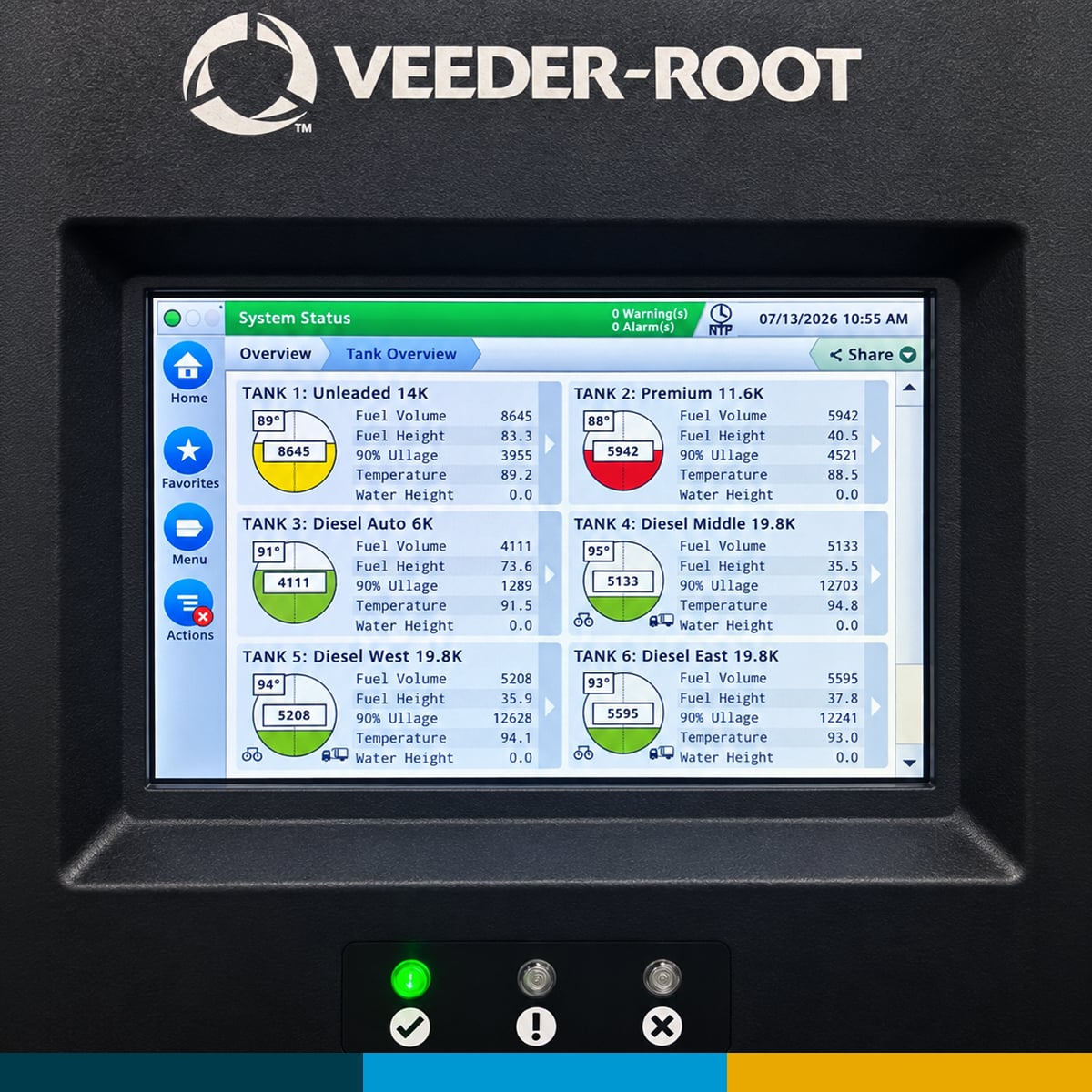
Which ATG Alarms Actually Matter (and Which Ones Are Telling You Something Else)

Which ATG Alarms Actually Matter (and Which Ones Are Telling You Something Else)

Not every automatic tank gauge alarm is an emergency. Learn which ATG alarms matter (fuel, sudden loss, probe out, test fail), which are routine, and...
Read the Full Article
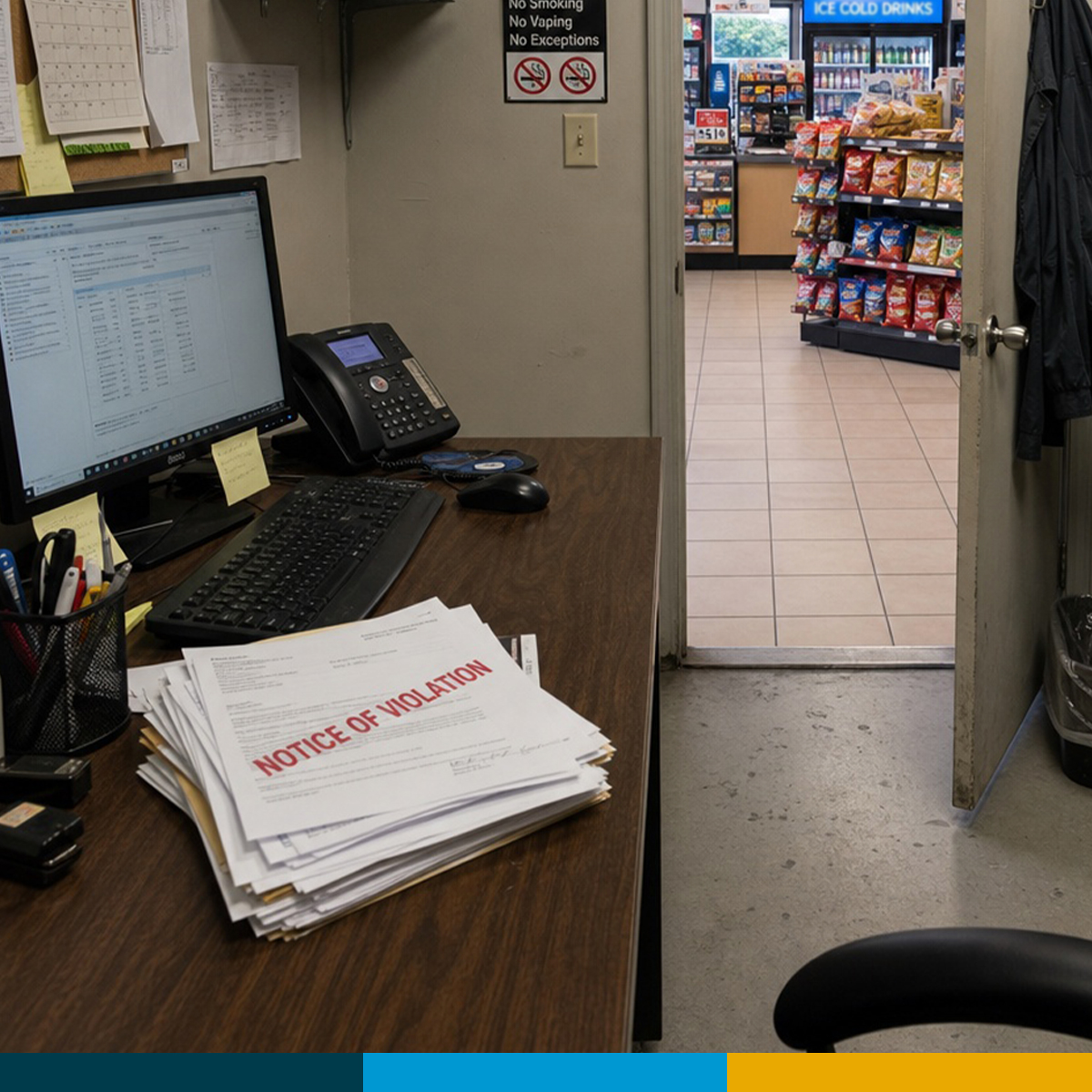
A Notice of Violation Just Arrived. Now What?

A Notice of Violation Just Arrived. Now What?

A Notice of Violation is a deadline, not a shutdown. What the letter means, how to respond, and the records that close a UST violation.

Read the Full Article
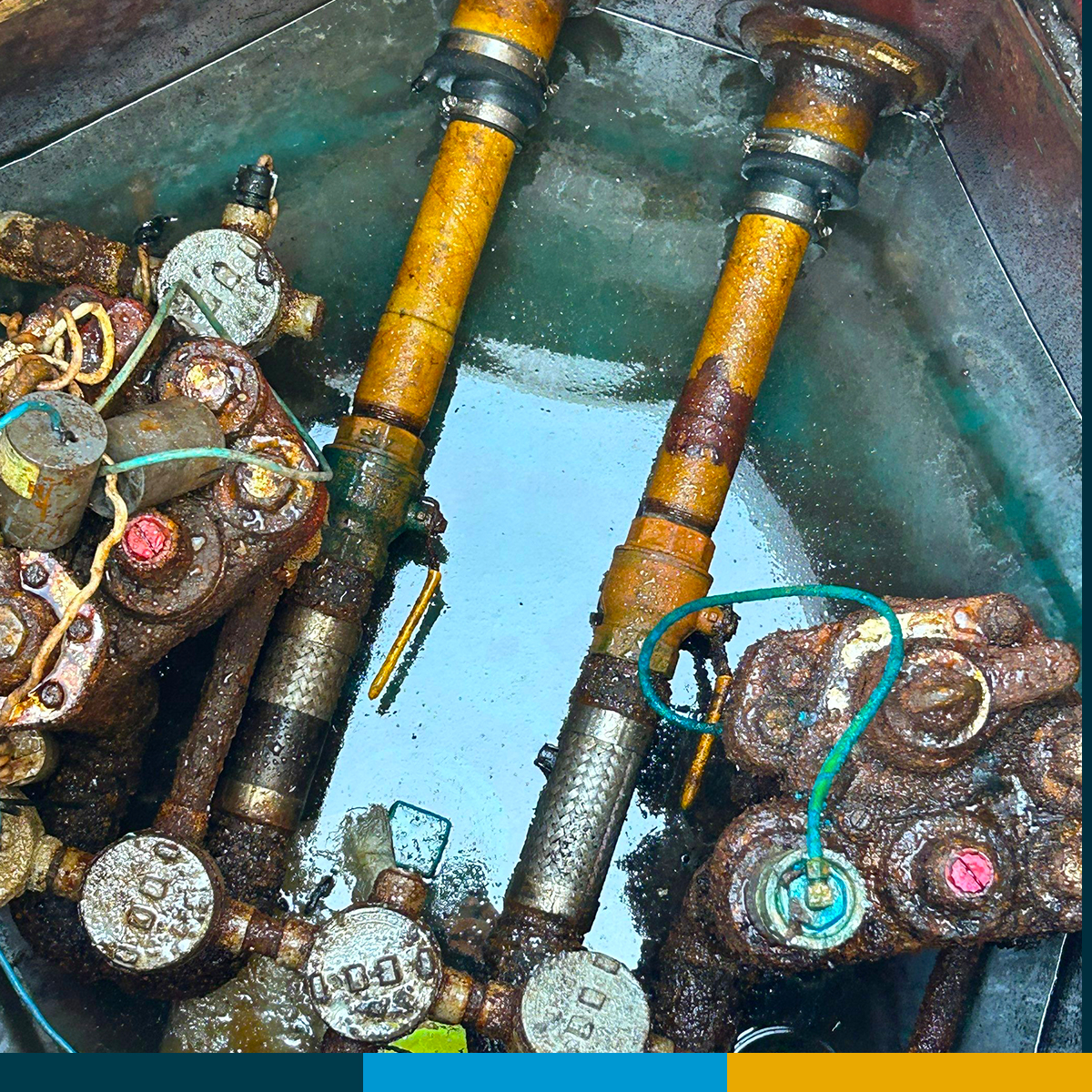
Walk Your Site Like an Inspector Before One Shows Up

Walk Your Site Like an Inspector Before One Shows Up

How to get a fuel site ready for a state inspection: the records inspectors ask for first, the sump and leak detection checks, and a monthly walk.

Read the Full Article