5 min read

When Your Meters Drift, Your Revenue Walks Out the Door

When Your Meters Drift, Your Revenue Walks Out the Door
8:38

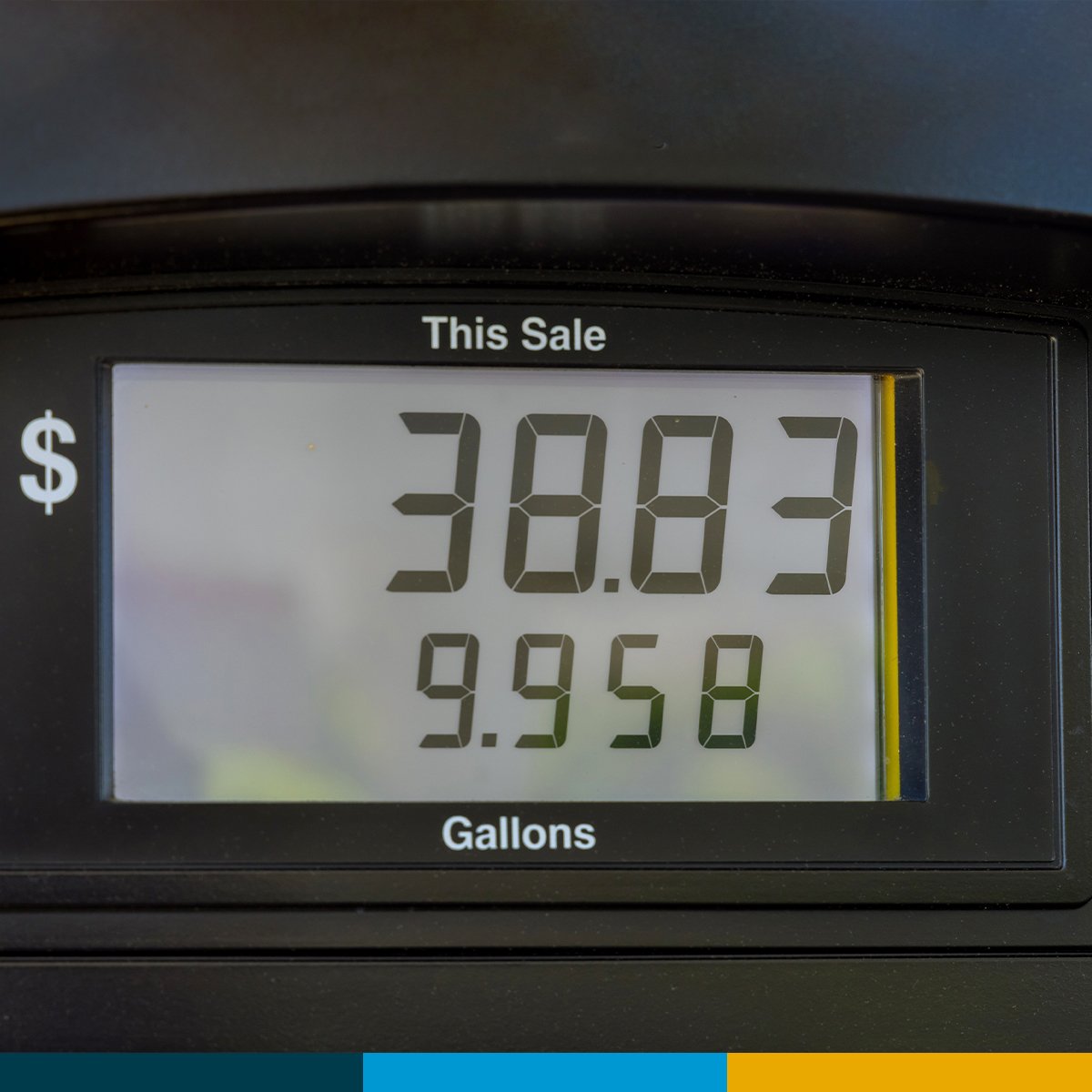
Every gallon your dispenser pumps passes through a meter. If that meter is not measuring accurately, you are either giving away fuel or overcharging customers. One costs you money. The other costs you your weights and measures certification.

Most fuel site operators think of meter calibration as something that happens when a weights and measures inspector shows up. The inspector runs a test. The meter passes or it does not. If it does not, you get a notice, the dispenser comes out of service, and you schedule a repair.

But here is what a lot of operators miss: meters do not go from "perfectly calibrated" to "out of spec" overnight. They drift. Slowly, over months, through normal wear on internal components, changes in fuel temperature, and the gradual breakdown of measuring elements. That drift might be too small to notice day to day, but over thousands of transactions, it adds up.

And if your meters are drifting in the customer's favor, you are losing revenue on every fill. If they are drifting in your favor, you have a compliance problem.

1. How Fuel Meters Work and Why They Drift

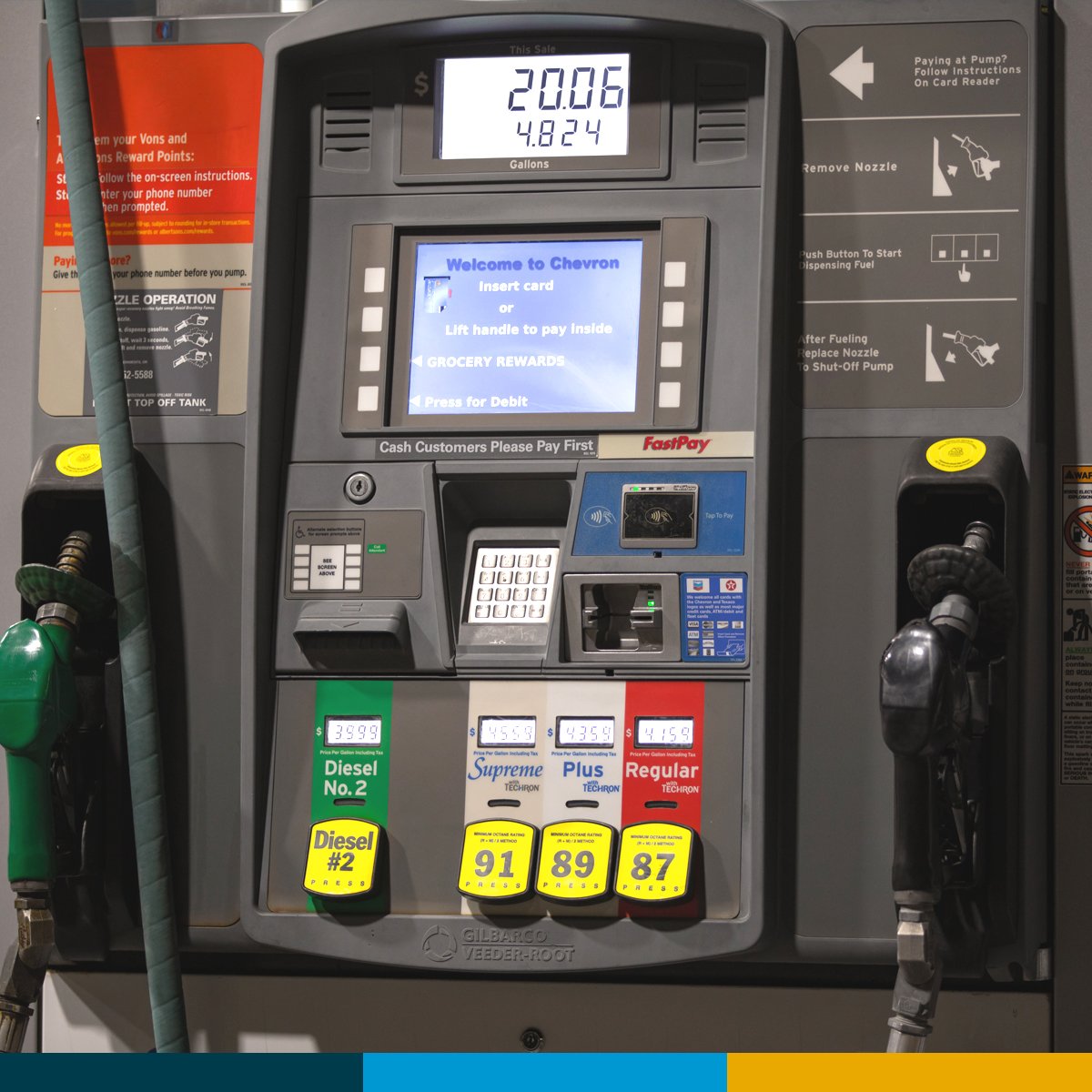
A fuel meter is a precision measuring device installed inside every dispenser. Most retail fuel dispensers use positive displacement meters, which measure fuel by trapping a known volume and counting how many times that volume passes through. The meter sends a signal to the dispenser's electronics, which converts the count into gallons and calculates the price.

These meters are built to be accurate within a very tight tolerance. Weights and measures regulations in most states require fuel meters to be accurate within plus or minus six cubic inches per five gallons. That sounds like a small window, and it is. But it is also a window that components can drift outside of through normal operation.

The most common causes of meter drift are wear on the internal measuring elements (pistons, gears, or vanes depending on the meter type), debris passing through from degraded fuel filters, temperature-related expansion and contraction of internal components, and electrical calibration offsets in the dispenser's electronics.

None of these causes are unusual. They are the natural result of a meter processing thousands of gallons over months and years. The question is not whether your meters will drift. It is whether you will catch it before a weights and measures inspector does.

2. What a Weights and Measures Inspection Looks For

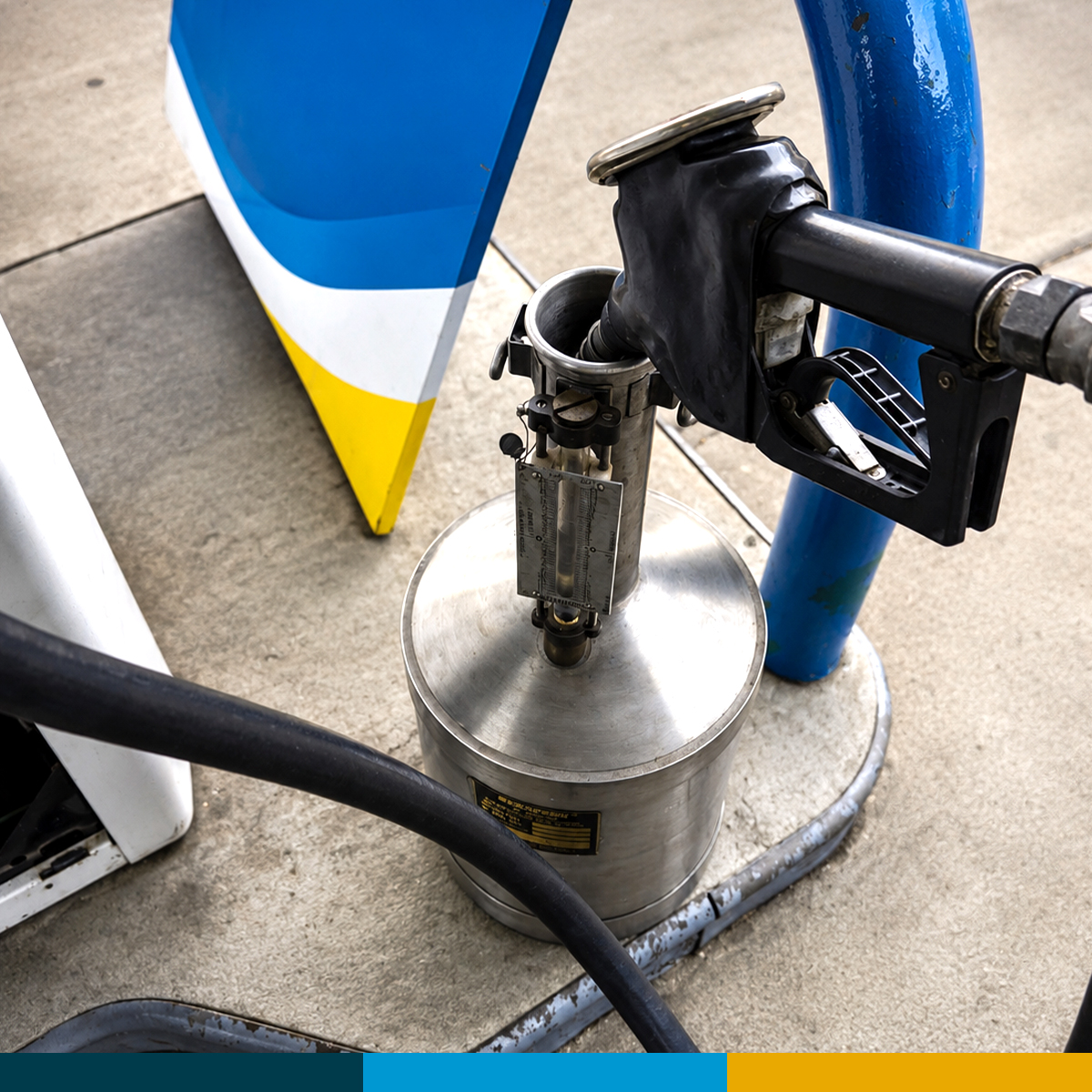
Weights and measures inspectors are not just checking whether your meter reads close to accurate. They are running a formal test protocol with calibrated test measures, typically a five-gallon prover can.

The inspector runs fuel through the dispenser into the prover and compares what the dispenser says it pumped against what the prover actually received. If the dispenser reads 5.000 gallons and the prover shows 4.985, that is within tolerance. If the prover shows 4.940, that is not.

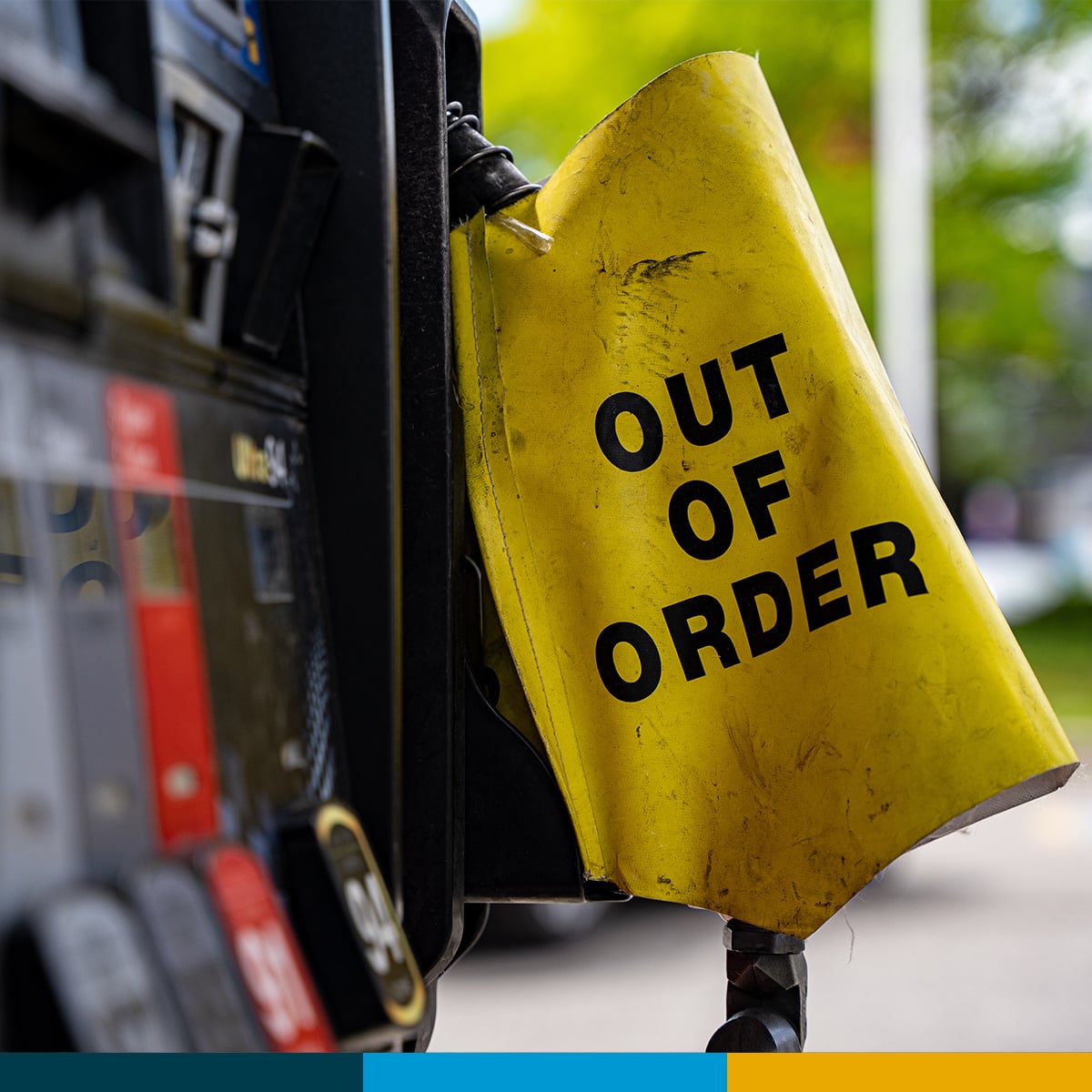
When a meter fails inspection, the inspector typically places the dispenser out of service immediately. You cannot sell fuel through that dispenser until the meter is recalibrated or replaced and passes a retest. Depending on your state, you may also face a fine, and the failed test goes into your inspection record.

Here is what makes this costly for operators: the failed meter is only part of the problem. If an inspector finds one meter out of spec, they will often test additional dispensers on the same site. A single failed meter can turn into a multi-dispenser inspection that puts several units out of service at once.

Check local and state requirements for specific tolerance ranges and inspection schedules in your area.

What to do this week

Find out when your last weights and measures inspection happened. Pull the record. Note which dispensers were tested, what the results were, and whether any calibration adjustments were made. If you cannot find the record, or if it has been more than a year since the last formal test, put a proactive calibration check on the calendar before the next state visit.

3. The Revenue Impact Operators Miss

Most operators focus on the compliance side of meter calibration. That makes sense because a failed inspection has immediate, visible consequences. But the revenue side is just as real, even though it is harder to see.

Consider a meter that is drifting in the customer's favor by a small amount per gallon. On a single transaction, the difference is negligible. But a busy dispenser might pump several hundred gallons per day. Over the course of a month, that small per-gallon drift across a busy site with multiple dispensers adds up to a meaningful amount of fuel you gave away without knowing it.

You will never see this on your daily sales report. The dispenser says it pumped a certain number of gallons and charged accordingly. The only way to know the meter is off is to test it. And if no one tests it between weights and measures visits, the drift can continue for months.

The operators who stay ahead of this are the ones who schedule periodic calibration checks between official inspections. Not because the state requires it, but because the cost of the check is significantly less than the cost of giving away fuel you do not know you are giving away.

A meter that is off by a small amount per gallon does not look like a problem on any single transaction. But multiply that across every fill, every day, for months, and it is real money.

4. Calibration vs. Replacement: Knowing the Difference

Not every meter that fails calibration needs to be replaced. In many cases, a qualified technician can adjust the meter's calibration settings to bring it back within spec. This is a routine procedure that involves running test volumes, making incremental adjustments, and retesting until the meter reads accurately.

But there are cases where calibration alone will not fix the problem. If the internal measuring elements are worn beyond tolerance, if there is physical damage to the meter body, or if the meter has failed calibration multiple times in a short period, replacement is the better path.

The decision between calibrating and replacing depends on the meter's history, its age, and how much drift was present. A qualified technician can evaluate the meter and recommend the right path. The important thing is that the evaluation and the outcome are documented.

5. What Documentation Should Exist

For every meter on your site, your records should show when it was last tested, what the test results were, whether any calibration adjustments were made, and what parts were involved if a repair or replacement occurred.

After work is completed, documentation is sent to you and/or your team including Tech Notes, Photos, Required Documents, and parts detail, including what was used and what is required for return.

This documentation matters for two reasons. First, it gives you visibility into meter performance over time. If a meter required calibration twice in six months, that is a signal that something deeper may be going on. Second, it gives you defensible records if a weights and measures inspector asks when your meters were last serviced.

The operators who rarely fail weights and measures inspections are not the ones with the newest equipment. They are the ones who test between inspections and keep the records to prove it.

What to do this week

Pull the service history for every meter on your site. For each dispenser, you should be able to answer three questions: When was it last tested? What were the results? Was anything adjusted? If the answers are not clear, that is the gap. Schedule a baseline calibration check and make sure the documentation lives somewhere you can find it.

6. When to Call a Service Partner

If you notice any of the following, it is time to get a qualified technician on site: customer complaints about slow flow or inaccurate readings, visible discrepancies between what the dispenser displays and what a test measure shows, a meter that has failed calibration more than once recently, or any weights and measures inspection failure.

Do not wait for the next scheduled inspection to find out your meters have drifted. The cost of a proactive calibration check is a fraction of the cost of a failed inspection, lost selling time while dispensers are out of service, and the follow-up inspection that often comes after a failure.

Your Line Leak Detector Might Not Be Doing Its Job

5 min read

Your Line Leak Detector Might Not Be Doing Its Job

Your ATG runs a line leak test every time the pumps shut off. But when was the last time anyone confirmed the results were accurate, or even reviewed...

Read the Full Article
The Small Dispenser Problem That Costs More Than the Fix

5 min read

The Small Dispenser Problem That Costs More Than the Fix

A cracked hose, a stuck breakaway, a filter that has not been changed in months. None of these shut your site down today. But each one is a clock...

Read the Full Article
What’s That Liquid in Your Containment Sump?

4 min read

What’s That Liquid in Your Containment Sump?

4 Things to Check Before a Routine Walk-Through Becomes a Regulatory Problem. You open a sump lid during a routine walk-through and there’s liquid...

Read the Full Article