4 min read
When the Heat Hits, Your Dispenser Slows Down. Here Is Why.
The forecourt is busy. The lunch rush rolls in. A customer pulls up to the pump, swipes the card, lifts the nozzle, and stands there. And stands...
4 min read
United Uptime
:
July 20, 2026
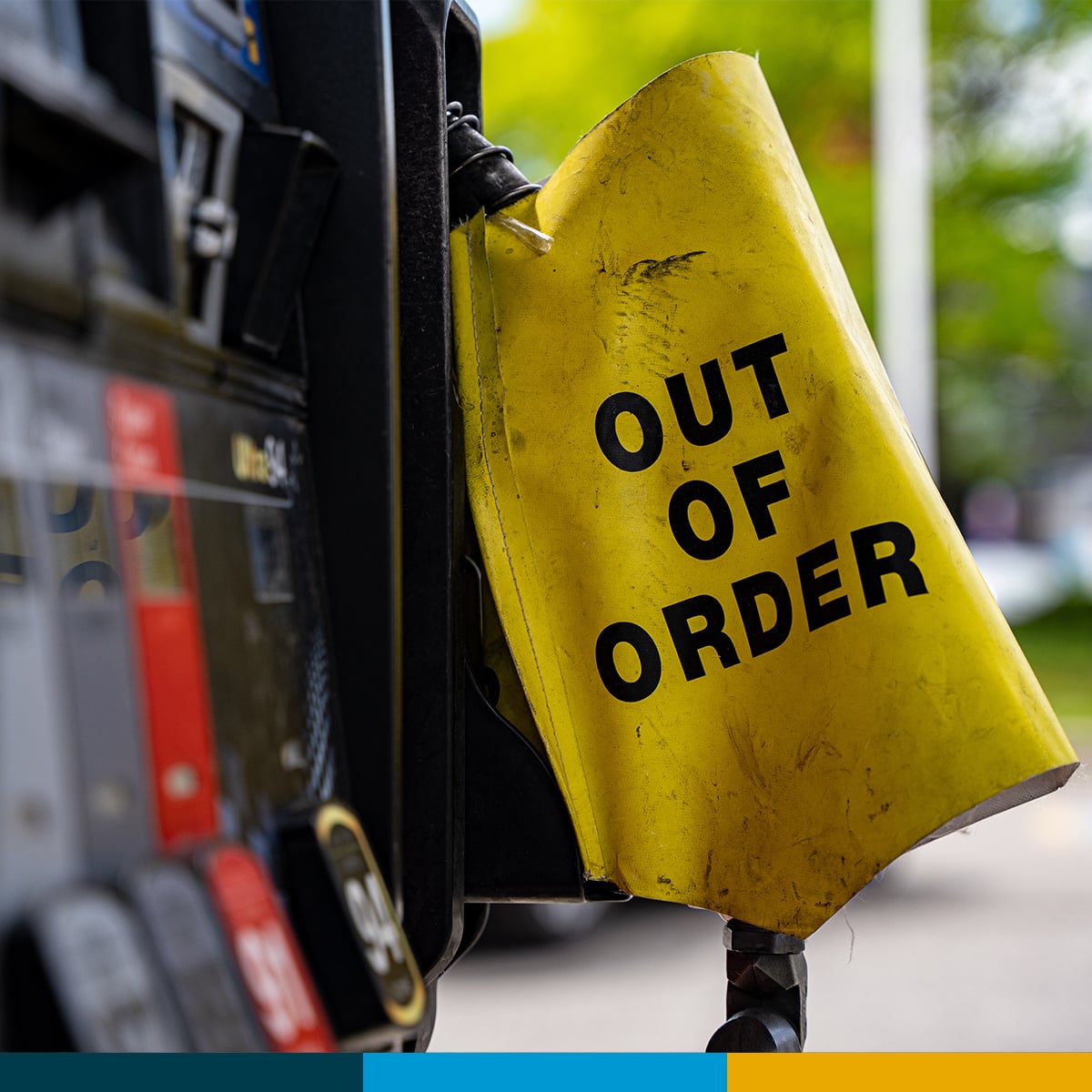
It is Saturday morning, your busiest window of the week, and dispenser 4 is wearing a bag again. Same dispenser as last month. The repair got made, the invoice got paid, and here you are watching cars stack up behind three working positions while the fourth one sits dark.
KEY TAKEAWAYS:
Most offline equipment gives warning first. Act on slow flow, error codes, and small leaks early.
Repeat failures usually mean the root cause has not been found yet. Say so when you call for service.
A complete service ticket, with make, model, error code, and what changed, is the fastest path to a one-visit fix.
Planned maintenance turns surprise outages into scheduled work and builds the records inspectors ask for.
Most operators think of offline equipment as bad luck. A part fails, you call for service, and you wait. But when you look at enough sites over enough years, the luck explanation falls apart. The same handful of patterns shows up again and again, whether it is a single rural store or a fleet depot fueling trucks around the clock.
That matters because a dispenser that is out of service costs you more than the repair. Every hour it sits bagged is lost selling time, and regular customers who find a bagged nozzle twice start building a habit at the store down the road.
Here are the five patterns behind most offline fueling equipment, and what you can do about each one.
A slow filter becomes a stalled dispenser. A weeping hose fitting becomes a shutdown position. A sticky nozzle becomes a customer complaint, then a work order, then a bagged pump.
Most equipment that goes offline gives warning first. Flow slows down. A display flickers. An alarm shows up on the console and gets silenced. The failure that finally takes the position out of service is usually the end of a chain that started weeks earlier. We wrote about how the small dispenser problem costs more than the fix, and the pattern holds across every equipment type on the forecourt.
Equipment rarely fails without warning. It fails without anyone acting on the warning.
The fix is not complicated: treat slow flow, error codes, and small leaks as work orders, not annoyances. The cost of catching these early is a fraction of the cost of a dead position on your busiest day.
If the same dispenser goes offline for the same reason more than once, the problem usually is not the part. Something upstream is killing it. Boards that keep failing may point to power quality. Filters that clog fast may point to tank water or a fuel quality issue. Volume readings that keep drifting may point to meter wear. The pulser only translates what the meter measures into electronics, so when the count drifts, it is the meter that is wearing.
Swapping the failed part gets the position selling again today. Asking why the part failed keeps it selling next quarter. When you call for service on a repeat issue, say so. A tech who knows this is the third filter this summer looks at the site differently than one who thinks it is the first.
Summer storms knock sites offline in two waves. The first is obvious: the power goes out and everything stops. The second is quieter. Surges and brownouts stress dispenser electronics, submersible pump controllers, and tank gauge consoles, and some of that damage shows up days later as unexplained faults.
If your site has been through a recent outage and equipment starts acting strange, mention the outage when you call for service. It shortens the diagnosis. We covered the full post-storm walk-through in a separate guide, and it pairs well with this one.
It does, more than most operators expect. The difference between a one-visit repair and a two-visit repair is often the information in the ticket.
When you request service, have four things ready: the equipment make and model, the exact error code or symptom, when it started, and anything that changed around the same time, like a fuel delivery, a storm, a remodel, or a new POS. A clear ticket lets the tech arrive with the right parts on the truck instead of diagnosing from zero.
WHAT TO DO THIS WEEK:
Run-to-fail feels cheaper because the spending is invisible until something breaks. Planned maintenance moves that spending to a schedule you control. Filters get changed before they slow flow. Hanging hardware gets replaced before a breakaway fails during a fill-up. Meters get checked before drift becomes a weights-and-measures problem during an inspection.
Planned visits also build a paper trail. If a regulator or an inspector asks when the equipment was last serviced, the answer is a document, not a guess. Check local and state requirements for maintenance and testing intervals in your area, because they vary.
The sites with the least lost selling time are almost never the luckiest ones. They are the ones with a maintenance rhythm.
None of these five patterns requires new technology or a bigger budget to address. They require noticing early, asking why on repeats, calling in good information, and putting maintenance on a schedule instead of waiting for the bag.
Good documentation ties it all together. After every service visit, you should receive clear records of what was found and what was done, photos of the work, and parts detail, including what was used and what is required for return. That record is what turns this visit's repair into next visit's shorter diagnosis.
If offline equipment keeps eating your selling time, or the same position keeps failing and nobody has told you why, United Uptime Services can help. Contact us to talk through what your equipment has been telling you.
Why does my dispenser keep going out on the same side every few weeks?
Repeat failures on one position usually point to a root cause the part swap is not fixing, such as power quality, fuel contamination, or wear in a connected component. Tell your service partner it is a repeat. That changes how they diagnose it.
Is planned maintenance worth it for a small site, or should I just fix things when they break?
Run-to-fail looks cheaper until you price a dead position on a busy weekend. Planned maintenance moves the cost to a schedule you control, catches small issues before they take equipment offline, and builds the service records inspectors ask for.
What should I have ready when I call for fueling equipment service?
Equipment make and model, the exact error code or symptom, when it started, and anything that changed around the same time, like a fuel delivery or power outage. Good information up front is the difference between a one-visit and a two-visit repair.
What paperwork should I get after a service visit?
Clear documentation of what was found and what was done, photos, and parts detail, including what was used and what is required for return. Keep it with your compliance records. It shortens the next diagnosis and answers inspector questions.
4 min read
The forecourt is busy. The lunch rush rolls in. A customer pulls up to the pump, swipes the card, lifts the nozzle, and stands there. And stands...
5 min read
Your inventory reconciliation comes in for the week and the variance is bigger than it should be. Not huge. Not enough to make you call anyone. Just...
5 min read
Nozzles, hoses, breakaways, swivels. Your customers grab them hundreds of times a day. They are the most visible, most abused, and most overlooked...