5 min read

The Mid-Year Compliance Walk. Seven Records to Verify Before July Audits.

The Mid-Year Compliance Walk. Seven Records to Verify Before July Audits.

Late June. The inspector schedule for July is already filling up. You know they are coming. You think you are ready. You will probably find out in week one of the inspection cycle that one of your sites is missing a record nobody had thought about since last summer.

KEY TAKEAWAYS:

July through September is peak inspection season in many states. The mid-year walk in late June is when you find the gaps cheaply, before someone else does.

Seven records account for most of the trouble. ATG monitoring, line leak detector tests, sump and spill bucket inspections, cathodic protection, walkthrough logs, training records, and the most recent equipment service paperwork.

The cost of the walk is small. The cost of a notice of violation is not. Most failures in mid-year inspections come from missing or outdated documentation, not from broken equipment.

Check local and state requirements. The seven categories below are common, but exact rules vary sharply by jurisdiction.

Mid-year is the soft pinch point for fuel site compliance. Spring is too early. Late fall is too late. The inspector cycle for many states leans hard into July and August, and the operators who do best at that window are not the ones who fix problems on the day of the visit. They are the ones who walked their records in late June.

This post is a walk through seven records inspectors most often pull, what they actually want to see, and a small list of things you can verify this week. None of it is dramatic. All of it is the kind of detail that turns a routine visit into a notice of violation if it is missing.

1. Why July Is the Pinch Point for UST Inspections

Inspection scheduling is not random. State agencies push annual and semi-annual UST inspections into the warmer months because field work is easier, technicians are more available, and the calendar lines up with fiscal cycles. The result is that July through September is when a large share of inspections happen in many states.

For operators, that means a narrow window. If something is going to fail an inspection, it will fail it in those weeks. And if a record is going to come up missing, that is when it will come up missing. The walk you do in late June is what determines whether August feels routine or feels like a fire drill.

2. The Seven Records Inspectors Always Pull

Across most states and most inspectors, the same handful of records get pulled. The exact list varies by jurisdiction, but these seven account for the large majority of what gets asked for.

1. Automatic tank gauge monitoring records. Inspectors want to see a continuous record of monitoring, including any alarms and how they were resolved. Gaps in the record are a red flag. So are alarms with no resolution noted.

2. Line leak detector test results. Annual function testing of line leak detectors is required in most states. The inspector wants the most recent test report, the date, and the result, on file and reasonably easy to produce.

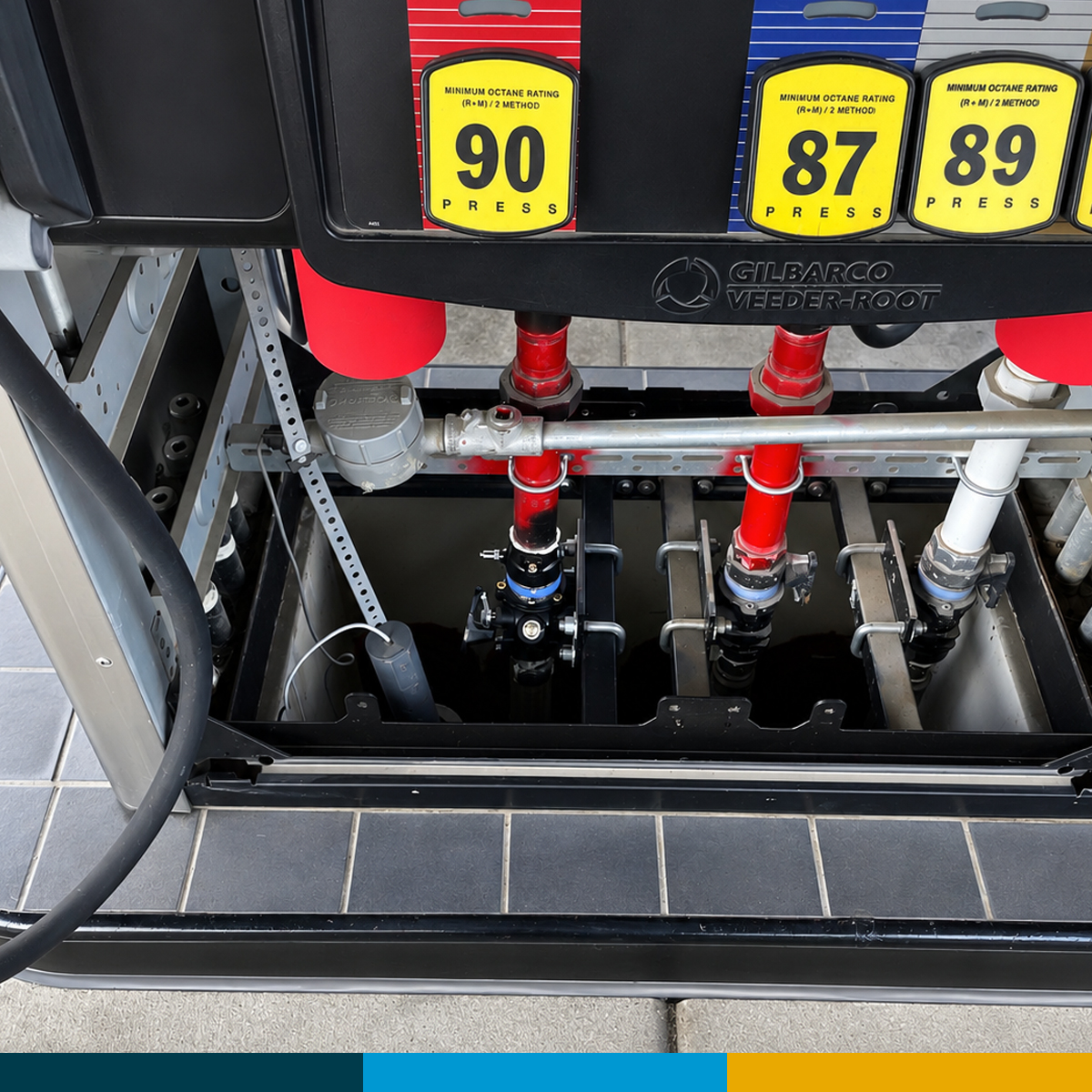
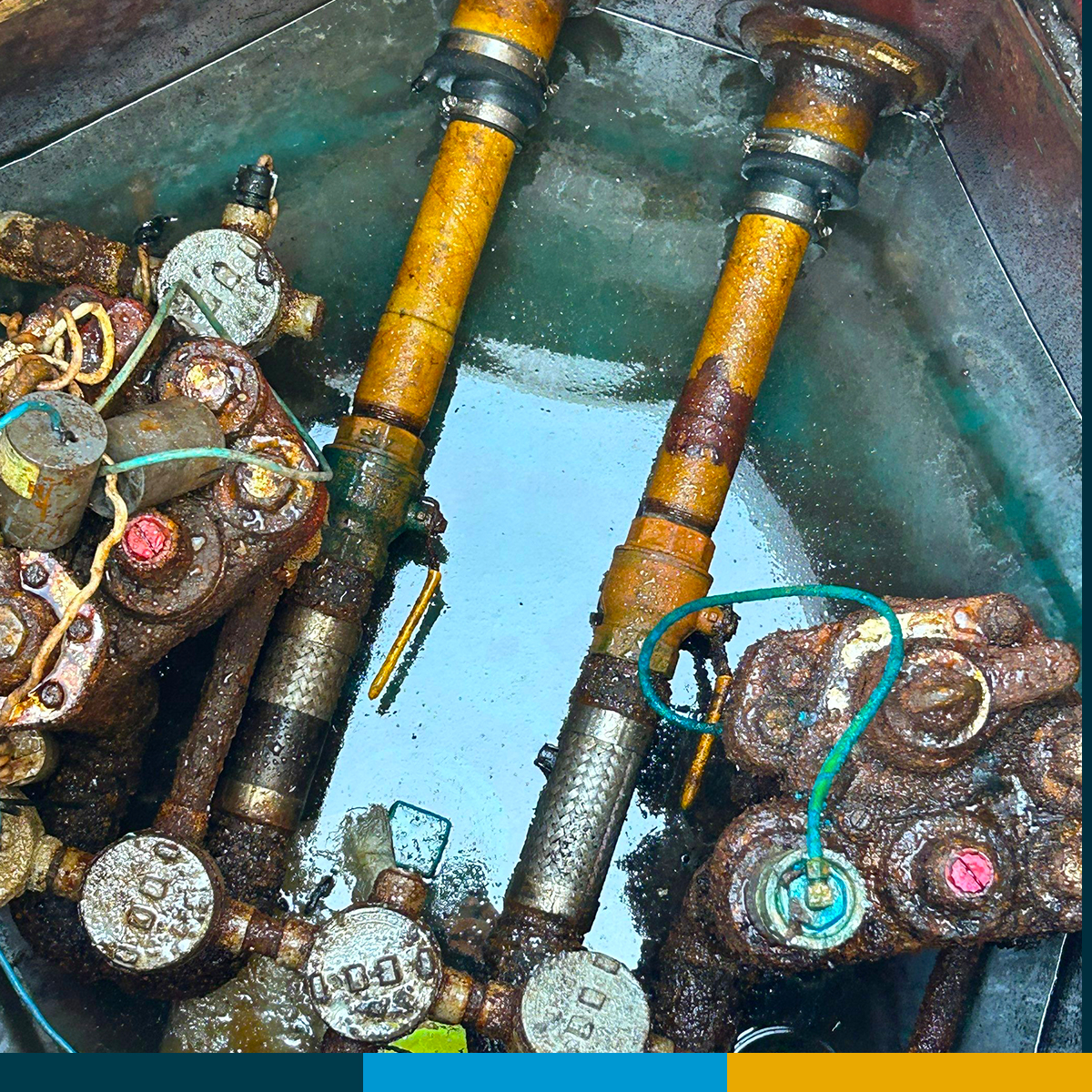
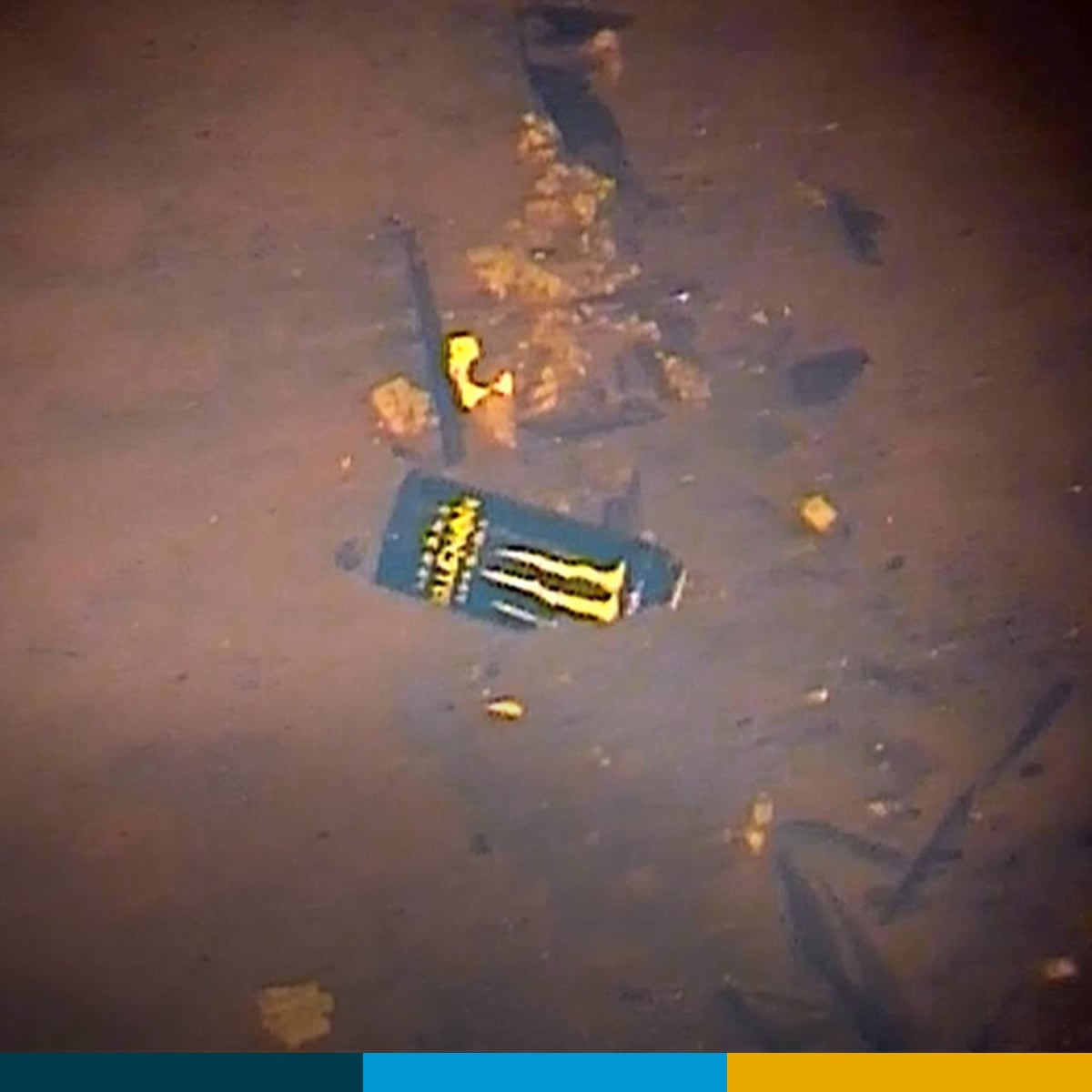
3. Containment sump and spill bucket inspection records. Periodic inspections of secondary containment are required in most jurisdictions. The inspector wants to see the inspection log, condition notes, and any liquid findings.

4. Cathodic protection records. If you have steel tanks or piping with cathodic protection, the inspector wants documentation of the most recent test and that the protection is operating within spec.

5. Walkthrough inspection logs. Monthly or 30-day walkthrough inspections are required in many states. The inspector wants a clear log, signed and dated, that shows the inspections are actually happening.

6. Operator training records. A and B operator training documentation, including dates and any required refreshers, needs to be current and on file.

7. Service and repair records for compliance-critical equipment. Recent service paperwork on tanks, lines, dispensers, and monitoring equipment helps the inspector confirm that issues found in past tests were resolved.

Most operators have most of these. The problem is rarely that the records do not exist. The problem is that they are scattered, incomplete, or stuck in someone's email.

3. The "Where Is It" Test

Here is a useful exercise. Sit at your desk and try to produce, in five minutes, the most recent ATG monitoring summary and the most recent line leak detector test result for one specific site. If you can, you are in good shape. If you have to call three people or dig through an email archive, you have just identified the same problem the inspector is going to identify.

Inspectors do not just want the records to exist. They want them produced reasonably quickly. A site that can produce documentation on request looks like a well-run site. A site that takes forty-five minutes to find a single report does not, regardless of what the actual operation looks like.

4. Common Gaps and How to Close Them This Week

The gaps that show up in mid-year inspections are usually predictable. Operators who walk their records in June find the same handful of issues:

  • Walkthrough logs that stop in March and pick up again in May
  • Line leak detector tests done on time but the report is missing
  • Spill bucket inspections logged but no condition notes
  • Cathodic protection tests overdue by a quarter
  • Operator training current for one person but not for the backup operator
  • Service records for last fall's repair but no closeout from the technician

None of these are emergencies. All of them are fixable in a normal work week. None of them are fixable on the day of the inspection.

Check local and state requirements for UST recordkeeping in your area. Required intervals, retention periods, and forms vary widely by jurisdiction.

5. What to Do This Week

WHAT TO DO THIS WEEK:

For each site, pull the seven records categories above. Confirm each one exists, is current, and you can produce it in under five minutes.

Mark any record that is missing, outdated, or stored somewhere only one person can access.

Schedule any overdue tests or recordkeeping items now, before the inspection schedule fills.

Make sure walkthrough logs are signed and dated through the current month.

Confirm operator training is current for both the primary and the backup operator at each site.

Keeping Your Site Running Through Inspection Season

The operators who get through mid-year inspections without trouble are not the ones with the most equipment or the biggest staff. They are the ones whose records are organized in a way that survives someone calling and asking for a specific report on a specific tank on a specific date.

The June walk does not have to be elaborate. It just has to actually happen. A few hours now, spread across a couple of sites, saves significantly more than a few hours dealing with a notice of violation in August.

If you would like a qualified set of eyes on your compliance records before the inspection cycle ramps up, contact United Uptime Services to schedule a mid-year compliance walk at your sites.

Frequently Asked Questions

Why are so many UST inspections in summer?

Field work is easier in warmer months, technicians are more available, and many state agency calendars line up with fiscal cycles that push inspections into July through September. The result is that mid-year is when the majority of inspections happen in many states.

How long should I keep UST compliance records?

Retention periods vary by record type and jurisdiction. Most operators keep ATG monitoring summaries, line leak detector results, and walkthrough logs for at least three years, and many keep them longer. Check local and state requirements for your area.

What is the most common reason operators fail mid-year inspections?

Missing or incomplete documentation, not broken equipment. The equipment is often fine. The records of how the equipment has been maintained are what comes up short.

Do operator training records really need to be current?

Yes, and many operators get caught here. A and B operator training expires on a defined schedule and inspectors pull these records routinely. Confirm both primary and backup operator training is current at every site.

What is a walkthrough inspection log?

It is a record of the monthly or 30-day site walkthroughs that most jurisdictions require. It documents that someone walked the site, checked the items required by the jurisdiction, and noted any findings. Inspectors want to see this log signed, dated, and continuous.

The Parts Your Customers Touch Every Day Are Telling You Something

5 min read

The Parts Your Customers Touch Every Day Are Telling You Something

Nozzles, hoses, breakaways, swivels. Your customers grab them hundreds of times a day. They are the most visible, most abused, and most overlooked...

Read the Full Article
Your Line Leak Detector Might Not Be Doing Its Job

5 min read

Your Line Leak Detector Might Not Be Doing Its Job

Your ATG runs a line leak test every time the pumps shut off. But when was the last time anyone confirmed the results were accurate, or even reviewed...

Read the Full Article
Why Your Vapor Recovery System Has Opinions in July.

5 min read

Why Your Vapor Recovery System Has Opinions in July.

July rolls in. The inspector schedule starts filling up. Somewhere across your sites, a vapor recovery boot has gotten just a little too soft in the...

Read the Full Article