5 min read
The Mid-Year Compliance Walk. Seven Records to Verify Before July Audits.
Late June. The inspector schedule for July is already filling up. You know they are coming. You think you are ready. You will probably find out in...
5 min read
United Uptime
:
Updated on August 17, 2026
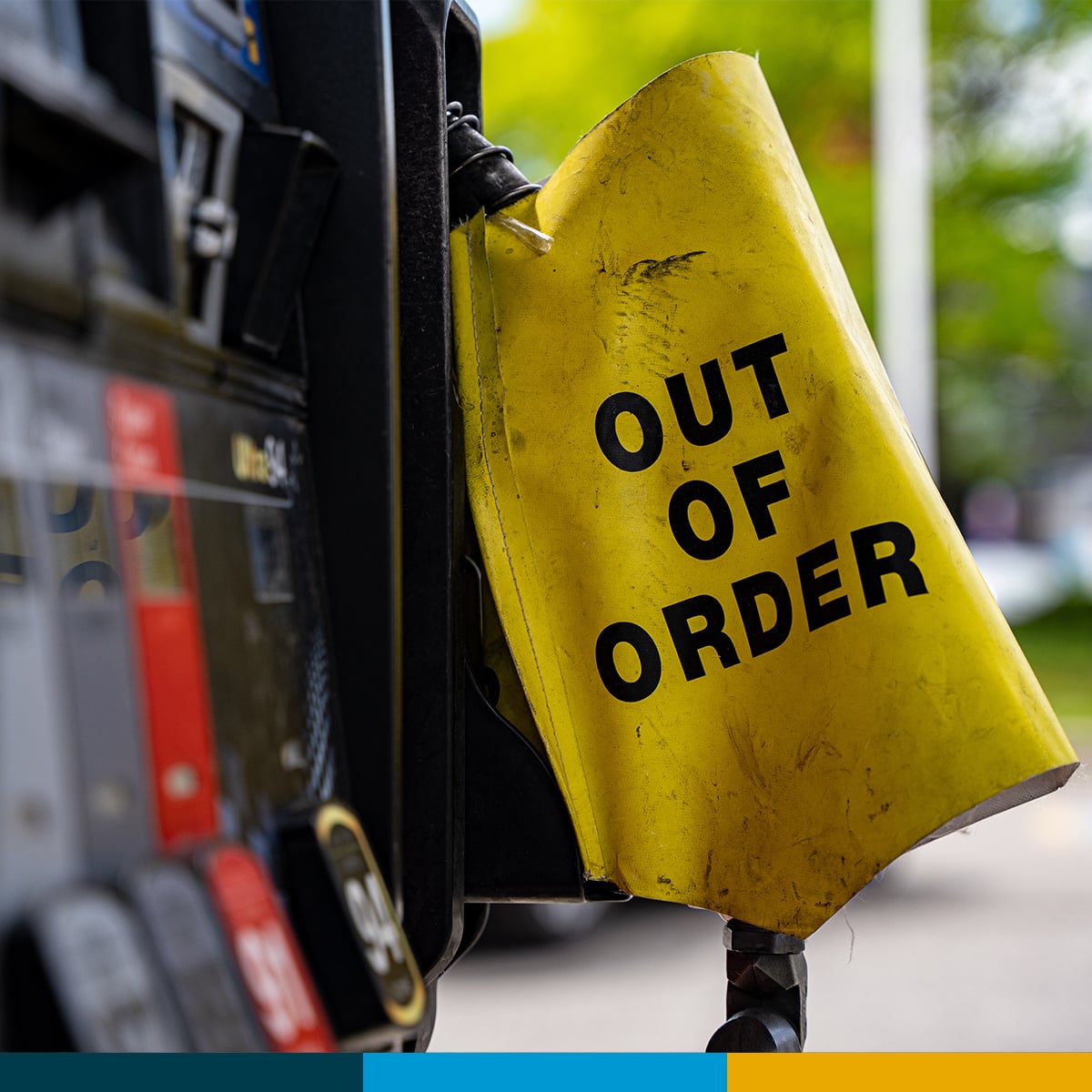
The regional ops director had a binder full of vendor promises and a dispenser that had been out of service for nine days. Three phone calls in, nobody could tell her which part was on order, who had authorized it, or when a tech was coming back. The network she signed looked great in the pitch deck. It just could not answer a simple question: what is happening with my site right now?
Most multi-site operators do not choose a repair network on a bad day. They choose one in a conference room, months before the first real test. By the time the test arrives, the contract is signed and the switching costs are real.
That is why the vetting conversation matters more than the pitch. The good news: you do not need inside knowledge to vet fueling system repair services well. You need a short list of questions that force specific answers, and the discipline to walk away from vague ones.
This guide is written around criteria, not company names. Bring these questions to any provider you are considering, including us.
A repair network is a claim about consistency: the promise that site forty gets the same quality as site four. Test that claim directly.
Ask for three references running a footprint like yours, in your states, with your equipment mix. Then ask each reference the same two questions: what happens when a call does not go well, and how did you find out?
The industry talks a lot about partnerships and capability announcements. Treat announcements the way experienced operators treat any press release: as an intention, not a fact. What matters is whether the provider can name customers who see the capability working in production today.
A capable network is easy to recognize: it answers specific questions with specific answers, and it shows you the record instead of describing it.
If you only have time for one hard question, make it this one: on an active work order, tell me what parts were used, what is on order, and what is required for return.
Parts are where repair relationships quietly fail. A dispenser that waits two weeks for a board is out of service for two weeks, no matter how fast the first truck rolled. And a network that cannot show you the parts trail mid-job leaves you reconciling invoices against memory.
What good looks like:
Every provider says their techs show up prepared. The vetting question is how.
Ask what information the dispatcher collects before the truck rolls: make, model, error codes, recent service history at that site. Ask whether techs can see the site's file before arriving. Ask what happens when the first visit cannot finish the job: who communicates the plan, and where is it written down?
A second visit is sometimes unavoidable. A second visit that starts from zero is a process failure. The difference between the two is documentation.
National coverage is easy to print on a slide. Ask the question that makes it concrete: here are our three hardest sites, name who covers each one.
Follow-ups that separate real coverage from a subcontractor directory:
For multi-site operators, every repair is also a records event. A leak detector replacement, a shear valve repair, or a sump fix can all surface in your next inspection. If the work is not documented, you inherit the gap.
Ask any network you are vetting: after a compliance-adjacent repair, what exists in my file? Who can pull it during an inspection, and how fast?
When an inspector asks what happened at a site, the answer should be a document, not a phone call to a vendor.
This is where documentation stops being an administrative preference and becomes a defense. Test results, calibration forms, and repair records that live in your portal are records you control.
Here is the standard we think any operator, on any network, should hold their provider to. After work is completed, documentation is uploaded to your portal, including Tech Notes, Photos, Required Documents, and parts detail, including what was used and what is required for return.
Walk through a sample closeout package before you sign. If a provider cannot show you one, you have learned what their answer will look like after the invoice, too. The same standard applies to project work like dispenser replacements and POS upgrades, where the site file is the whole game.
WHAT TO DO THIS WEEK
1. Pull your last five repair invoices. For each one, try to answer: what parts were used, and was anything returned for warranty credit?
2. Pick your hardest site and write down who serviced it last, and how long the equipment was out of service.
3. Draft your vetting question list from this guide before the next renewal conversation, not after.
The point of vetting is not to win the negotiation. It is to find out, before the bad day, whether a network can keep your equipment earning and your records defensible. The providers worth signing are the ones who welcome the hard questions, because they already have the answers written down. Your equipment is already telling you which questions to ask first.
If you are comparing fueling system repair services across a multi-site footprint, or you want to see what a closeout package with tech notes, photos, required documents, and parts detail actually looks like, United Uptime Services can help. Contact us to walk through a sample site file and how documentation lands in your portal.
What should I ask a fueling repair company before signing a service agreement?
Ask for references running a similar footprint, a walkthrough of a real closeout package, the parts trail on an active work order, exactly who covers your hardest sites, and what documentation lands in your file after a compliance-adjacent repair.
How do I know if a repair network can actually cover all my locations?
Run the map test: name your three hardest sites and ask who shows up at each, whether they are employees or subcontractors, and what the escalation path is for specialty work. Then verify state licensing. Check local and state requirements for each state you operate in.
Why does the parts detail matter so much on repair invoices?
Parts are where money and time leak. Without a record of what was used, what is on order, and what is return-eligible, you cannot reconcile invoices, chase warranty credit, or explain why a dispenser sat out of service waiting on a component.
What documentation should exist after a fueling equipment repair?
Tech notes describing what was found and done, photos, any required compliance or testing forms, and parts detail. For multi-site operators, that package should be uploaded to your portal so your team can pull it during an inspection without calling the vendor.
Is a big national repair network always better than a regional one?
Not automatically. Size adds coverage, but the vetting questions are the same: proof of consistent work, a visible parts trail, real state-level qualifications, and documentation you control. A smaller network that answers those well can outperform a bigger one that cannot.
5 min read
Late June. The inspector schedule for July is already filling up. You know they are coming. You think you are ready. You will probably find out in...
4 min read
The quote request seemed simple: replace four aging dispensers. Then the questions started. What model are the current units? Single-phase or...
5 min read
The mail comes in with the fuel invoices and a plain envelope from the state. Inside is a Notice of Violation from your last inspection. There is a...