4 min read

Replacing Dispensers or Upgrading Your POS? Here Is How a Turnkey Upgrade Should Work.

Replacing Dispensers or Upgrading Your POS? Here Is How a Turnkey Upgrade Should Work.

The quote request seemed simple: replace four aging dispensers. Then the questions started. What model are the current units? Single-phase or three-phase power at the island? When was the conduit last touched? Is the POS integrated with the tank gauge? Here is the thing most operators are never told: answering those questions should not be your job. It should be your service partner's.

A lot of fuel sites are heading into upgrade decisions right now. Payment requirements keep moving, dispenser electronics age out, and POS platforms reach end of support whether the site is ready or not.

The difference between an upgrade that goes smoothly and one that drags is usually not the equipment. It is whether anyone documented the site accurately before the work was scoped. At the sites we serve, that documentation is our work, not yours.

Key Takeaways

  • Upgrade projects stall on unknowns. The fix is a documented site, and documenting it is your service partner's job, not yours.
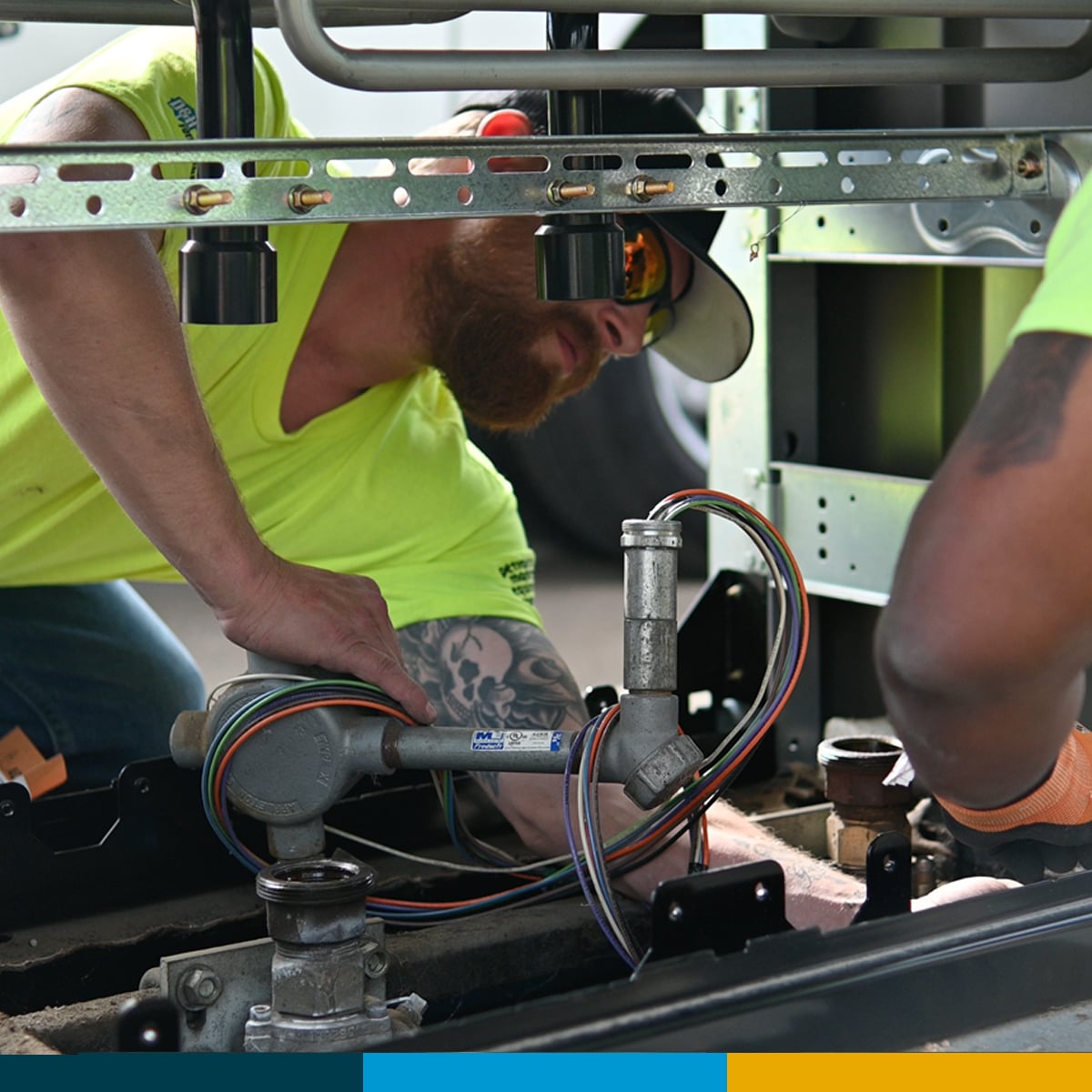
  • A turnkey upgrade starts with a site visit. Our team photographs and records the equipment, power, piping, and integrations before anything is quoted.
  • Permits, code requirements, and post-installation testing vary by state. A turnkey partner identifies and carries them so you do not have to become the expert.
  • The questions you ask any contractor still matter. Who walks the site, who pulls permits, and what closeout includes separate partners from vendors.
  • When the job closes, complete documentation comes back to you, so the next project starts from records instead of memory.

1. Why Upgrade Projects Stall Before They Start

Most upgrade headaches trace back to the same root: the work was scoped against memory instead of records.

The dispenser swap that was supposed to take a week finds undocumented wiring under the island. The POS upgrade discovers the tank gauge integration nobody mentioned. The remodel uncovers piping that does not match any drawing on file. Every one of those surprises becomes a change order, a parts delay, or a return visit, and every return visit is more lost selling time.

None of that should be the operator's problem to prevent. It is the estimator's, and preventing it starts before the quote.

2. What a Turnkey Partner Documents Before Quoting

When an upgrade conversation starts, the first step is not a price. It is a site visit. Our team walks the lot and builds the record the project will be scoped against:

  • Equipment inventory. Make, model, and serial number for every dispenser, the tank gauge console, the POS, payment terminals, and submersible pumps, with photos of each unit and its data plate. Pictures tell the best story.
  • Power and wiring. The panels serving the islands, conduit condition, and what past electrical work actually looks like, not what anyone remembers.
  • Tanks and piping. Age, materials, capacity, and layout, including flagging where as-built drawings do not exist so nothing is assumed.
  • The integration map. What talks to what: POS to tank gauge, POS to payment network, car wash controller, loyalty. This is where upgrade quotes go wrong most often, because integrations are invisible until they break.
  • Service history patterns. Repeat issues on a position tell an estimator something important about what is underneath.

A documented site lets us price your project instead of pricing our risk. That is the whole difference between a tight quote and a padded one.

WHAT TO EXPECT:

Before we quote a dispenser replacement or POS upgrade, expect us on your lot. If a quote for major equipment ever shows up without anyone having walked your site, that is the first thing to question, from any vendor.

3. Permits, Requirements, and Testing Are Ours to Carry

Dispenser and POS projects touch regulated systems. Depending on your state, that can mean permits before work starts, testing after installation, and updated records for your next inspection.

A turnkey partner identifies the requirements for your jurisdiction, pulls the permits, schedules the required testing, and files the paperwork the project generates. You should not need to learn your county's permitting process to replace your own equipment. Requirements vary widely by state and county, and part of the service is knowing yours.

4. Questions That Sort Partners From Vendors

Whoever you invite to quote, the questions you ask reveal how they work. A few worth asking every time:

  • Will you walk the site before quoting, or price it from a phone call?
  • Who pulls the permits, and have you worked with this county or state program before?
  • What does your closeout documentation include, and when do I receive it?
  • How do you communicate parts status: what was used, what is on order, and what is required for return?
  • Who is my point of contact during the project, and how do I reach them when something changes?

A contractor with good answers to these questions has systems behind the truck. A contractor who waves them off is telling you how the project will feel in week three.

5. What Comes Back to You When the Job Closes

The end of an upgrade project is a documentation event, not just a ribbon cutting. When the last tech leaves, you should receive:

  • What was installed, with makes, models, and serials
  • Photos of the finished work, including what is under the covers
  • Tech notes describing what was found and what was done
  • Required documents, including any compliance and testing forms your state expects
  • Parts detail, including what was used and what is required for return
  • An updated record of your site, kept current as part of the service

Delivered digitally, in a form you can pull up during an inspection or the next planning conversation. The next project starts from records instead of memory, and keeping those records is our job, not homework we leave behind. For a deeper look at what a strong closeout package shows you, see our guide to closeout documentation.

Your Only Job: Start the Conversation Early

Upgrades are disruptive by nature. What shortens the disruption is scoping against a documented site, and what makes the whole thing painless is a partner who owns the documentation, the permits, the testing, and the paper trail from the first walk to the last form.

If your dispensers are aging out or your POS is approaching end of support, the best time to talk is before the timeline gets urgent. Contact us and we will schedule the site visit, document the current state, and bring you a plan, permits and paperwork included.

Frequently Asked Questions

What information is needed before quoting a dispenser replacement?
Current equipment makes and models, power configuration at the islands, piping type, POS integration details, and service history that shows repeat issues. At United Uptime Services, our team gathers all of it during a pre-quote site visit so you do not have to.

Why did my POS upgrade quote come back so much higher than I expected?
Often because the estimator priced in unknowns: undocumented integrations, unclear wiring, or missing site drawings. A site visit removes the unknowns, which is why we walk the lot before we price the work.

Do I need permits to replace fuel dispensers at my gas station?
In many jurisdictions, yes, and some require post-installation testing as well. Requirements vary widely by state and county. A turnkey partner identifies and pulls the permits for you. Whoever does your work, confirm in writing which party owns permitting.

What should I get from the contractor when an upgrade project is finished?
A closeout package: what was installed with serials, photos, tech notes, required compliance and testing forms, and parts detail. If your service partner keeps your site records current as part of the service, the next project starts miles ahead.

Why Fuel Dispensers Go Offline: 5 Patterns Techs See Every Week

4 min read

Why Fuel Dispensers Go Offline: 5 Patterns Techs See Every Week

It is Saturday morning, your busiest window of the week, and dispenser 4 is wearing a bag again. Same dispenser as last month. The repair got made,...

Read the Full Article
Fuel Theft Is Up. Here Is How Smart Operators Are Protecting Their Sites.

5 min read

Fuel Theft Is Up. Here Is How Smart Operators Are Protecting Their Sites.

Your inventory reconciliation comes in for the week and the variance is bigger than it should be. Not huge. Not enough to make you call anyone. Just...

Read the Full Article
When the Work Is Done: What Closeout Documentation Should Show You

3 min read

When the Work Is Done: What Closeout Documentation Should Show You

The work is done. The technician's truck is pulling out of the lot. Your dispenser is running, your alarm is cleared, your sump is dry. And then a...

Read the Full Article