5 min read
Your Line Leak Detector Might Not Be Doing Its Job
Your ATG runs a line leak test every time the pumps shut off. But when was the last time anyone confirmed the results were accurate, or even reviewed...
3 min read
United Uptime
:
Updated on May 18, 2026
Bad fuel almost never announces itself in a way that gives you a head start. By the time a customer calls back about a stalled vehicle, the fuel has been pumping for a while. The good news is, there are visible and operational signs that show up earlier, and the operators who learn to read them catch problems weeks before customers do.
This is a plain-language walk through the early signs of a fuel quality issue, what they likely mean, and what to do when you see them.
Fuel quality problems are rarely just a fuel problem. They become a vehicle problem, then a customer service problem, then a reputation problem. The cost of catching it in your tank is small. The cost of catching it in your customers' vehicles is not.
The earlier you see it, the more options you have. The later you see it, the fewer.
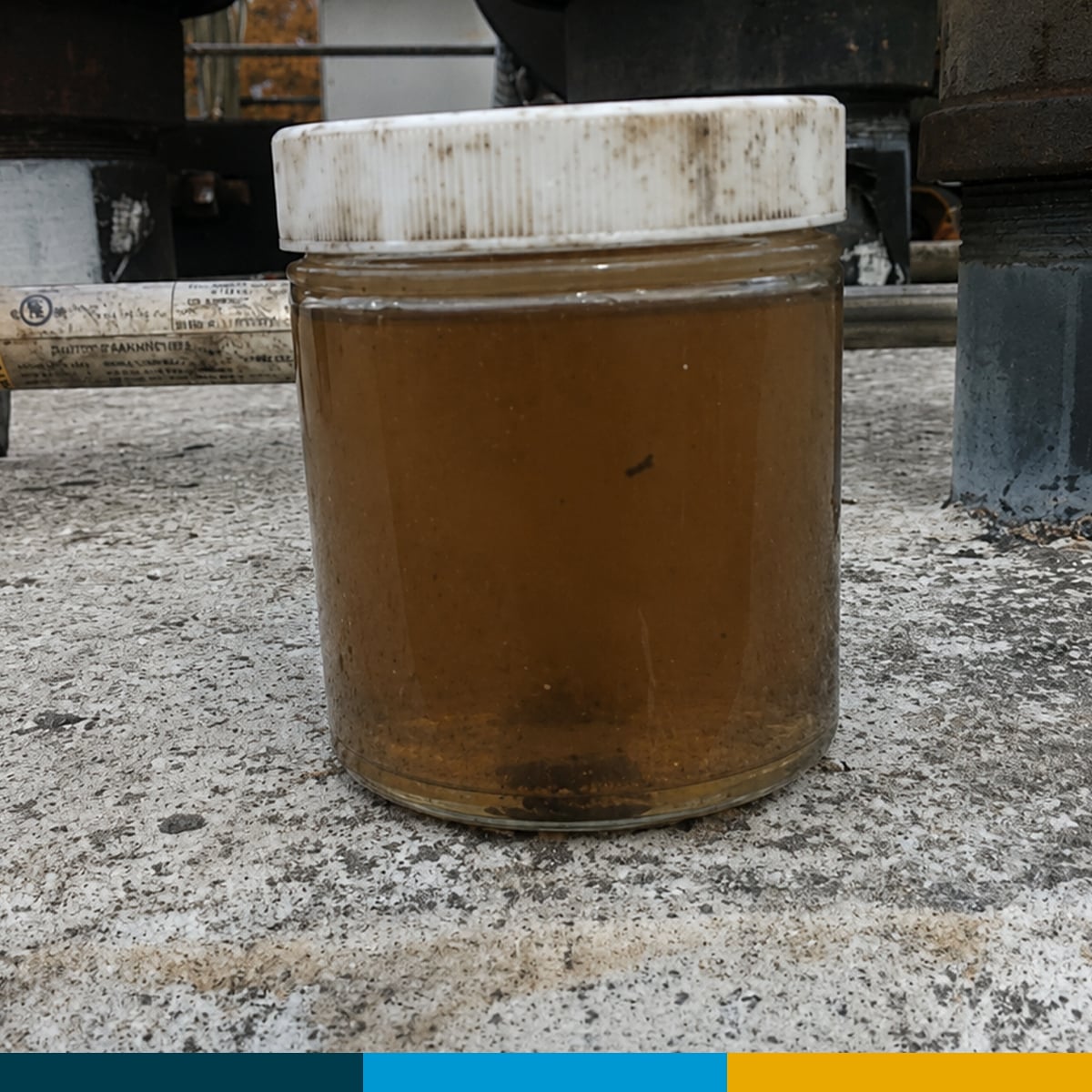
If you pull a sample from your tank and look at it in good light, healthy diesel is clear to pale yellow. Healthy gasoline is clear with a slight color from the dye, and it should look like itself, not like a milkshake.
Common warning signs you can see:
None of these by themselves are a diagnosis. They are signals. They tell you a closer look is justified.
WHAT TO DO THIS WEEK:
Pull a clean sample jar and a tank dipstick or sampling kit. Make sample-checking a part of your weekly routine. The first time you spot something off, you will be glad it was on a routine and not on a customer call.
You do not always have to see the fuel to suspect a problem. The dispensers and the equipment will tell you, if you pay attention.
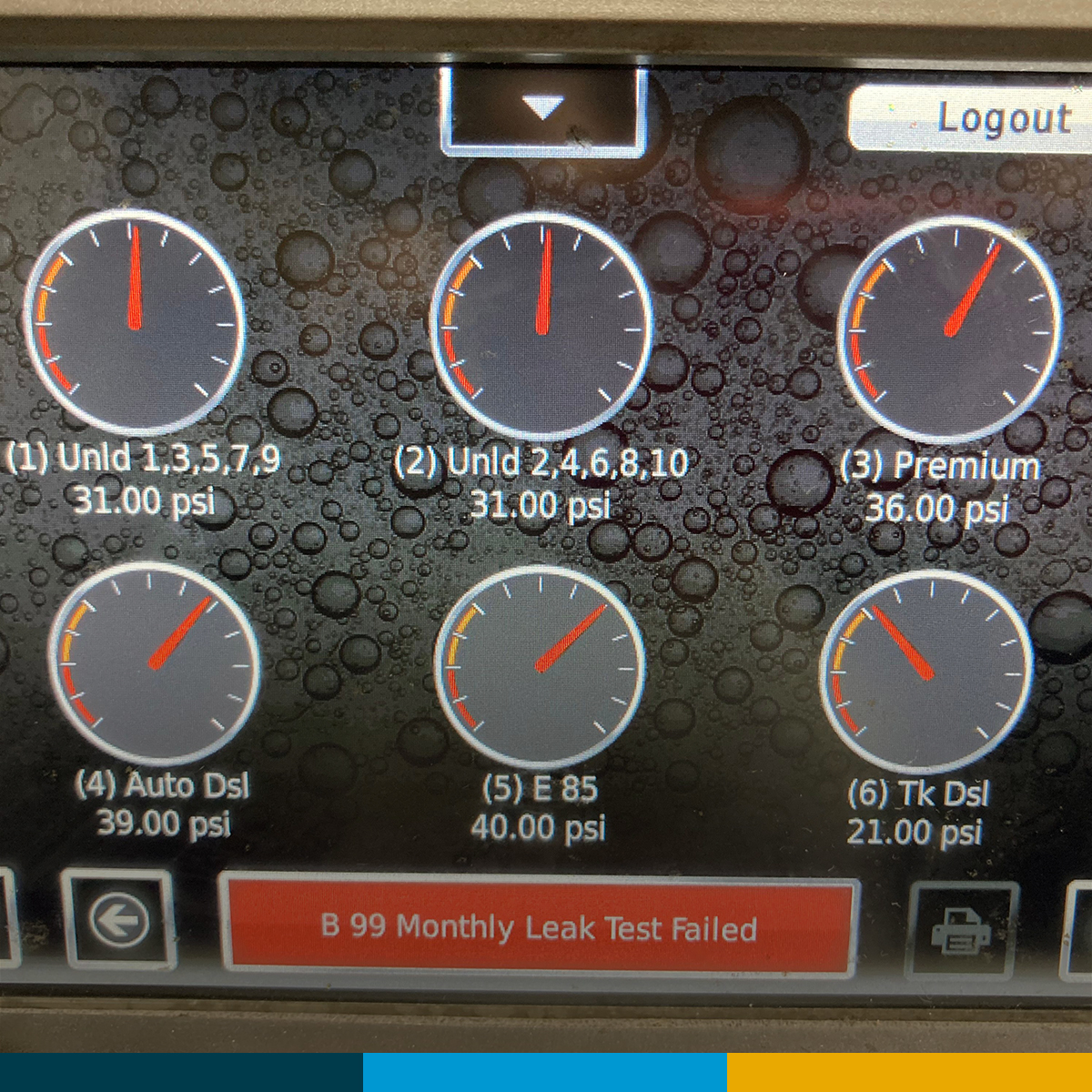
Patterns that point at fuel quality:
None of these is conclusive in isolation. Together, they form a story.
Step one is documentation. Note what you saw, when, where, and at what level in the tank.
Step two is to stop the spread of the problem. If a single grade looks suspect, consider taking that grade out of service while you investigate. A short interruption is far better than putting questionable fuel into customer vehicles.
Step three is to bring in a service partner who can sample, test, and identify what you are dealing with. Visual inspection tells you something is off. A lab tells you what.
Step four is to address the root cause. Was water entering through a fill cap, a sump, or condensation? Was the previous load already off-spec when it arrived? Was filtration overdue? The cleanup is short-term. The fix is what keeps it from happening again.
The fuel that is most dangerous is sometimes the fuel that looks fine. Dissolved water and microscopic particulates can cause real problems while a sample looks clear in a jar. Periodic professional testing is the way to catch what the eye cannot.
If your site has had quality issues in the past, you already know this. If it has not, the recommended posture is still routine sampling and a periodic deeper check, not waiting for the first complaint.
When a fuel quality issue is suspected, identified, or ruled out, the records should reflect what was found, what was done, and what was used. After a cleanup or remediation, you should walk away with:
This is the kind of clear closeout that makes the next inspection or audit straightforward.
WHAT TO DO THIS WEEK:
Find your last fuel quality service record. If you cannot find one, that is itself the answer. Build a baseline now so the next time something changes, you can show what changed.
Fuel quality is one of those areas where the operators who pay attention week after week build an instinct for what their site looks like normally. That instinct is what catches the early signs. The rest is process: sample, document, escalate when the signs say to, and keep records that tell the story.
If you would like help building a fuel quality routine for your site, our team can work through it with you. Reach our team at our contact page.
Check local and state requirements for any fuel quality, sampling, or reporting rules that apply to your area.
5 min read
Your ATG runs a line leak test every time the pumps shut off. But when was the last time anyone confirmed the results were accurate, or even reviewed...
5 min read
If you operate a high-flow truck diesel site, the math on raising your biodiesel blend usually starts with the price spread. When biodiesel and...
3 min read
The storm passes. The lights come back on. Customers start pulling in. And somewhere on your forecourt, a small thing is starting that will turn into...