5 min read

Going Above B10: What to Check Before Increasing Your Biodiesel Blend

Going Above B10: What to Check Before Increasing Your Biodiesel Blend
Biodiesel Blend Transition Checklist | United Uptime Services
7:49

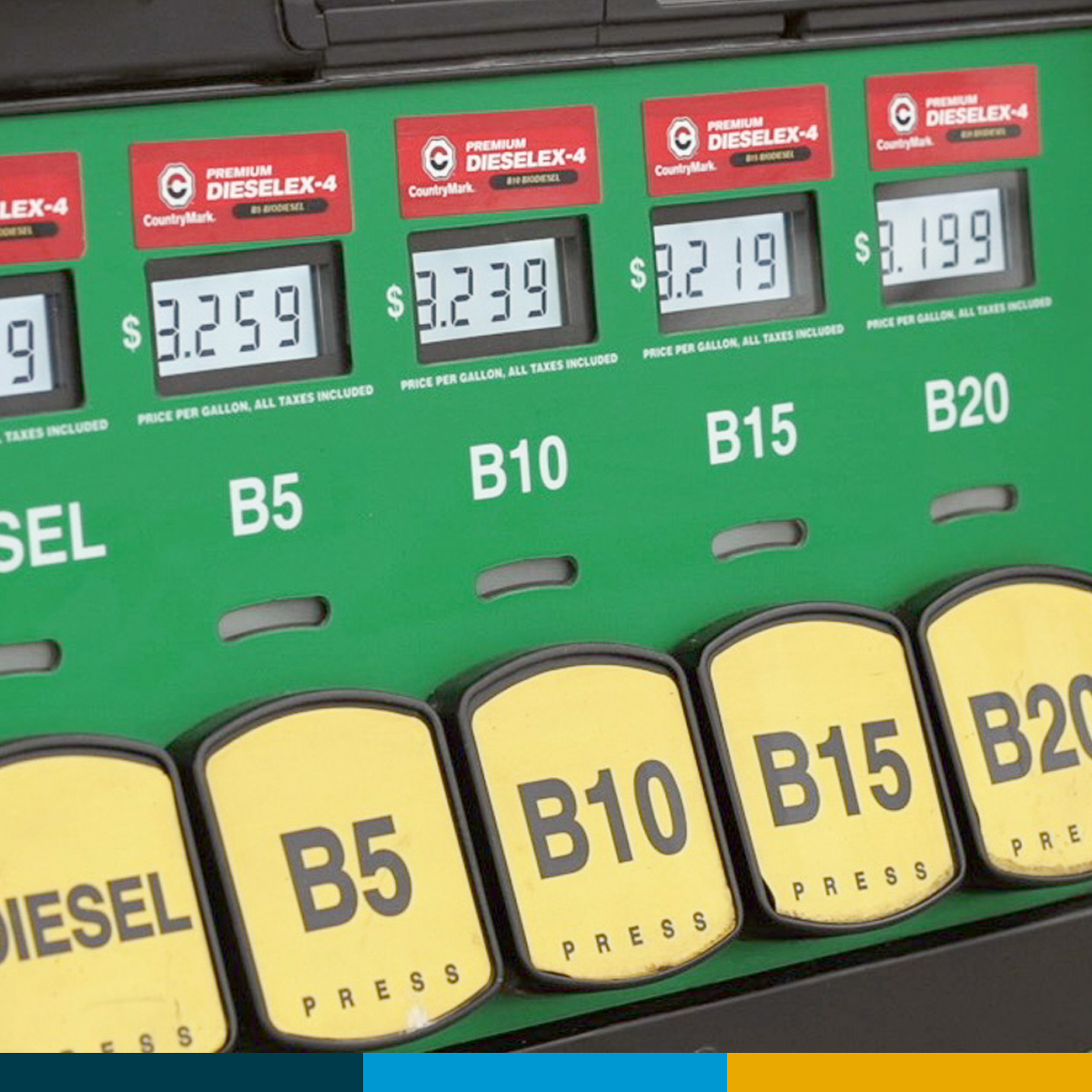
If you operate a high-flow truck diesel site, the math on raising your biodiesel blend usually starts with the price spread. When biodiesel and petroleum diesel diverge enough, B20 can deliver a real cost advantage per gallon, and blender-side credits can stretch it further. The issue is the savings only show up if your equipment, your tank, and your operation are ready for the change.

This is a plain-language walk-through of what to check before you raise your blend, so the savings you were planning on actually land. It is not a guarantee of any outcome. It is a checklist of the things that quietly cost you the advantage you came for.

1. Why This Matters Before You Make the Change

The reason most retailers consider raising the blend is the cost. When the spread between biodiesel and petroleum diesel pencils out, B20 can move more margin per gallon than B5 or B10, and blender-side credits can add to that. That is the upside, and that is why this conversation is on your desk in the first place.

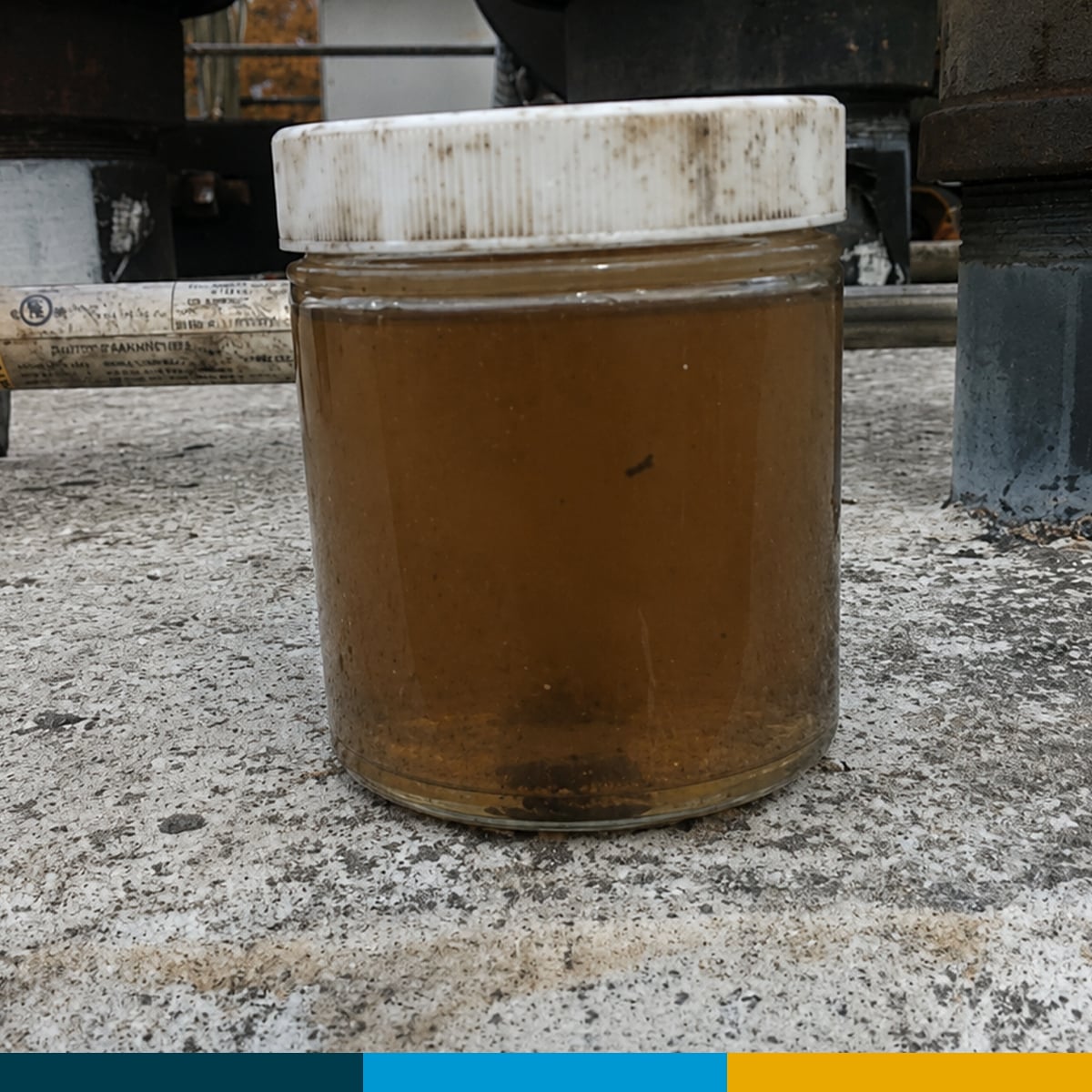
The downside, when it shows up, comes from the operation, not the fuel. A higher biodiesel blend will do something a lower blend has not been doing in your tank: it will loosen the sludge, varnish, water bottoms, and fine particulates that have been resting on the bottom for years. That material heads straight for your filters. If your filters cannot keep up, flow rates fall at the dispenser, pumps work harder, and the per-gallon savings you were going to capture at the wholesale level get spent on lost selling time and emergency service calls.

Equipment compatibility for B6 to B20 is generally similar to conventional diesel. The operating conditions are what change. Cold flow, water management, fuel quality, and filter inventory all need a closer look. The sites that prepare keep the savings. The sites that do not, do not.

WHAT TO DO THIS WEEK:

Confirm in writing the highest biodiesel blend your storage tanks, underground piping, fittings, dispensers, pumps, hoses, and seals are rated for. Tank, piping, and fitting incompatibility is what causes leaks and failures, not just inconvenience, so this part of the list has to come first. If anything is not rated for the blend you are planning, you want to know before the tanker shows up.

2. Confirm Equipment Compatibility, Starting Below the Concrete

The components on a fueling site that touch fuel are not all rated the same. The parts that get the least attention before a blend change are sometimes the parts that matter the most. Tanks, underground piping, and fittings sit below the concrete. If they are not rated for the blend you are running, the failure mode is not inconvenience. It is leaks, contamination, and replacement work that did not have to happen.

Before increasing your blend, get written compatibility ratings from the manufacturers for the blend you are targeting. Work the list from the most consequential to the most routine:

  • Storage tanks (steel and fiberglass) and any internal linings
  • Underground piping, fittings, swing joints, flex connectors, and entry boots
  • Spill buckets, sumps, and containment liners
  • Submersible turbine pumps
  • Dispensers, meters, and hydraulic components
  • Hoses, swivels, nozzles, and breakaways
  • Shear valves
  • Leak detection equipment
  • Gaskets, seals, and elastomers throughout
  • Filters and water-absorbing elements

A note on dispensers: UL listing for biodiesel blends varies by model and by model year, and it has changed over time. Confirm the current UL listing status of your specific dispenser model with the manufacturer for the blend you intend to run. Do not assume parity across brands.

If a piece of equipment was installed years ago and the documentation is gone, ask your fueling systems service partner to verify and document compatibility before any blend change.

3. Inspect and Clean the Storage System

This is the step most often skipped, and it is the one that creates the most short-term pain. Higher biodiesel blends will mobilize whatever has been resting at the bottom of your tank.

Before changeover, your team or your service partner should:

  • Gauge tanks for water bottoms
  • Remove water where present
  • Clean tanks if contamination is suspected
  • Inspect spill buckets and containment areas for water intrusion

If you are not sure what is in your tank, a tank inspection is a low-risk, low-cost step that prevents a high-risk, high-cost problem.

4. Plan for More Filter Changes Than Usual

Plan to change filters at startup of the higher blend, and keep extra filters on site for the first 60 to 90 days. Two indicators tell you the cleanup is happening:

  • Filter differential pressure climbs faster than normal
  • Flow rates drop at the dispenser

This is normal during the cutover. It is also a temporary condition if you have stocked enough filters and you are watching for it. If you are unprepared, this is the period that causes lost selling time.

WHAT TO DO THIS WEEK:

Order extra filters before the blend change, not after. A few hundred dollars of inventory on the shelf prevents a much larger problem at the dispenser.

5. Confirm Fuel Quality at the Source

The blend you receive is only as good as the supplier you receive it from. Ask suppliers to confirm their B6 to B20 product meets ASTM D7467, the specification that covers diesel fuel and biodiesel blends from B6 to B20. Do not assume the spec is being met. Ask for it in writing.

Fuel turnover also matters. If a tank moves slowly, age and water exposure can compound. Match your tank size and load schedule to your actual sales velocity.

6. Monitor the First 90 Days After the Change

The first three months after a blend change are when you find the things you missed. Track these items:

  • Flow rates by fueling lane
  • Submersible pump amp draw or unusual operation
  • Filter differential pressure or restriction events
  • Hose, swivel, and fitting seepage
  • Meter accuracy or calibration complaints
  • Water presence in tanks during gauging
  • Unusual fuel odor, haze, or color

Document what you find, when you find it, and what was done about it. If you bring a service partner in, ask for clear written notes from each visit so the next person who shows up has the full picture.

7. Prepare for Cold Weather

Higher biodiesel blends can have different cold flow behavior than petroleum diesel. Cloud point and cold filter plugging point typically rise as the biodiesel percentage rises. The exact change depends on the feedstock, the base diesel, and the climate at your site.

Before winter, talk to your supplier about additive packages, blend adjustments, or alternative grades that match your local conditions. If your site has had cold weather issues before, address them before you increase the blend, not after.

Check local and state requirements for any seasonal blend or labeling rules in your area.

8. Use the Right Replacement Parts Going Forward

After the change, every replacement seal, gasket, hose, and component should be specified for the target blend, not the legacy blend. This is small in any single transaction and significant over the life of the equipment.

If your service partner orders or installs parts on your site, ask them to confirm in their notes that the parts used are rated for your current blend. This is the kind of detail that pays off the next time an inspector or a corporate auditor asks for documentation.

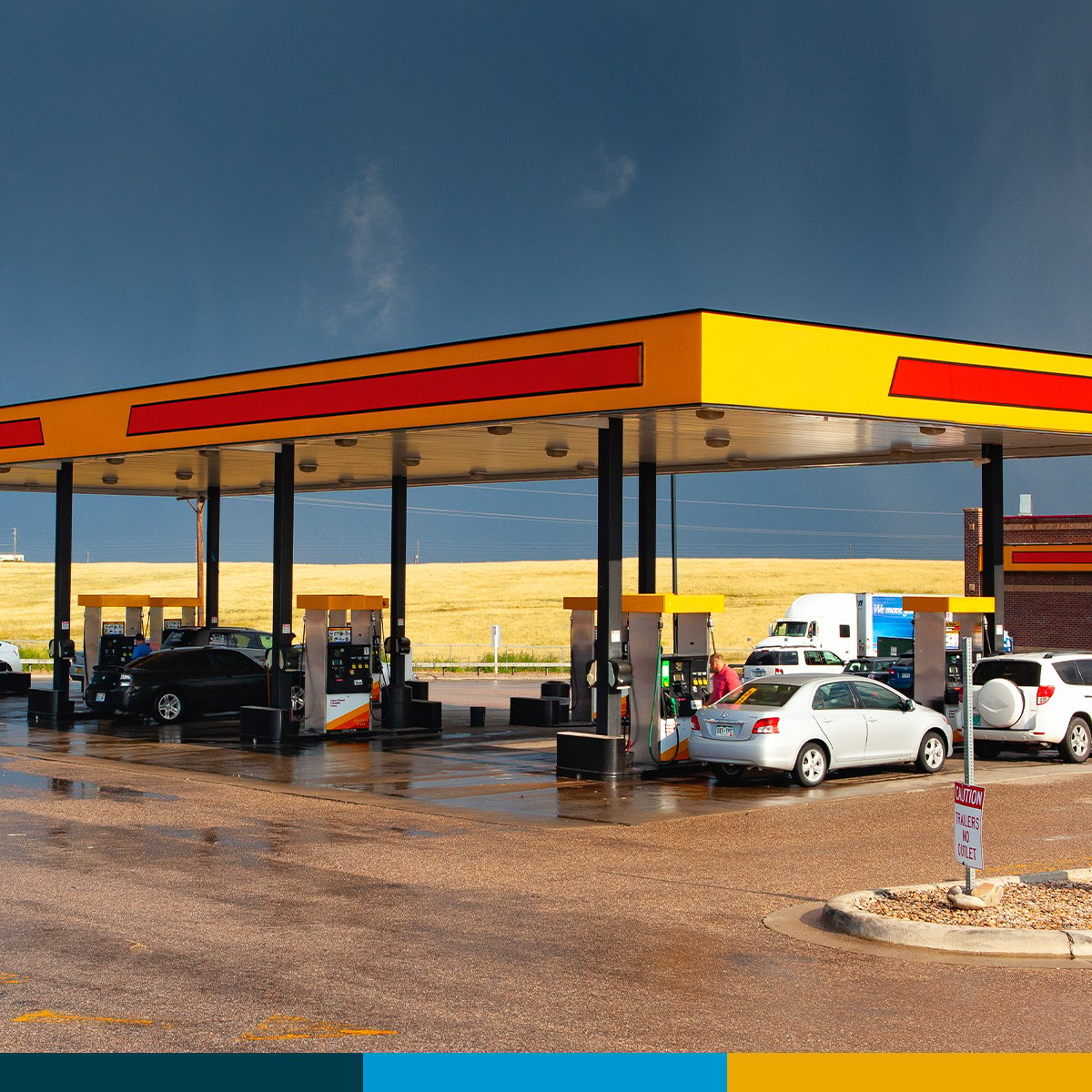
9. A Note for High-Flow Truck Diesel Sites

High-volume truck lanes ask more of filters, pumps, and hanging hardware than retail-only sites. The same contamination or restriction issue that takes a month to show up at a low-volume retail site can show up in days at a high-flow lane.

If your site fits this profile, plan a site-specific transition. Inspection, filter inventory, and monitoring should all be sized for the actual demand on the equipment, not a textbook average.

The Bigger Picture

Increasing a biodiesel blend is a good business decision for many sites. It is also a transition that touches your tank, your equipment, your supply chain, and your operating routines all at once. The sites that come through the change clean are the ones that prepared in advance, and those are the sites that actually keep the spread they came for.

If you would like help with a site-by-site compatibility review, an inspection checklist, or a startup monitoring plan, our team can work through it with you. Reach our team at our contact page.

Check local and state requirements for any biodiesel labeling, fuel quality, or storage rules in your area.

Your Line Leak Detector Might Not Be Doing Its Job

5 min read

Your Line Leak Detector Might Not Be Doing Its Job

Your ATG runs a line leak test every time the pumps shut off. But when was the last time anyone confirmed the results were accurate, or even reviewed...

Read the Full Article
Is Your ATG Talking to You?

3 min read

Is Your ATG Talking to You?

Three Things to Check Before a Small Alarm Becomes a Big Problem. It happens at every fuel site eventually. The ATG starts throwing alarms. Maybe...

Read the Full Article
What’s That Liquid in Your Containment Sump?

4 min read

What’s That Liquid in Your Containment Sump?

4 Things to Check Before a Routine Walk-Through Becomes a Regulatory Problem. You open a sump lid during a routine walk-through and there’s liquid...

Read the Full Article