EV charger energization,
from application to first session.
A passed inspection does not put power in the ground. The utility runs its own application, its own queue and its own field work, and on most commercial EV projects it is the longest phase of the whole build. We file it, stay on it, and keep going until every port has taken a real session.
- Utility application filed and tracked through permission to operate
- Transformer, service and meter work coordinated rather than waited on
- Activation and commissioning finished on every port, not just the first one
47 states
EV charger energization and activation
The build is finished. The power is not.
This is where EV projects lose the most time, and it is the phase operators are least prepared for. The office that approves your drawings and the utility that brings you power are two different organizations with two different queues, and the second one does not start when the first one ends. It starts when somebody files an application.
The utility is not the permit office. A jurisdiction approves what you drew. The utility decides whether the grid at your address can carry what you just built, and what it costs to make up the difference.
This is usually the long pole. On commercial EV projects the utility phase routinely runs longer than design, permitting and construction. Filing early is the only real lever anyone has.
Permission to operate is a real gate. Until it comes back, a finished site is finished equipment with nothing behind it. United Uptime Services files the application, tracks it, and stays on it until the site is energized. Check local and state requirements.
What happens between the signed inspection and the first charging session.
Five steps from a utility application to a site that is actually taking sessions.
-
1
Filed with the design set
Utility application
The number of chargers with their data sheets, the one-line and the site plan go to the utility as soon as the design supports them. We file it. Waiting until the inspection passes is the most common way this phase gets long.
-
2
Utility review
Utility design and cost
The utility works out whether the existing service carries the new load, what transformer or primary work is needed, and what share of it you pay. Make-ready programs, where they exist, get applied here.
-
3
Field work
Service and meter work
Transformer set, service conductors pulled, meter socket installed and the utility crew scheduled. Our work and theirs get sequenced so neither side sits waiting on the other.
-
4
Utility authorization
Permission to operate
The signed inspection record goes to the utility, the account is opened against the right rate schedule, and the utility authorizes the service to be energized.
-
5
Energized
Commissioning and first session
Every port taken through a real charging session on the network account that was activated before power arrived, and nobody calls the site open until the last one passes.
Utility application requirements, cost responsibility, make-ready program availability and energization sequence are set by each utility and vary between them. These are typical phases, not commitments. Check local and state requirements.
What you get when the site is energized.
The paperwork that proves the site is authorized, and the settings that decide how it runs once it is.
The authorization
Permission to operate
The utility's written authorization to energize and use the service, in your records rather than in somebody's inbox. This is the document that separates a finished site from a working one.
The account
Utility account and meter detail
Account number, meter number, service size and the rate schedule the site was set up on, so the first power bill arrives with an explanation attached to it.
The evidence
Commissioning results
Every port taken through a real charging session and recorded, port by port. A site is not commissioned because the screen lights up.
The handoff
Network and access setup
Set up directly with the charger manufacturer, who walks your team through pricing, access rules and the credentials for the people who will actually run the site.
On this page
What the utility needs
01What is energization? 02What the utility needs 03Do we need a service upgrade?Cost, timing and who files
04Who files the application? 05Who pays for the transformer? 06How long does it take?From power on to first session
07What is permission to operate? 08Activation and commissioning 09What happens after?What the utility needs
What is utility energization for an EV charging site?
The step where the utility actually delivers power to the equipment you just built.
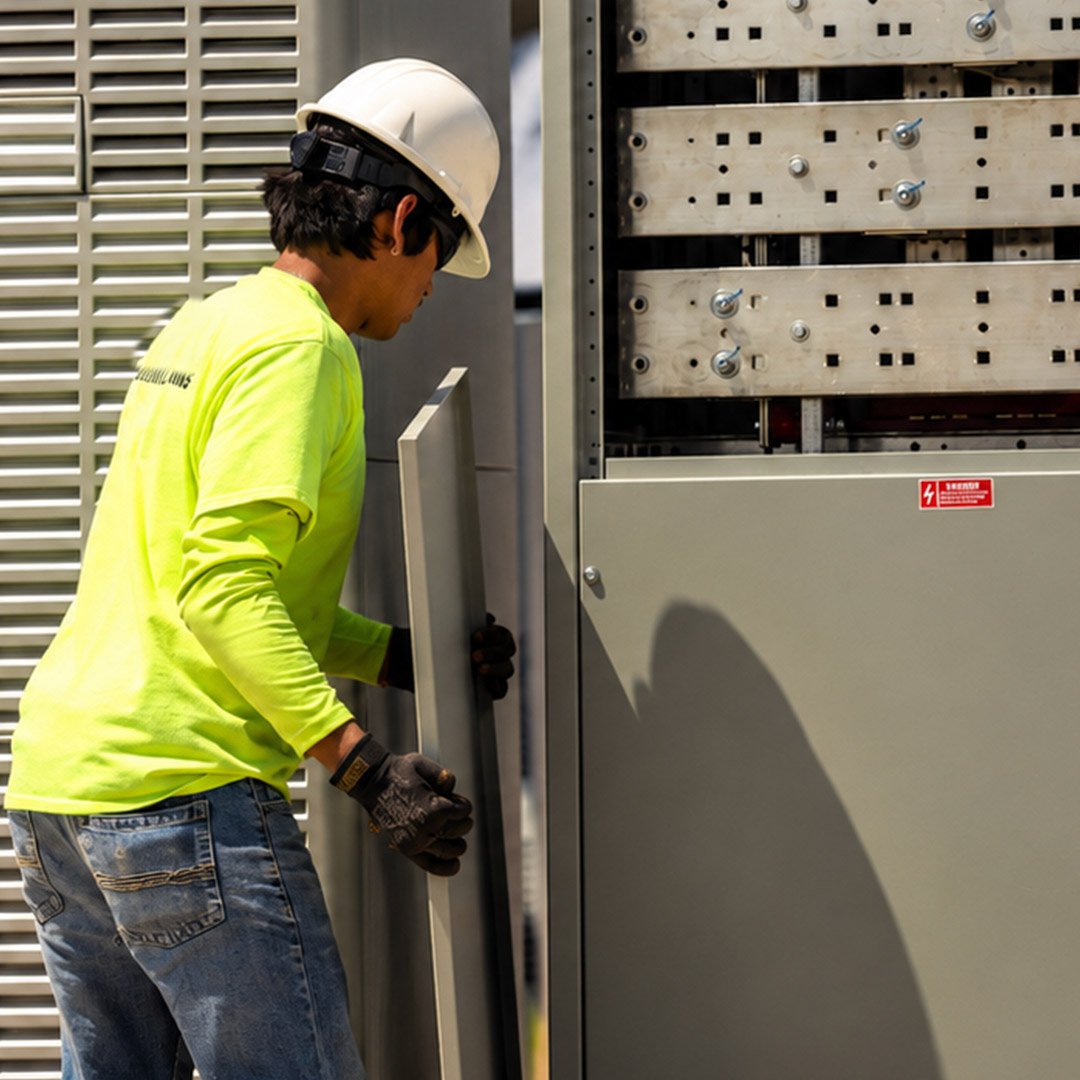
Energization is the point at which the electric utility connects and turns on the service feeding your chargers. It is separate from construction, separate from inspection, and controlled by a different organization than the one that approved your permits. A site can be fully built, fully inspected and completely finished, and still have no power.
For most commercial EV projects this is the phase with the least visibility and the most schedule risk, because the work is happening inside a utility rather than on your site. Check local and state requirements.
What does the utility need before they will energize a site?
An application, the charger count with spec sheets, a one-line and a site plan, at minimum.
Utilities run their own intake, and it is not the permit package. Most want a service application, the number of chargers you are adding with their spec sheets, a one-line diagram, and a site plan showing where the equipment and the service point go. Some want a signed service agreement or an easement before they will design anything.
What they will not move without, in almost every case, is the signed electrical inspection record. That is the link between the two phases, and it is why the inspection sign-off goes to the utility the day it is issued.
Does an EV charging site need an electrical service upgrade?
Often, and it is much better to find out during design than during energization.
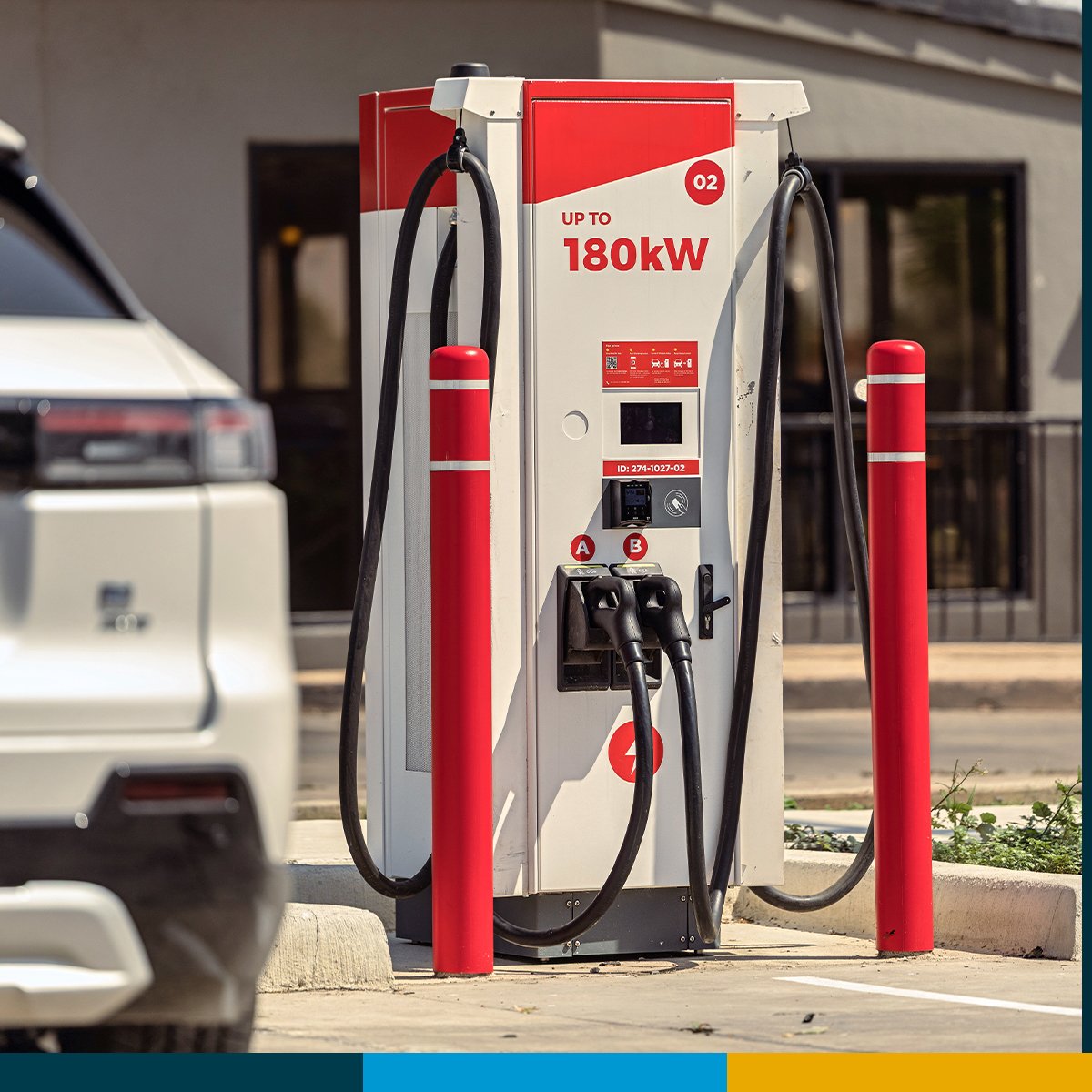
Chargers are a large continuous load, and plenty of commercial sites do not have the spare capacity to carry them. A commercial electrical service upgrade can mean a larger transformer, a new service entrance, a bigger main switchboard, or bringing three phase power to a site that only has single phase. DCFC (DC fast charging) makes it likely.
The load calculation done during engineering is what answers this, which is the practical argument for doing the engineering properly before anything is ordered. A 3 phase power upgrade discovered at energization is an expensive surprise. Discovered at design it is a line item.
Cost, timing and who files
Who files the utility application?
We do. United Uptime Services submits it and tracks it through to permission to operate.
United Uptime Services prepares and submits the utility application for your project, answers the utility's questions, and tracks it through to permission to operate. Where a utility requires the account holder or property owner to be the applicant of record, that signature is collected and handled inside the project rather than handed back to your team as a task.
This phase fails quietly. Nothing breaks and nobody calls. An application sits in a queue for weeks because the utility asked one question and nobody on the customer side knew they were the one expected to answer it.
Who pays for the transformer or the service upgrade?
It depends on the utility's cost allocation rules, and sometimes on a make-ready program.
Utilities have their own rules for splitting the cost of new service between themselves and the customer, usually based on how much revenue the new load is expected to produce against what the work costs them. Some of it may be covered. Some of it may be billed to you as a contribution in aid of construction. Transformer upgrade cost is the line that most often surprises people, because it lands after the design is already committed.
Many utilities and states run EV make-ready programs, and NEVI-funded corridors carry their own, that pay for some or all of the infrastructure up to the charger. These change on their own schedule and are not available everywhere, so confirm what is open in your territory rather than budgeting around a program you read about somewhere else. Check local and state requirements.
How long does utility energization take?
Longer than people expect, and driven by the utility's queue rather than by your project.
This is usually the longest phase of an EV charging project and the one with the least room to compress. What drives it is the utility's engineering queue, whether new equipment has to be ordered, whether any primary work or easement is involved, and how quickly their questions get answered.
The one real lever is filing early. The utility application can and should go in alongside permitting rather than after inspection, because the two queues run in parallel and only one of them is waiting on you. These are typical phases, not commitments.
From power on to first session
What is permission to operate?
The utility's written authorization to energize and use the new service.
Permission to operate, usually shortened to PTO, is the utility's sign-off that the new service may be energized and used. It normally comes after they have the signed electrical inspection record, after their own field work is complete, and after the account is set up against the right rate schedule.
It is worth keeping a copy somewhere findable. Permission to operate is the document that proves the site is authorized, and it is the one people go looking for later when a billing question or an ownership change comes up.
What happens at EV charger activation and commissioning?
Activation claims and configures the chargers before power. Commissioning takes every port through a real charging session after it.
Activation comes first and does not need power: the chargers are claimed into your network or management account, updated to current firmware, and configured with the pricing, access rules and site identity you want. Activation also depends on the manufacturer. Most will not activate a charger until a maintenance package is in place, usually bought for two, three or five years, so that agreement belongs in the project plan rather than in the last week. Commissioning is what happens once there is power: every port is taken through an actual charging session rather than a screen test.
This is what catches the things that only appear under load: a port that authorizes but will not deliver, a payment path that fails, a unit reporting to the wrong site. Finding them now is routine. Finding them from a customer complaint is not.
What happens after the first charging session?
The site is handed over, and it stops being a project and starts being equipment.
Handover is the account credentials, the permission to operate letter, the commissioning results, the as-builts and the utility account detail, given to the people who will actually run the site. Every phase of the project ends up in that one package.
After that the work changes shape. Ongoing maintenance and repair run through the manufacturer’s package, the one activation depended on. What we hand over is the record that package will need.
Where this page sits in the bigger project.
- EV charger energization and activation in 47 states, filed with the utility and carried through permission to operate by the same team that designed and built the site.
- Not served: Alaska, Hawaii, California. We say so before you spend time on scoping.
- We run projects in several states at the same time, so a multi-site rollout does not have to happen one market after another. See all locations
Phase 1
Engineering
Load calculations, the utility application and stamped EV charging station design drawings, settled before anyone breaks ground.
Phase 2
Permitting
The permits your project needs, pulled and filed jurisdiction by jurisdiction, so you never sit in a permit office.
Phase 3
Installation
Trenching, conduit, concrete and the charger set, plus replacing or adding to the chargers already in the ground.
Phase 4
Inspection
We schedule the inspection with your local inspection authority, meet the inspector, and close out any findings.
Phase 5
Utility energization
Chargers cannot take a session until the utility flips the switch. We stay on that handoff until the site is energized.
Send us the site. We will tell you what the utility will want.
A project manager checks which utility serves your address, what they require to open an application, and whether the existing service is likely to carry the load. Early enough to matter, not after the trench is closed.
One point of contact
One project manager owns the utility application, the cost conversation and the schedule, from filing through the first charging session.
The record comes to you
Permission to operate, account and meter detail, and commissioning results handed to your team rather than kept in our file.
We file it and we follow up
United Uptime Services submits the utility application and stays on it. Where a utility requires the account holder to be the applicant of record, that is handled inside the project rather than handed back to you. Check local and state requirements.
Prefer to talk first? Call (833) 543-0101 and ask for the EV Charging division. They will pull up your site while you are on the phone.
Tell us about the site
The address, where the project is in the build, and whether a utility application has already gone in. Read by a project manager, not a sales queue.