3 min read

Keeping EV Chargers Working on a Fuel Forecourt

Keeping EV Chargers Working on a Fuel Forecourt
5:21

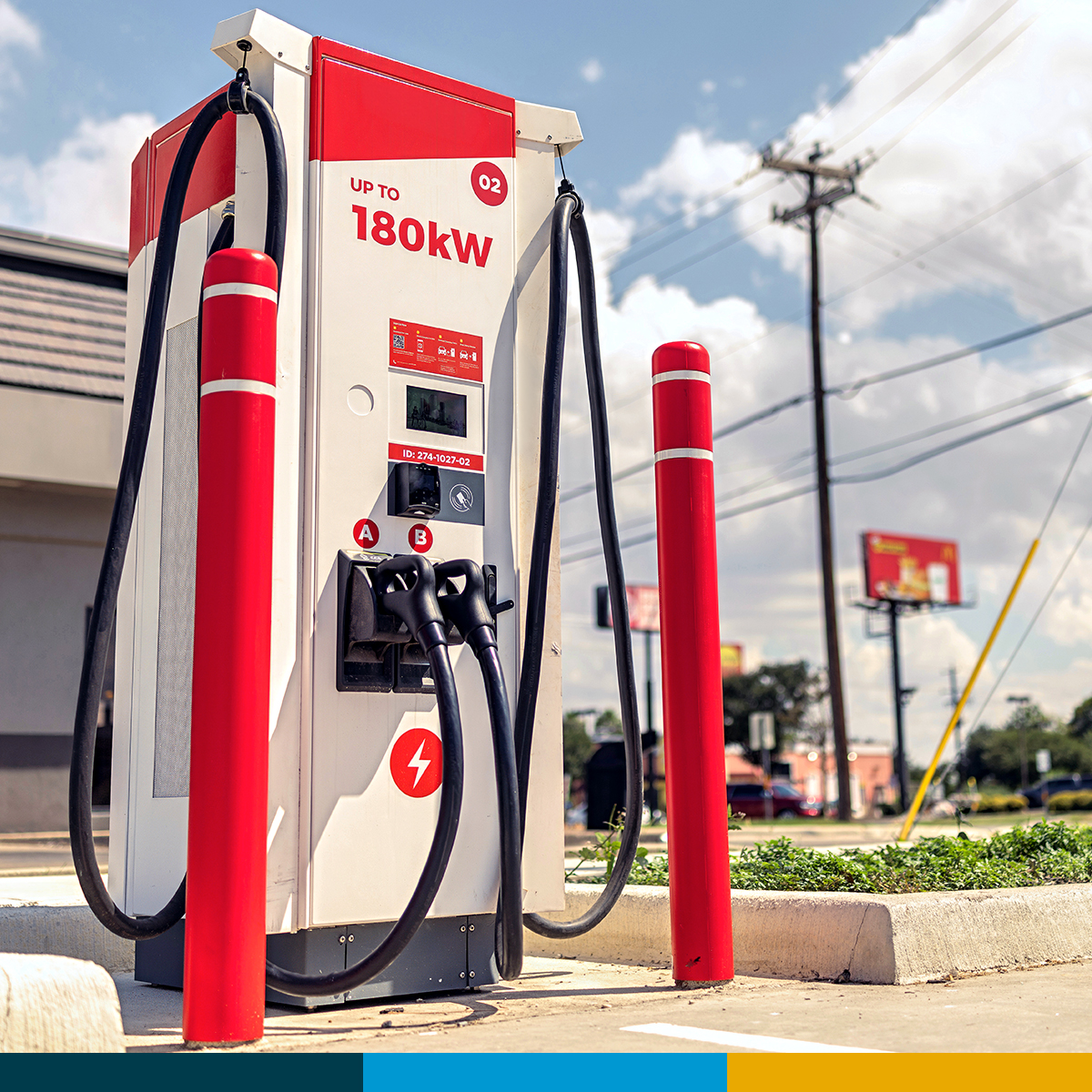
If you have EV chargers on your forecourt, you already know they are different from a fuel dispenser. They look different. They fail differently. They get used differently. And the maintenance habits that keep them working are not always the habits people bring with them from the fuel side.

This is a plain-language look at what site operators should be checking and documenting on EV chargers, and where the common gaps tend to show up.

1. What Actually Fails on a Charger

Most charger problems are not about the power electronics inside the cabinet. Most are about the parts that drivers and the weather actually touch:

  • Connector pins that get dirty or corroded
  • Cables that drag, kink, or scuff over time
  • Holsters and locks that wear out from repeated use
  • Screens and payment readers that get rain, sun, or dust over months
  • Filters and ventilation paths inside the cabinet that get blocked

A charger that quits working in the middle of a session is annoying. A charger that quits working three sessions in a row is a charger drivers will route around. The maintenance routine matters because the perception of reliability is built one session at a time.

2. The Five-Minute Walkaround

A weekly visual walk does most of the heavy lifting. What to look at:

  • Connector pins, looking for corrosion, debris, or visible burn marks
  • The cable along its full length, looking for cuts, kinks, or exposed shielding
  • The holster, looking for cracks or a lock that no longer holds firmly
  • The screen, looking for visibility issues or unresponsive areas
  • The cabinet exterior, looking for cracks, missing seals, or visible damage
  • The pad and bollards around the unit, looking for impact damage

If you find something, take a photo. The photo is what makes the next conversation with your service partner faster.

WHAT TO DO THIS WEEK:

Run one walkaround on each charger. Note the date and a photo of each. The first walk is the baseline. Every walk after that is comparison.

3. Cleaning the Things That Touch the Driver

Connectors and screens are touched by every driver who uses the charger. They are also outside, all day, in whatever the weather is doing. That combination produces problems if no one ever cleans them.

For connector pins, the standard recommendation is electrical contact cleaner with a soft brush. For the screen and external surfaces, a non-abrasive wipe is usually enough. Always confirm the manufacturer's cleaning instructions for your specific unit before applying anything.

Do not power-wash a charger. The water that ends up inside is not the water that comes back out the same way.

4. Seasonal Habits

Two times of year tend to expose maintenance gaps:

  • Summer: Heat and humidity together can corrode connector pins faster than people expect. Fans and vents on the cabinet have to be clear or the unit throttles itself
  • Winter: Cables get stiff, holsters get brittle, and any small crack in a cable jacket gets worse with every freeze

If your site is in a climate that swings, you want a check before the season changes, not after.

5. Payment, Network, and Software

A charger that powers up but cannot process a payment, cannot connect to the network, or has a stale firmware version is still a charger that is not earning its keep. These are not always things the site team can fix, but they are always things the site team can notice.

Watch for:

  • Repeated failed payments, especially with newer cards or wallets
  • "Connection lost" messages that come and go
  • Long bootup times, frozen splash screens, or repeated reboots
  • Software update prompts that never seem to complete

If you operate networked chargers, ask your provider what visibility you have into uptime. The reports they can run are more accurate than memory.

6. Documentation Is Different on EV

The documentation expectations on EV chargers are not exactly the same as on a fuel dispenser, but the principle is the same. After every service visit, the site should walk away with:

  • A clear note on what was found
  • What was done
  • Photos of the work where applicable
  • Parts used and parts that may need follow-up
  • The next-step recommendation, if any

If your team has been used to fuel-side records and the EV records do not look like that, ask. Operators who run mixed forecourts should not be reading two completely different formats for the same kind of work.

WHAT TO DO THIS WEEK:

Pull your last EV charger service record. Read it like a stranger. If you cannot tell what was found, what was done, and what is next, that is a documentation gap worth raising with your service partner.

The Bigger Picture

EV chargers on a fuel forecourt are still earning their place with drivers. Reliability is what builds the route. Documentation is what builds the routine. The sites that win the EV side will be the sites that bring the same operator habits they already know to a piece of equipment that looks different but rewards the same kind of attention.

If you would like help building a maintenance and documentation routine for your EV charging equipment, reach our team at our contact page.

Check local and state requirements for any inspection, signage, or accessibility rules that apply to EV charging in your area.

After the Storm: A Quick Walk-Through for Fuel Sites

3 min read

After the Storm: A Quick Walk-Through for Fuel Sites

The storm passes. The lights come back on. Customers start pulling in. And somewhere on your forecourt, a small thing is starting that will turn into...

Read the Full Article
Going Above B10: What to Check Before Increasing Your Biodiesel Blend

5 min read

Going Above B10: What to Check Before Increasing Your Biodiesel Blend

If you operate a high-flow truck diesel site, the math on raising your biodiesel blend usually starts with the price spread. When biodiesel and...

Read the Full Article
Is Your ATG Talking to You?

3 min read

Is Your ATG Talking to You?

Three Things to Check Before a Small Alarm Becomes a Big Problem. It happens at every fuel site eventually. The ATG starts throwing alarms. Maybe...

Read the Full Article