5 min read
Hurricane Season Starts Today. Here Is Your Pre-Storm Walk.
June 1 is the official start of Atlantic hurricane season. For operators along the Gulf, the Southeast, and even up the mid-Atlantic, the first named...
June gets the attention because the season officially starts. But ask anyone who has run fuel sites on the Gulf or the Southeast coast: the storms that make the year hard almost all arrive between mid-August and mid-October. That stretch starts now.
The pre-storm walk matters, and if you have not done one lately, start there. This post is about the other half, the part that decides whether a storm costs you a bad weekend or a bad quarter: the first 72 hours after the weather clears.
If the forecast turns while you are reading this, the pre-storm essentials in one list: top off tanks before the rush, test the generator transfer under load, photograph the whole site as it stands, secure loose equipment and cone off anything vulnerable, and confirm the contact tree so everyone knows who calls fuel, who calls service, and who makes the shut-down call.
Our full pre-storm walk guide covers each step. What follows assumes the storm has passed.
The pressure to get positions selling again is real. Ten minutes of walking first protects you from turning one problem into three.
The instinct after a storm is to start cleaning up. Resist it for twenty minutes.
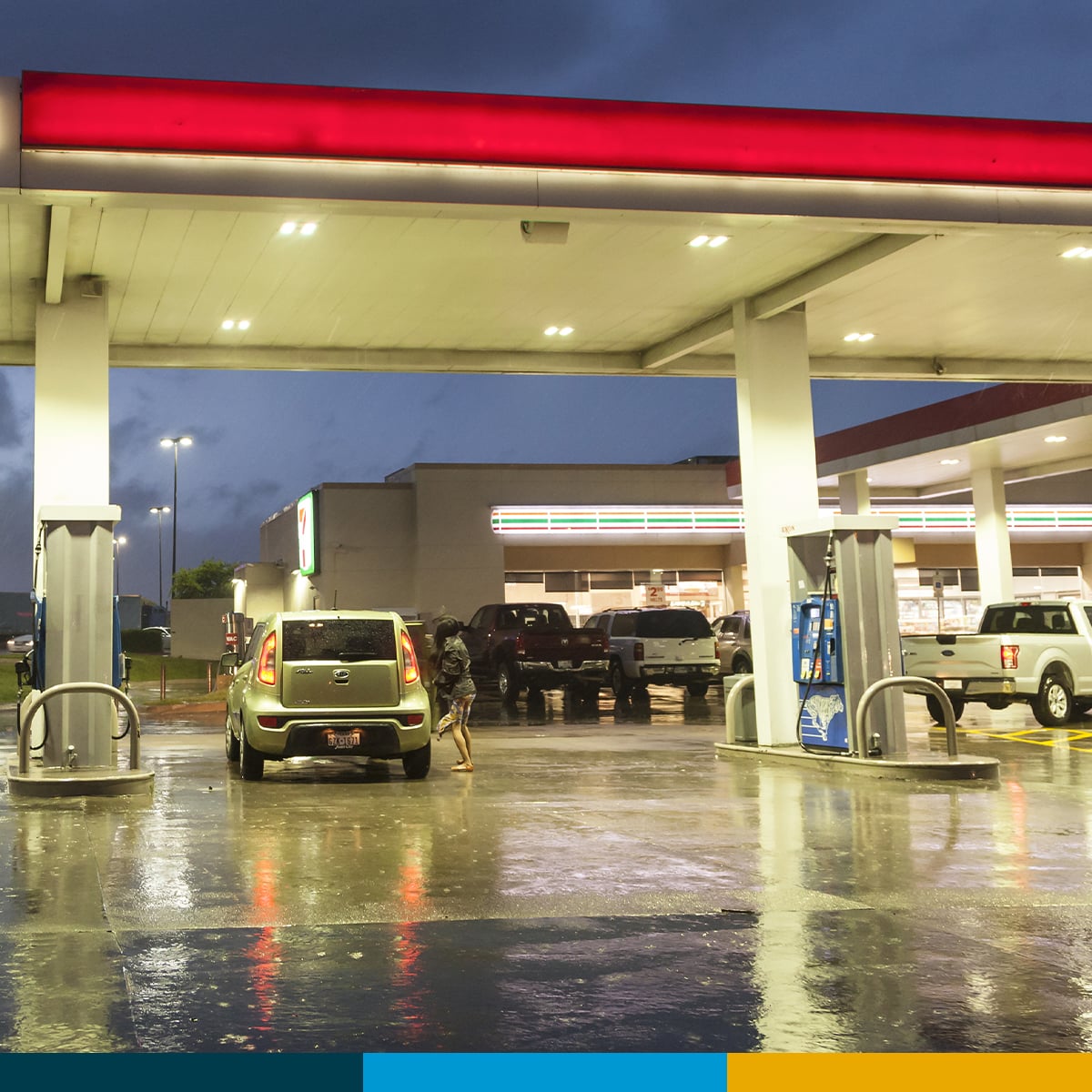
Walk the site with a phone and photograph the damage exactly as the storm left it: every island, the canopy from all four sides, the tank pads, standing water, downed signage, the console screens with whatever alarms they are showing. Date-stamped photos of untouched damage are what adjusters act on. Photos of a half-cleaned site invite questions.
Then do the same thing you did before the storm, so the pair tells the story: here is what it looked like, here is what the storm did.
WHAT TO DO THIS WEEK:
Take the "before" set now, while the weather is clear. Ten minutes, every island, canopy, tank pad, and console screen. Store it wherever your site file lives. You cannot take a before picture after.
Electronics rarely fail during the weather. Surges and brownouts stress boards, power supplies, and communication links, and the damage surfaces on a delay.
Through the first week after any storm that cut or browned out power, watch for:
If any of these show up, tell your service tech the site took a power hit and when. That one detail changes the diagnosis and can turn two visits into one.
Wind damage is visible. Water damage is patient.
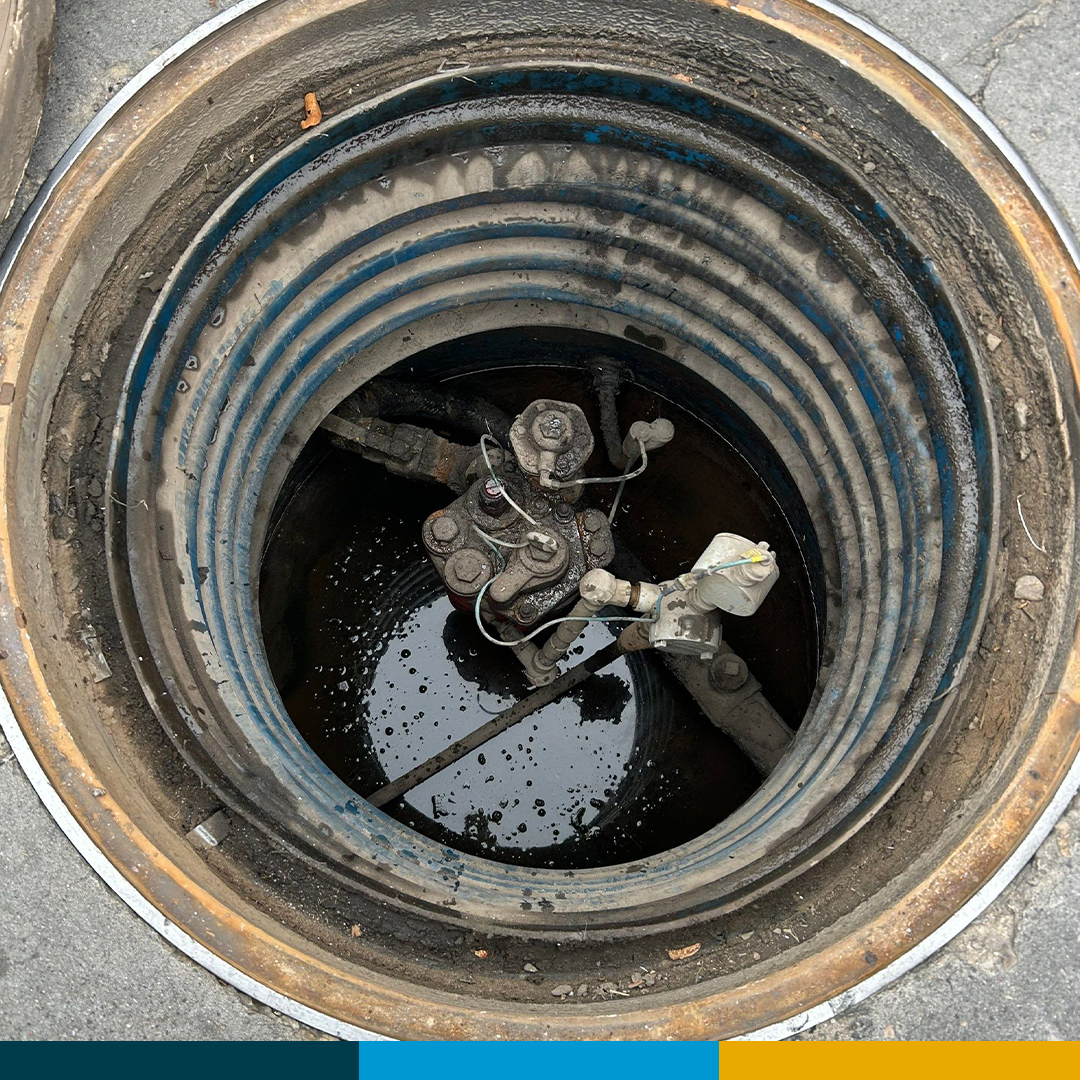
Water in containment sumps stresses seals and sensors, and water that reached wiring runs corrodes connections over weeks, not days. If your area flooded, or if sumps that are normally dry are holding water, that is a service call, not a shop-vac job. What is under the lid needs to be inspected, and in some cases tested, before the site is truly back to normal.
Storm-related water intrusion can also trigger inspection and reporting obligations depending on your state. Check local and state requirements, and keep the photos and service records from the recovery with your compliance files.
A storm costs every site something. The sites that lose the least are the ones that walk before they reopen, photograph before they clean, watch their equipment through the first week, and treat water as the serious problem it is.
If a storm hits your area this season, United Uptime Services runs post-storm inspections and gets damaged positions back online. Contact us before the season peaks to make sure your site is on our list, or the day after, when you need us there.
What should I check first at my gas station after a hurricane or major storm?
Stable power, then water: open sump lids, look for standing water at the islands and tank pads, and check the tank gauge console for alarms. Any fuel odor or sheen means stop and call before dispensing.
Why did my dispenser fail days after the storm instead of during it?
Surges and brownouts stress electronics without killing them outright. Boards, power supplies, and communication links often fail on a delay, which is why the first week after a storm deserves extra attention.
What photos do I need for a storm damage insurance claim?
Two sets: the site as it stood before the storm, and the damage exactly as the storm left it, before cleanup. Include every island, the canopy, tank pads, signage, and console screens showing alarms, all date-stamped.
Is water in my containment sump after a storm an emergency?
Treat it as a service call, not a cleanup task. Water stresses seals, sensors, and wiring, and depending on your state it can carry inspection or reporting obligations. Get it inspected and documented.
5 min read
June 1 is the official start of Atlantic hurricane season. For operators along the Gulf, the Southeast, and even up the mid-Atlantic, the first named...
4 min read
4 Things to Check Before a Routine Walk-Through Becomes a Regulatory Problem. You open a sump lid during a routine walk-through and there’s liquid...
5 min read
July rolls in. The inspector schedule starts filling up. Somewhere across your sites, a vapor recovery boot has gotten just a little too soft in the...