4 min read

The Generator Fuel Nobody Checks Until the Power Actually Goes Out

The Generator Fuel Nobody Checks Until the Power Actually Goes Out
Data Center Fuel Polishing: Backup Generator Fuel Quality | United Uptime Services
12:22

A data center's backup generators pass every monthly test. Thirty seconds of runtime, green light, everyone moves on. Then a real outage asks them to carry full load for hours, and a fuel filter clogs on sediment that has been settling in the tank since the last delivery.

KEY TAKEAWAYS

Stored diesel picks up water, sediment, and microbial growth over time. A quick start test will not show it. A long run under load will.

  • Fuel polishing cleans stored diesel without draining the tank.
  • Fuel checks belong on the same schedule as load-bank and battery testing.
  • Keep the record: test results, polishing dates, filter changes.

Someone tests the generator. Someone tests the transfer switch. The fuel itself often does not get a second look until something goes wrong. Here is how to close that gap.

1. What fuel polishing actually does

Diesel is not a static product once it is in the ground or in a bulk tank. Water gets in through condensation, vent caps, and delivery. Water at the bottom of a tank is where microbial growth starts, and that growth produces the sludge that clogs filters and fouls injectors. Left long enough, stored diesel also degrades chemically: it can darken, gum up, and lose the combustion properties it had on day one. None of this shows up in a thirty-second start test. It shows up when the engine is finally asked to work.

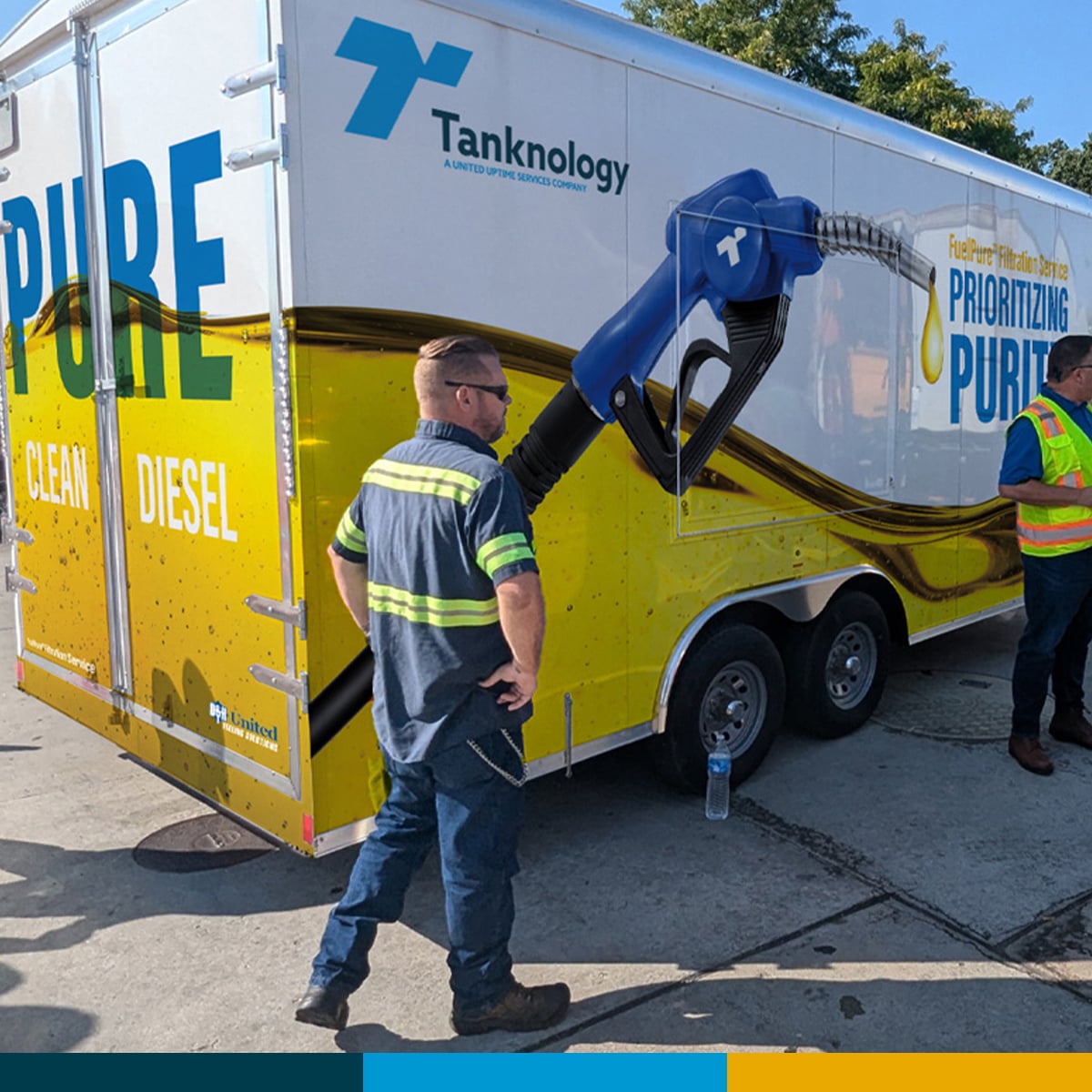
Fuel polishing is a filtration and reclamation process, not a fuel change. A technician pulls fuel from the tank, runs it through a filtration and water-separation system, and returns the cleaned fuel to the same tank. Done well, it removes free and suspended water, particulate and sediment, and the microbial contamination and byproducts that water intrusion allows to take hold. It is the difference between draining a tank and replacing fuel outright versus reclaiming what is already there and putting it back into usable condition.

For a facility with a large bulk diesel reserve, that distinction matters. Replacing fuel outright means the tank is out of service for a stretch, a fuel-disposal question, and a full re-delivery. Polishing keeps the reserve in place and restores it.

2. What a fuel quality check actually looks at

A fuel quality assessment before polishing typically checks for free water at the tank bottom, particulate contamination and sediment load, microbial growth (visible as sludge, a distinct odor, or a positive test result), and general fuel condition indicators like color and clarity. The results tell a facilities team whether polishing is needed now, whether it can wait for the next scheduled service, or whether something else is going on with the tank itself, such as a seal or vent issue letting water in faster than expected.

A generator that starts clean on a thirty-second test can still be standing on fuel that would not carry a real load for six hours.

3. Why this gets missed

Generator maintenance programs are usually built around the engine: load-bank testing, battery checks, coolant, belts, the transfer switch. Fuel quality often is not on that same checklist, or it is assumed to be someone else's responsibility, the fuel supplier's or the tank installer's. In practice, once fuel is delivered and the tank is sealed, nobody owns an ongoing check unless it is specifically scheduled. The tank can sit for a year or more between deliveries at a site that rarely calls on its generator, and that is exactly the window where water intrusion and microbial growth have time to work.

Check local and state requirements for standby fuel storage and testing in your area; requirements vary by jurisdiction and by tank size and type.

4. Building fuel quality into the maintenance rhythm

The operators who do not get caught by this treat fuel quality as part of the same recurring schedule as the rest of generator readiness: a periodic fuel sample and visual/lab check, a polishing pass on a set interval or triggered by test results, and a record of what was found and what was done about it. The interval that makes sense depends on tank size, fuel turnover, local climate and humidity, and how often the generator actually runs under load versus just idling through a monthly test. A technician who has serviced the site before is in the best position to recommend a realistic interval rather than a generic one.

5. What documentation should exist

After a fuel quality check or polishing visit, the record that should exist includes the date and result of the fuel sample, what was found (water, sediment, microbial presence), what service was performed, and the next recommended check date. That record is what a facilities manager wants ready when a compliance audit, an insurance review, or an internal readiness check asks whether the backup fuel supply has actually been verified, not just delivered and left alone.

Keeping the Backup Plan Actually Backup-Ready

A generator is only as reliable as the fuel behind it. Checking the engine without checking what is in the tank leaves a real gap in a readiness plan that looks complete on paper. If your site's standby fuel has not been sampled or polished on a known schedule, contact United Uptime Services to talk through what a fuel quality check would look like for your tank size and generator load.

Frequently Asked Questions

What is fuel polishing and how is it different from replacing the fuel?
Fuel polishing filters and reclaims the diesel already in a tank, removing water, sediment, and microbial contamination, and returns it to the tank. Replacing fuel means draining the tank and delivering new fuel. Polishing is typically faster and does not require disposing of the existing reserve.

How often should generator fuel be checked for quality?
There is no single interval that fits every site. Tank size, fuel turnover, local climate, and how often the generator runs under real load all factor in. A technician familiar with the site can recommend a realistic schedule; check local and state requirements for standby fuel storage in your area as well.

Can bad fuel actually stop a generator from running during an outage?
Yes. A generator can pass a short, low-load start test on fuel that would clog a filter or starve the engine during an extended run under real load. The failure often shows up hours into an outage, not at start-up.

Does fuel polishing fix a fuel quality problem for good, or does it need to be repeated?
Polishing restores the fuel that is currently in the tank. Water and contamination can re-enter over time through condensation, vents, and future deliveries, so fuel quality checks and polishing are typically part of an ongoing schedule, not a one-time fix.

Who should be responsible for generator fuel quality at a data center or critical facility?
It depends on the site's service arrangement, but it should be explicitly assigned to someone rather than assumed. Fuel quality belongs on the same maintenance calendar as the generator, transfer switch, and battery checks, with a named party responsible for the check and the record that follows it.

Why Fuel Dispensers Go Offline: 5 Patterns Techs See Every Week

Why Fuel Dispensers Go Offline: 5 Patterns Techs See Every Week

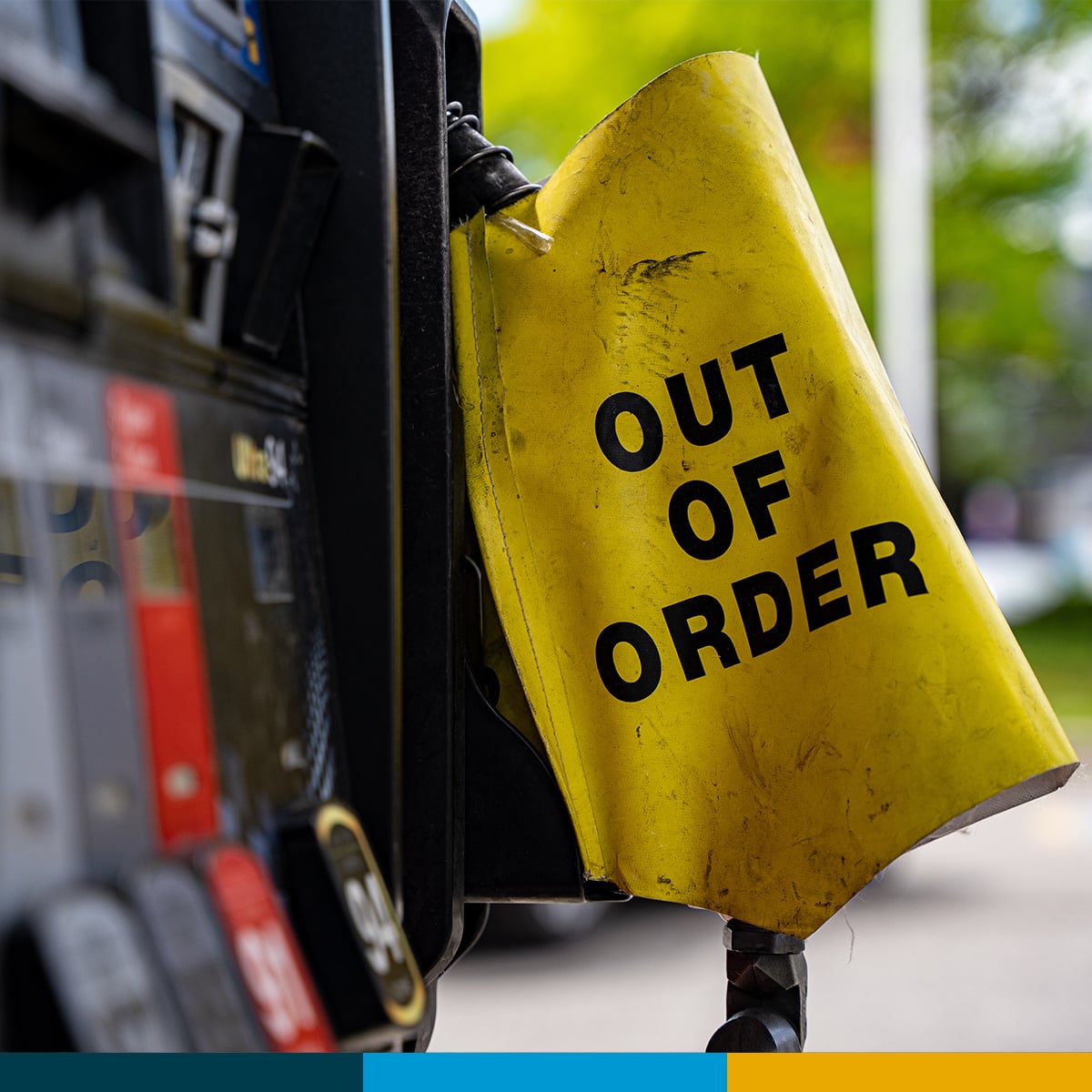
Most offline fuel dispensers trace back to five repeatable patterns. Learn what techs see, what to check this week, and when to call for service.
Read the Full Article
What Bad Fuel Looks Like Before Your Customers Notice

What Bad Fuel Looks Like Before Your Customers Notice

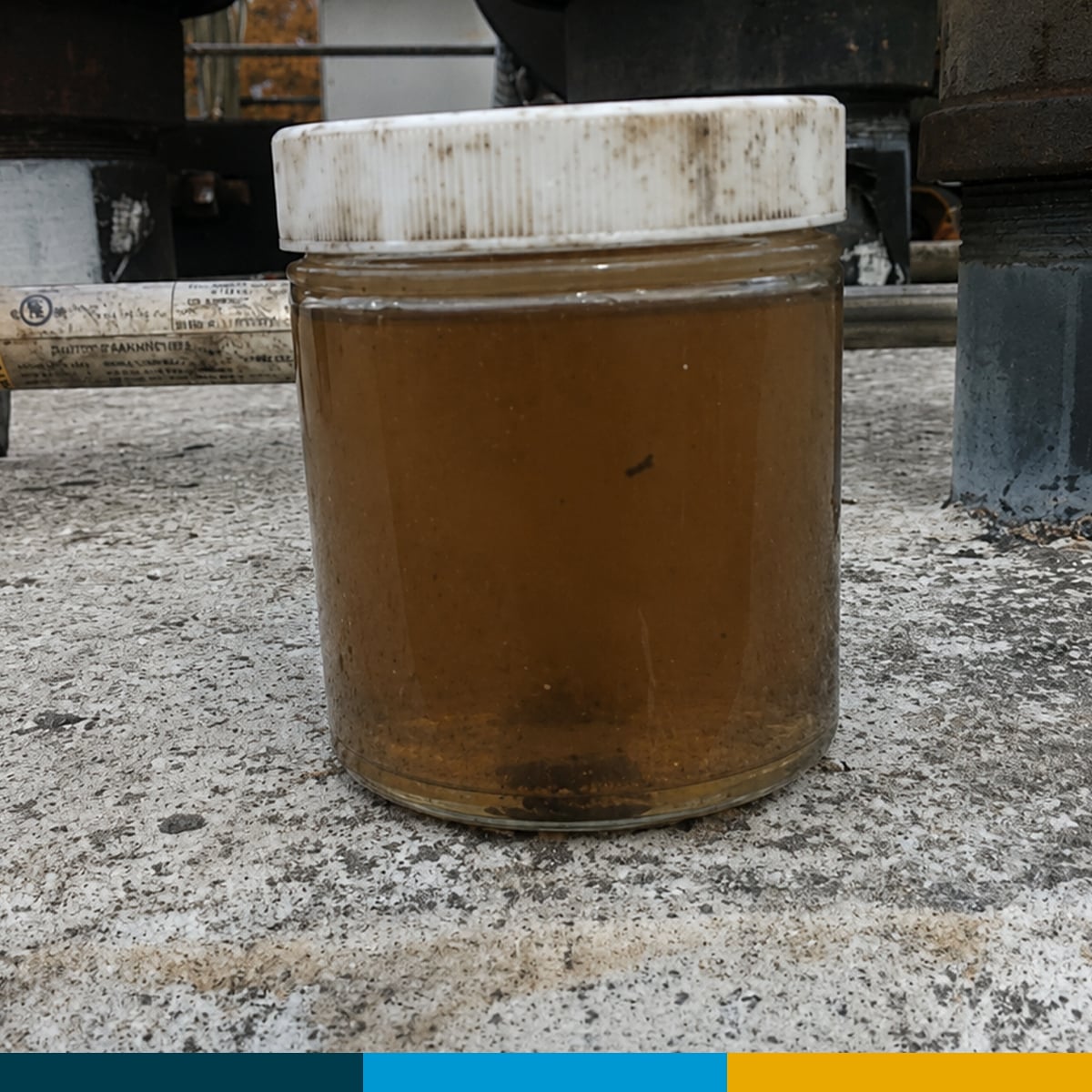
Early visible and operational signs of fuel quality problems. What to look for, what it likely means, and what to do next.

Read the Full Article
Why Your Vapor Recovery System Has Opinions in July.

Why Your Vapor Recovery System Has Opinions in July.

Stage I and Stage II vapor recovery systems behave differently in summer heat. What changes, what to watch, and what to test before the next A/L.

Read the Full Article